Eating for Longevity: Targeted Nutrition for Organ Health
Longevity isn't just about counting calories; it's about fueling the systems that keep the body running smoothly. Certain foods contain compounds that specifically benefit different organs, making a well-rounded diet essential for overall health. Here’s a guide on how to eat for your whole body, focusing on key organs and their nutritional needs.
Why This Matters
Understanding how food affects organ health can prolong life and improve quality of life. By incorporating specific foods into your diet, you can support your organs' functions, promoting better health and resilience over time.
Heart Health
The heart is a vital organ that requires specific nutrients to function optimally. Foods that support heart health often contain compounds that manage cholesterol levels and improve blood flow.
Key Foods for Heart Health
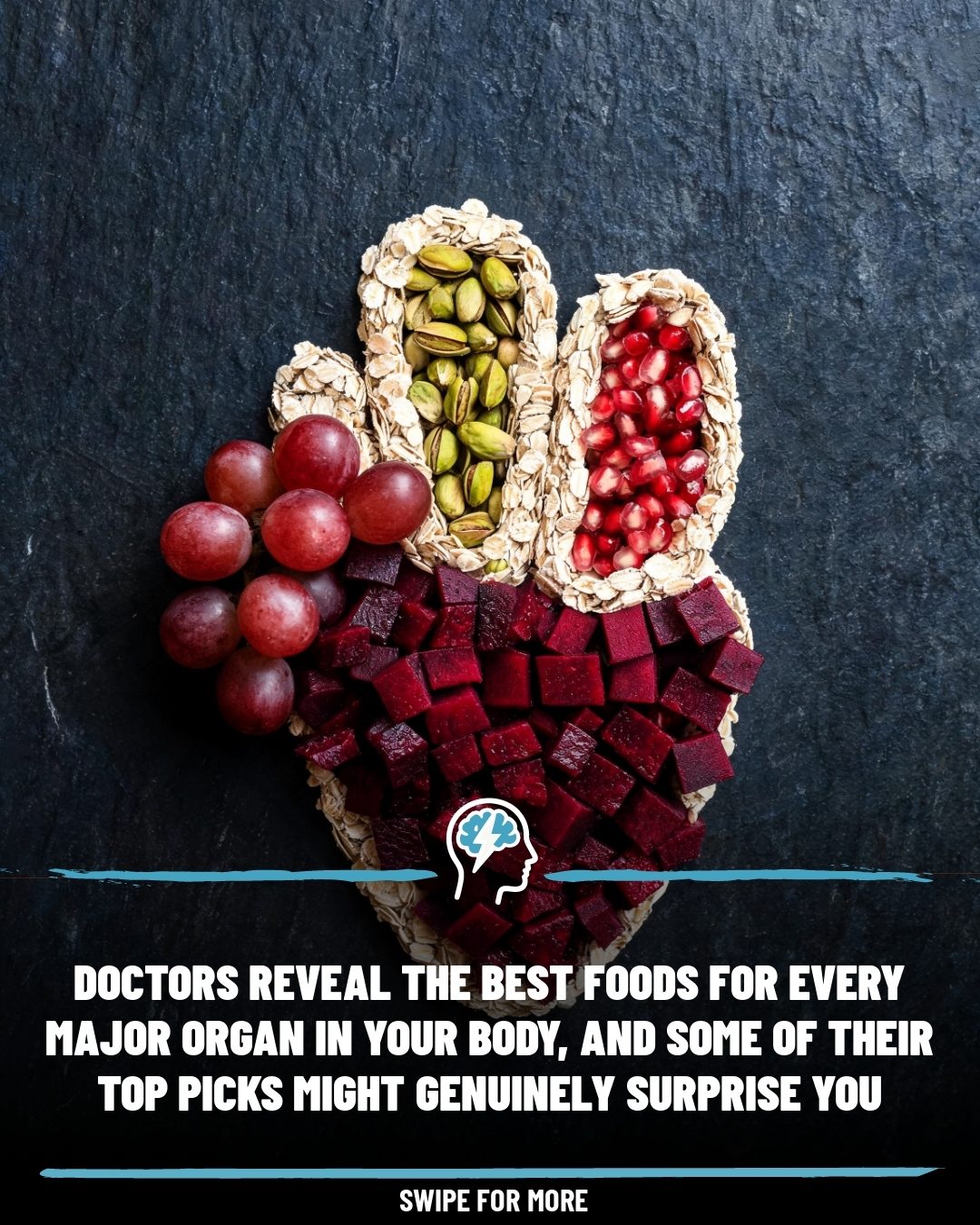
- Oats: Oats are rich in soluble fiber, which helps lower LDL (bad) cholesterol levels. They also contain avenanthramides, a unique group of antioxidants that can reduce inflammation and improve blood vessel health.
- Beets: Beets are high in nitrates, which the body converts into nitric oxide. Nitric oxide helps dilate blood vessels, improving blood flow and reducing blood pressure.
- Pomegranate, Grapes, and Nuts: These foods are rich in antioxidants and polyphenols, which protect the heart by reducing oxidative stress and inflammation. Pomegranate, in particular, is known for its ability to improve blood flow and reduce blood pressure.
- Pistachios: Pistachios are high in healthy fats, fiber, and antioxidants, which help maintain healthy cholesterol levels and support heart health.
Brain Health
The brain needs specific nutrients to function at its best, and certain foods can enhance brain function, improve focus, and protect against cognitive decline.
Key Foods for Brain Health
- Matcha and Dark Chocolate: Both are rich in antioxidants and caffeine, which can boost energy levels and enhance focus. Matcha, in particular, is high in L-theanine, an amino acid that promotes relaxation and mental clarity.
- Blueberries and Blackberries: These berries are packed with antioxidants, which help protect the brain against oxidative stress and inflammation, critical factors in cognitive decline.
- Walnuts: Walnuts are high in omega-3 fatty acids, which are essential for brain health. They also contain antioxidants that help reduce inflammation and protect brain cells.
Bone Health
Strong bones are essential for long-term health and mobility. A balanced diet rich in specific nutrients can support bone strength and density.
Key Foods for Bone Health
- Yogurt: Yogurt is an excellent source of calcium and protein, both essential for maintaining bone health. The probiotics in yogurt also support gut health, which can improve nutrient absorption.
- Kale and Sesame Seeds: These foods are rich in calcium and other minerals that support bone health. Kale is also high in vitamin K, which is important for bone formation and repair.
- Amaranth and Figs: Amaranth is a gluten-free grain rich in calcium, magnesium, and protein, all of which are essential for bone health. Figs are high in calcium and fiber, which support bone density and overall health.
Liver Health
The liver is the body's main filtering system, processing toxins and waste. Certain foods can support liver function and help clear out metabolic waste.
Key Foods for Liver Health
- Garlic and Radish: These foods contain compounds that support liver function and help reduce inflammation and oxidative stress.
- Turmeric, Lemon, and Cilantro: Turmeric is rich in curcumin, a powerful anti-inflammatory and antioxidant compound. Lemons are high in vitamin C, which aids in liver detoxification. Cilantro is known for its ability to help remove heavy metals from the body, reducing the burden on the liver.
Skin Health
A healthy diet is essential for maintaining skin resilience and a youthful appearance. Certain foods can nourish the skin from the inside out, promoting a healthy glow and protecting against environmental damage.
Key Foods for Skin Health
- Salmon and Almonds: These foods are rich in omega-3 fatty acids, which help maintain the skin's moisture barrier and reduce inflammation.
- Citrus and Goji Berries: Citrus fruits are high in vitamin C, which is essential for collagen production. Goji berries are rich in antioxidants and vitamins that support skin health and resilience.
- Tomatoes: Tomatoes are high in lycopene, an antioxidant that protects the skin against environmental damage and supports overall skin health.
Practical Tips
Incorporating these foods into your daily diet can support overall health and longevity. Here are some practical tips to get started:
- Plan Meals with Variety: Aim to include a variety of fruits, vegetables, nuts, and seeds in your meals to ensure you're getting a broad range of nutrients.
- Stay Hydrated: Drinking plenty of water helps flush out toxins and supports overall health.
- Consult a Professional: If you have specific dietary needs or health concerns, consider consulting a nutritionist or dietician for personalized advice.
Important Takeaways
- Nutrient-Rich Foods: Focus on nutrient-dense foods that target specific organs for optimal health.
- Variety is Key: A varied diet ensures you get a broad spectrum of nutrients essential for overall health.
- Consistency: Incorporating these foods into your daily meals can significantly impact your long-term health.
Conclusion
Eating for longevity involves more than just counting calories; it's about nourishing the body's essential systems. By incorporating specific foods into your diet, you can support organ health, enhance cognitive function, and maintain overall vitality. Embrace a varied diet and watch as your body thrives from the inside out. Your next grocery run is an opportunity to stock up on these powerful foods and invest in your health.
Questions readers ask
Which foods are best for promoting heart health and longevity?
Foods rich in omega-3 fatty acids, like fatty fish (salmon, mackerel) and walnuts, are excellent for heart health. Additionally, incorporating foods high in fiber, such as oats and leafy greens, can help reduce cholesterol levels and support heart function. Antioxidant-rich foods, like berries, also contribute to heart health by combating inflammation.
What are some brain-boosting foods that can enhance cognitive function and longevity?
Foods high in antioxidants and healthy fats are particularly beneficial for brain health. Include blueberries, which are packed with antioxidants, and avocados, which provide healthy fats. Additionally, foods rich in omega-3 fatty acids, like salmon, and nuts, such as almonds, support brain function and may help reduce the risk of cognitive decline.
How do almonds contribute to overall organ health and longevity?
Almonds are a powerhouse of nutrients that benefit multiple organs. They are rich in vitamin E, an antioxidant that supports skin health, and healthy fats that promote heart health. Additionally, the magnesium in almonds aids in maintaining normal blood pressure and supporting muscle and nerve function, contributing to overall health and longevity.
What are some nutritious foods that can improve skin health and support overall longevity?
For improved skin health, focus on foods rich in vitamins and antioxidants. Foods like carrots, which are high in vitamin A, and citrus fruits, which are packed with vitamin C, can enhance skin health. Additionally, foods high in omega-3 fatty acids, such as flaxseeds and fatty fish, help maintain skin hydration and elasticity, contributing to a youthful appearance and overall health.
Can you suggest a longevity diet that supports both brain and heart health?
A longevity diet that supports both brain and heart health should include a variety of nutrient-dense foods. Incorporate foods rich in omega-3 fatty acids, like salmon and walnuts, for both brain and heart health. Additionally, include plenty of leafy greens, berries, and whole grains to provide essential vitamins, minerals, and antioxidants that support overall organ function and longevity.
What are some superfoods that can enhance organ health and promote longevity?
Superfoods like blueberries, kale, and quinoa are packed with nutrients that support various organs. Blueberries are high in antioxidants, which combat inflammation and oxidative stress. Kale provides essential vitamins and minerals, and quinoa offers complete proteins and fiber, contributing to overall organ health and longevity.
How can I incorporate more organ-healthy foods into my daily meals?
To incorporate more organ-healthy foods into your daily meals, focus on adding a variety of colorful fruits and vegetables, lean proteins, and whole grains. Start your day with a smoothie packed with berries and spinach, have a salad with mixed greens and avocado for lunch, and grill some salmon with a side of quinoa for dinner. Snack on nuts and seeds throughout the day to boost nutrient intake and support overall organ health.
Recent articles
Fresh deep dives from the latest Reels we unpacked.




Comments
Be the first to comment.