Screen Protectors: Application Techniques and Benefits
Screen protectors have become an essential accessory for anyone looking to safeguard their devices. From smartphones to tablets, these thin layers of protection can significantly extend the lifespan of your device's screen. Let's delve into the various types of screen protectors, application techniques, and the benefits they offer.
Context / Why This Matters
In today's digital age, our devices are more than just tools; they are extensions of ourselves. Whether for work, entertainment, or communication, we rely on our screens constantly. This constant use exposes our devices to various risks, including scratches, cracks, and other forms of damage. A well-applied screen protector can mitigate these risks, ensuring your device remains functional and visually appealing for longer.
Main Discussion
Types of Screen Protectors
Screen protectors come in various materials, each offering different levels of protection:
-
Flexible Plastic Film: This is the most basic and cost-effective option. It provides a thin layer of protection against minor scratches and dust. While not as durable as other options, it is easy to apply and replace.
-
Tempered Glass: Rated up to 9H hardness, this type offers superior protection against scratches and impacts. It is more durable and can withstand drops and falls better than plastic film. Tempered glass protectors are slightly thicker, which can affect touch sensitivity, but many modern options are designed to minimize this issue.
-
Hydrogel TPU: This material combines the flexibility of plastic film with the durability of tempered glass. It offers good scratch and impact protection while maintaining touch sensitivity. Hydrogel TPU protectors are also known for their resistance to fingerprints and smudges.
Application Techniques
Applying a screen protector correctly is crucial for its effectiveness. Here are some common techniques used by professionals, as seen in retail services across China:
-
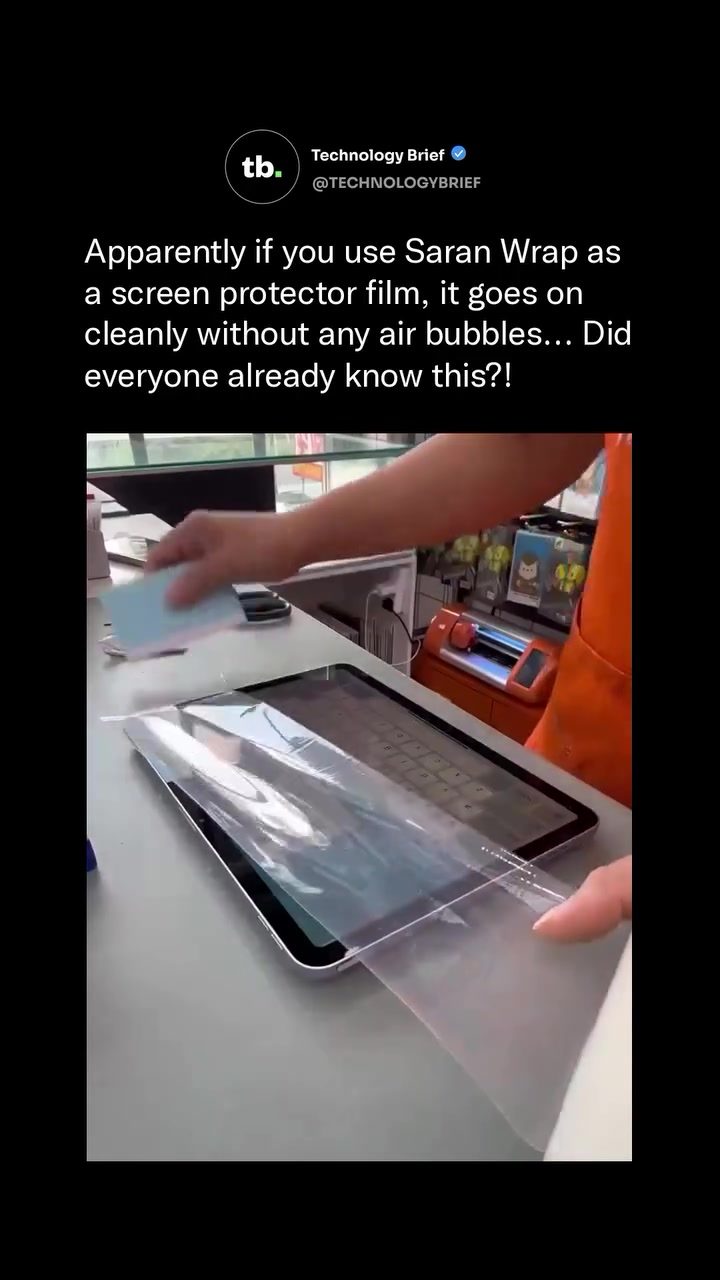
Bubble-Free Application: The goal is to achieve a perfectly smooth, bubble-free seal. Trained technicians use precision tools to smooth out the protector, ensuring no air pockets remain trapped underneath. This is particularly important for tempered glass protectors, as any bubbles can interfere with touch sensitivity and the overall aesthetics.
-
Precision Tools: Professionals often use specialized tools, such as squeegees and applicators, to apply the protector evenly. These tools help distribute the adhesive and eliminate any air bubbles. For example, companies like MCOX in China are known for their in-store application services, where professionals use these tools to ensure a flawless finish.
-
Dust-Free Environment: Cleanliness is key when applying a screen protector. Professionals work in a dust-free environment to prevent any particles from getting trapped under the protector. This step is often overlooked by do-it-yourselfers, leading to a less effective seal.
The Saran Wrap Trick
A interesting life hack involves using Saran Wrap as a makeshift screen protector. This method suggests that Saran Wrap can be applied to a smartphone screen without any air bubbles, providing a temporary protective layer. While this is a quick and inexpensive solution, it is not a long-term substitute for a proper screen protector. Saran Wrap lacks the durability and scratch resistance of dedicated screen protectors, making it more of a temporary fix than a reliable solution.
Practical Tips
Applying a screen protector at home can be challenging, but with the right techniques, it is possible to achieve a professional finish:
-
Clean the Screen: Before applying the protector, ensure the screen is free of dust, fingerprints, and any residue. Use a microfiber cloth and isopropyl alcohol for a thorough clean.
-
Align Properly: Take your time to align the protector correctly. Many protectors come with a frame or guide to help with alignment. Ensure the protector is centered and straight before applying any pressure.
-
Use a Squeegee: A plastic squeegee can help smooth out the protector, eliminating any air bubbles. Start from the center and work your way out to the edges, applying even pressure.
-
Check for Bubbles: Once the protector is applied, check for any remaining air bubbles. If necessary, gently lift the protector and reapply, ensuring no bubbles are trapped.
Important Takeaways
-
Materials Matter: Choose a screen protector based on your needs. For basic protection, a flexible plastic film is sufficient. For durability and impact resistance, tempered glass or hydrogel TPU is recommended.
-
Professional Application: If possible, opt for professional application services. These services ensure a bubble-free, dust-free seal, which is crucial for the protector's effectiveness.
-
Cleanliness is Key: Always clean the screen thoroughly before applying a protector. Any dust or particles can interfere with the adhesive and compromise the seal.
-
DIY Techniques: With the right tools and techniques, you can achieve a professional finish at home. Take your time and follow the steps carefully to ensure a smooth, bubble-free application.
Conclusion
Screen protectors are a vital accessory for anyone looking to extend the life of their devices. Whether you choose a flexible plastic film, tempered glass, or hydrogel TPU, ensuring a proper application is crucial. By following the tips and techniques outlined, you can achieve a professional finish, protecting your screen from scratches, cracks, and other damages.
Questions readers ask
What makes saran wrap a good alternative for a screen protector?
Saran wrap is a cost-effective and readily available option. It is easy to apply, provides adequate protection against scratches, and can be a quick fix for minor damage.
Can I use saran wrap for a permanent screen protector?
No. Saran wrap is ideal for temporary use. It may not adhere as well as commercial screen protectors over time. This can cause it to peel or lift, allowing for dust or debris to get underneath.
How do I apply saran wrap to my screen for bubble-free results?
First, clean your screen thoroughly. Apply a layer of saran wrap with the shiny side down. Use a card or squeegee for smooth application, ensuring there are no bubbles. Trim the edges to fit the screen perfectly.
What are the benefits of using a DIY screen protector?
DIY screen protectors, such as those made from saran wrap, are inexpensive. They are also helpful in a pinch, providing a temporary fix. However, DIY may not offer the same level of durability or longevity as commercial products.
Does a saran wrap screen protector offer the same level of protection as a traditional screen protector?
It offers a similar level of protection against minor scratches. However, it may not be as effective against impacts or heavy-duty use. Saran wrap is best for short-term use and light protection needs.
Can I reuse saran wrap as a screen protector after removing it?
It is not recommended to reuse saran wrap. After removal, the adhesive properties may be compromised. This can cause bubbles or improper adhesion, reducing its effectiveness as a screen protector.
What should I do if I decide to switch to a commercial screen protector after using saran wrap?
Remove the saran wrap carefully to avoid leaving any residue. Clean your screen thoroughly before applying the new screen protector. This ensures a smooth, bubble-free application and optimal performance of the new protector.
Related deep dives
Similar reads based on topic and creator.




Recent articles
Fresh deep dives from the latest Reels we unpacked.




Comments
Be the first to comment.