Earthquake Risks and the San Andreas Fault
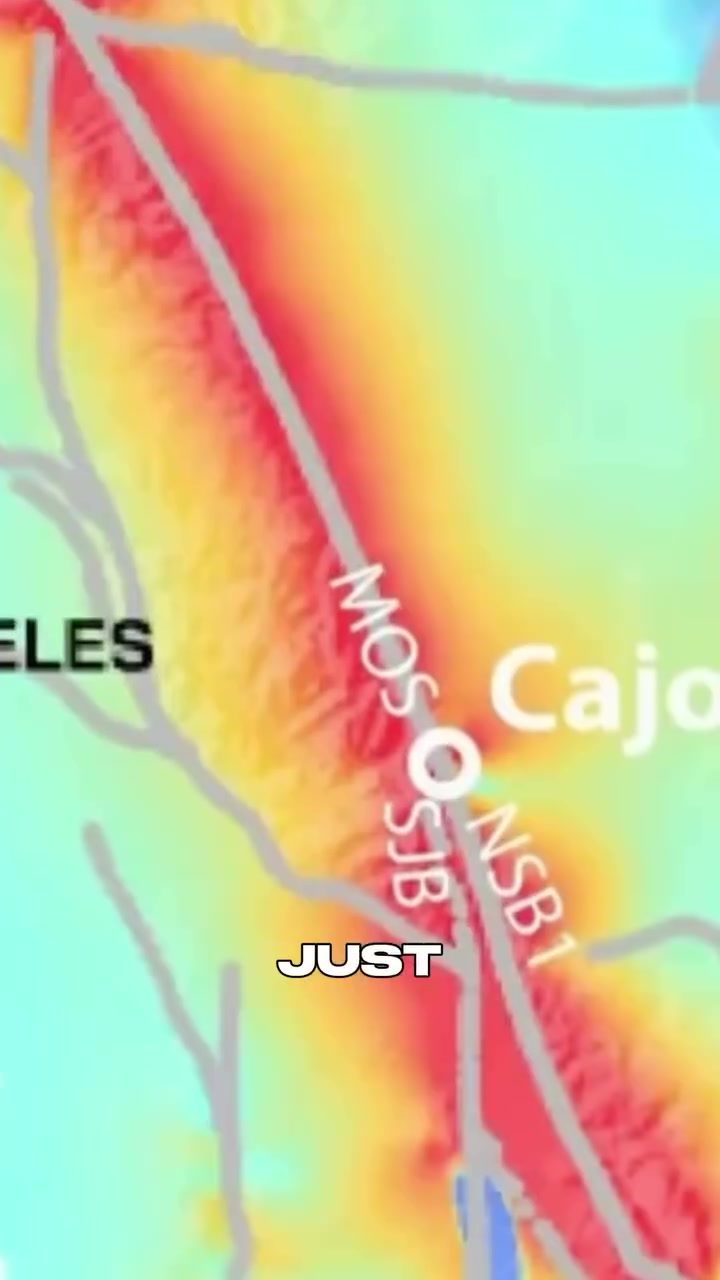
The San Andreas Fault, stretching approximately 810 miles, is currently under immense pressure, the highest it has experienced in over a thousand years. This pressure aligns with the neighboring San Jacinto Fault near Los Angeles, raising concerns about a potential major earthquake that could impact millions. While the timing of such an event remains unpredictable, understanding the fault lines' current stress levels and historical seismic activity is crucial for preparedness and safety.
Context: Why this matters
The San Andreas Fault is one of the most studied and well-known fault lines in the world, primarily due to its proximity to heavily populated areas in California. The fault's activity and potential for significant earthquakes have long been of interest to scientists and residents alike. Understanding the current stress levels on the San Andreas and nearby fault lines, like the San Jacinto, is essential for assessing the risk of future earthquakes and their potential impact on the region.
Current Stress Levels and Earthquake Gates
Recent findings indicate that the San Andreas Fault is currently under more stress than it has been in the past thousand years. This increased pressure is particularly concerning because it aligns with the San Jacinto Fault, creating what scientists refer to as an “earthquake gate.” This gate is a spot where the San Andreas and San Jacinto Faults meet, and a rupture in one fault line could potentially jump to the other, causing a more extensive and devastating earthquake.
The stress on the San Andreas Fault is about a quarter higher than its peak historical levels. This heightened stress, combined with the alignment of the two fault lines, raises the possibility of a significant earthquake that could affect a vast area, including densely populated regions around Los Angeles.
Historical Earthquakes and the 1857 Fort Tejon Event
To understand the potential impact of a future earthquake, it's helpful to look at historical events. One of the most notable earthquakes along the San Andreas Fault was the 1857 Fort Tejon earthquake, which measured 7.9 on the magnitude scale. This earthquake caused a 225-mile-long rupture, highlighting the fault's potential for significant seismic activity. Fortunately, this event occurred in a relatively sparsely populated area, but a similar rupture today could have catastrophic consequences.
Another major earthquake, the 1906 San Francisco earthquake, also serves as a reminder of the San Andreas Fault's destructive power. This event, which measured 7.9 on the magnitude scale, resulted in a 300-mile-long rupture and devastated the city of San Francisco. While the 1857 Fort Tejon earthquake stopped at the earthquake gate, the potential for a rupture to jump between the San Andreas and San Jacinto Faults today could lead to an even more devastating event.
The Impact of Population Growth
One of the most significant differences between historical earthquakes and a potential future event is the population density in the affected areas. In 1857, the Fort Tejon earthquake occurred in a relatively unpopulated region. However, today, the areas near the San Andreas and San Jacinto Faults are home to millions of people, making the potential impact of a major earthquake far more severe.
The increased population density means that a significant earthquake could result in massive losses, both in terms of human life and infrastructure. The potential for a rupture to jump between the San Andreas and San Jacinto Faults adds an additional layer of complexity, as it could lead to a more extensive and complex earthquake sequence, impacting a larger geographic area.
Current Research and Predictions
Scientists have built models of the last thousand years of earthquakes on the San Andreas Fault, providing valuable insights into its behavior and potential future activity. These models help researchers understand the fault's stress levels and the likelihood of a significant earthquake. However, despite these advances, the precise timing of earthquakes remains unpredictable.
Researchers in Hawaii have noted that two of California's fault lines have reached or exceeded their highest stress levels in the past thousand years. This finding, combined with the alignment of the San Andreas and San Jacinto Faults, suggests that the risk of a major earthquake is higher than ever. The potential for a rupture to jump between the two fault lines adds to the concern, as it could result in a more extensive and devastating earthquake.
Practical Tips for Preparedness
While the exact timing of an earthquake cannot be predicted, there are several steps individuals and communities can take to prepare for such an event. These include:
1. Develop an Emergency Plan
Create a family emergency plan that outlines what to do in the event of an earthquake. This plan should include evacuation routes, communication strategies, and meeting points.
2. Build an Emergency Kit
Assemble an emergency kit that includes essential supplies such as water, non-perishable food, a first aid kit, flashlights, batteries, and important documents. This kit should be easily accessible and regularly updated.
3. Secure Your Home
Secure heavy furniture and appliances to prevent them from falling during an earthquake. Install latches on cabinets and secure items that could fall and cause injury.
4. Stay Informed
Stay informed about the latest research and recommendations from seismologists and other experts. Knowing the current stress levels on fault lines and the potential for earthquakes can help you stay prepared.
5. Participate in Preparedness Programs
Join local preparedness programs and workshops offered by emergency management agencies. These programs can provide valuable information and resources for earthquake preparedness.
Important Takeaways
- The San Andreas Fault is under the highest stress it has experienced in over a thousand years, aligning with the San Jacinto Fault near Los Angeles.
- The potential for a rupture to jump between the two fault lines, creating an “earthquake gate,” increases the risk of a major earthquake impacting millions of people.
- Historical earthquakes, such as the 1857 Fort Tejon and 1906 San Francisco events, provide valuable insights into the fault's potential for significant seismic activity.
- The increased population density in the affected areas means that a major earthquake could have catastrophic consequences.
- Scientists continue to study the fault lines' behavior, but the precise timing of earthquakes remains unpredictable.
Conclusion
The current stress levels on the San Andreas and San Jacinto Faults highlight the need for heightened preparedness and awareness. While the timing of a significant earthquake cannot be predicted, understanding the risks and taking proactive measures can help mitigate the potential impact. By developing emergency plans, building emergency kits, and staying informed, individuals and communities can better prepare for the possibility of a major earthquake.
Questions readers ask
What makes the current stress levels on the San Andreas Fault so concerning?
The current stress levels on the San Andreas Fault are the highest they've been in over a thousand years, indicating a significant build-up of pressure. This increased stress, combined with the alignment of the neighboring San Jacinto Fault, raises concerns about the potential for a major earthquake that could impact Los Angeles and surrounding areas.
How does the alignment of the San Jacinto Fault increase earthquake risk in LA?
The San Jacinto Fault runs parallel to the San Andreas Fault and is also under considerable stress. Its alignment with the San Andreas Fault means that a rupture on one fault could trigger a rupture on the other, amplifying the impact of an earthquake in Los Angeles.
What historical earthquake on the San Andreas Fault is often referenced in discussions about LA's risk?
The 1857 Fort Tejon earthquake is often referenced. This magnitude 7.9 earthquake ruptured a significant portion of the San Andreas Fault and serves as a historical example of the fault's potential for large-scale events.
What should residents of Los Angeles know about earthquake preparedness?
Residents should be aware of the potential risks and take steps to prepare, such as securing heavy furniture, having an emergency supply kit, and knowing the safe spots in their homes. Staying informed about the latest seismic research and local emergency guidelines is also crucial.
What is the 'danger zone' referred to in relation to the San Andreas Fault?
The 'danger zone' refers to the heavily populated areas near the San Andreas Fault, particularly in Southern California, including Los Angeles. These areas are at a higher risk due to their proximity to the fault and the potential for significant earthquakes.
What is the current earthquake probability in LA?
The exact probability of an earthquake in LA is difficult to predict. However, studies indicate a high likelihood of a significant earthquake occurring in the region within the next few decades. This underscores the importance of preparedness and awareness.
What are some ways to stay informed about earthquake fault lines and risks in California?
Residents can stay informed by following updates from the USGS (United States Geological Survey), attending local community meetings on earthquake preparedness, and utilizing resources from the California Governor's Office of Emergency Services. These sources provide timely information about fault lines, seismic activity, and safety measures.
Related deep dives
Similar reads based on topic and creator.

Recent articles
Fresh deep dives from the latest Reels we unpacked.




Comments
Be the first to comment.