Turning Homes into AI Data Centers: The Future of Computing
AI data centers are increasingly becoming a part of residential landscapes, thanks to innovative programs that transform ordinary homes into powerful computing hubs. This shift is driven by the need to meet the growing demand for AI computing and the potential for homeowners to earn significant compensation.
##Why This Matters
The integration of AI data centers into residential spaces represents a pivotal shift in computing infrastructure. As AI technologies continue to advance, the need for powerful computational resources is skyrocketing. Traditional data centers, while effective, are costly to build and maintain. By leveraging unused electrical capacity in residential homes, this new approach offers a more distributed and cost-effective solution. This transformation has significant implications for both the tech industry and homeowners.
The Evolution of AI Data Centers
From Industrial Facilities to Residential Homes
Traditional data centers have long been synonymous with large, industrial facilities. These centers require vast amounts of power, cooling, and space. However, the rise of AI has necessitated a rethinking of this model. With increased demand for AI workloads, the need for more distributed and decentralized computing resources has become apparent. This is where the concept of residential AI data centers comes into play.
Leveraging Unused Electrical Capacity
One of the key advantages of residential AI data centers is their ability to utilize unused electrical capacity. Homes often have spare power that goes unused, particularly during off-peak hours. By tapping into this unused energy, these compact data center units can run AI workloads efficiently. This not only helps in distributing the computational load but also provides an additional source of income for homeowners.
The Design and Integration
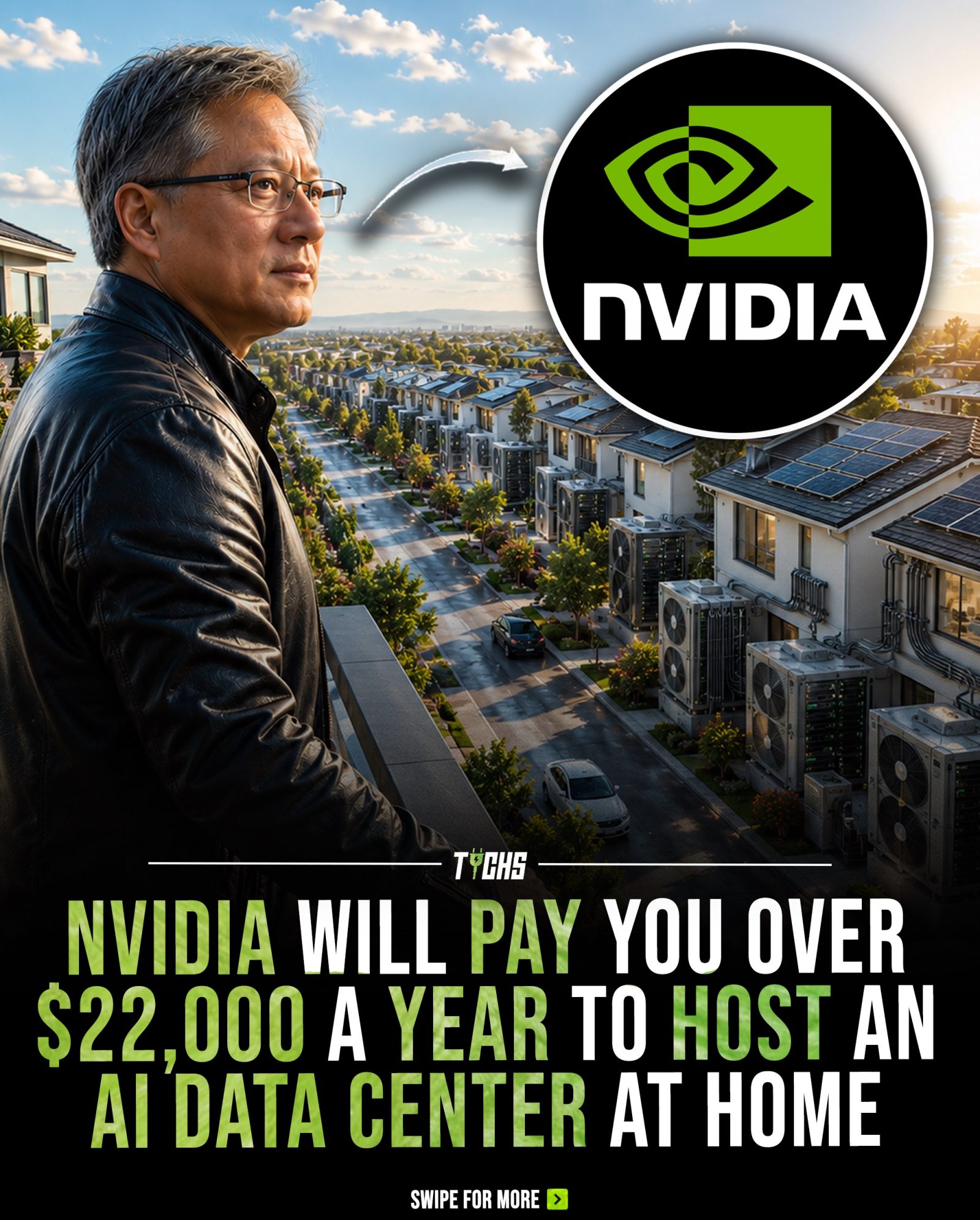
NVIDIA's AI data center units are designed to blend seamlessly with residential properties. These units resemble traditional air conditioning units, making them unobtrusive and easy to integrate into existing home infrastructure. The design is not just about aesthetics; it also ensures that the units can operate efficiently without disrupting the home's energy consumption.
Financial Incentives for Homeowners
One of the most compelling aspects of this initiative is the financial incentive for homeowners. By hosting an AI data center, homeowners can earn over $22,000 annually. This not only makes the process lucrative but also encourages more people to participate. The program essentially turns unused space and energy into a source of income, creating a win-win situation for both the tech industry and homeowners.
Practical Tips for Homeowners
Assessment and Preparation
Before opting to host an AI data center, homeowners should assess their property's suitability. Factors such as available space, electrical capacity, and local regulations need to be considered. It's also important to ensure that the installation process is handled by professionals to avoid any potential issues.
Monitoring and Maintenance
Once installed, the AI data center units require minimal maintenance. However, homeowners should keep an eye on the system's performance and ensure that it is operating efficiently. Regular check-ups and monitoring can help in identifying any issues early on.
Compliance and Regulations
Homeowners should also be aware of local regulations and compliance requirements. Different regions may have specific rules regarding the installation and operation of data centers. It's essential to stay informed and comply with all relevant guidelines to avoid any legal complications.
Important Takeaways
The Future of Computing
The shift towards residential AI data centers signals a significant change in the computing landscape. As more homes become part of the AI economy, the traditional data center model is set to evolve. This distributed approach not only addresses the growing demand for AI computing but also offers a more sustainable and cost-effective solution.
Financial Opportunities
For homeowners, this initiative presents a unique financial opportunity. By leveraging unused space and energy, they can earn a substantial income. This not only benefits the homeowners but also contributes to the broader AI ecosystem.
Environmental Benefits
The use of unused electrical capacity in residential settings can also have environmental benefits. By reducing the need for new, large-scale data centers, this approach helps in conserving resources and lowering the carbon footprint of the tech industry.
Conclusion
The integration of AI data centers into residential properties marks a significant shift in the computing industry. By leveraging unused electrical capacity and offering financial incentives to homeowners, this approach not only meets the growing demand for AI computing but also creates new opportunities for homeowners. As the AI economy continues to expand, more homes are likely to become part of this distributed computing network, shaping the future of technology.
Questions readers ask
How does hosting NVIDIA AI data centers at home work?
Hosting NVIDIA AI data centers at home involves using your residence's unused electrical capacity and space to run computational tasks for AI. You'll need to have the right setup, including proper hardware and a reliable internet connection, to support these operations.
What are the benefits of turning my home into an AI data center?
By turning your home into an AI data center, you can earn over $22,000 annually. Additionally, you contribute to the distribution of AI workloads, helping to manage the growing demand for AI computing resources in a more decentralized and efficient manner.
What kind of hardware do I need to host AI data centers at home?
To host AI data centers at home, you'll typically need high-performance hardware like NVIDIA GPUs, sufficient storage, and a robust networking setup. The specific requirements may vary, so it's best to consult with NVIDIA or a certified provider for detailed hardware specifications.
How does this approach help with AI workload management?
This approach distributes AI workloads across multiple residential locations, reducing the strain on traditional data centers. By utilizing unused electrical capacity in homes, it creates a more efficient and scalable solution for managing the increasing demands of AI tasks.
Is there a significant demand for home AI computing?
Yes, the demand for AI computing is rapidly increasing as AI technologies advance. Traditional data centers struggle to keep up with this demand, making the integration of residential AI data centers a practical solution to meet these computational needs.
What are the requirements for homeowners to earn with NVIDIA?
To earn with NVIDIA by hosting AI data centers, homeowners need to have the necessary hardware, a stable internet connection, and comply with NVIDIA's guidelines for setting up and maintaining the data center. The specific earnings can vary based on the amount of computational power provided and the duration of the hosting service.
Related deep dives
Similar reads based on topic and creator.




Recent articles
Fresh deep dives from the latest Reels we unpacked.




Comments
Be the first to comment.