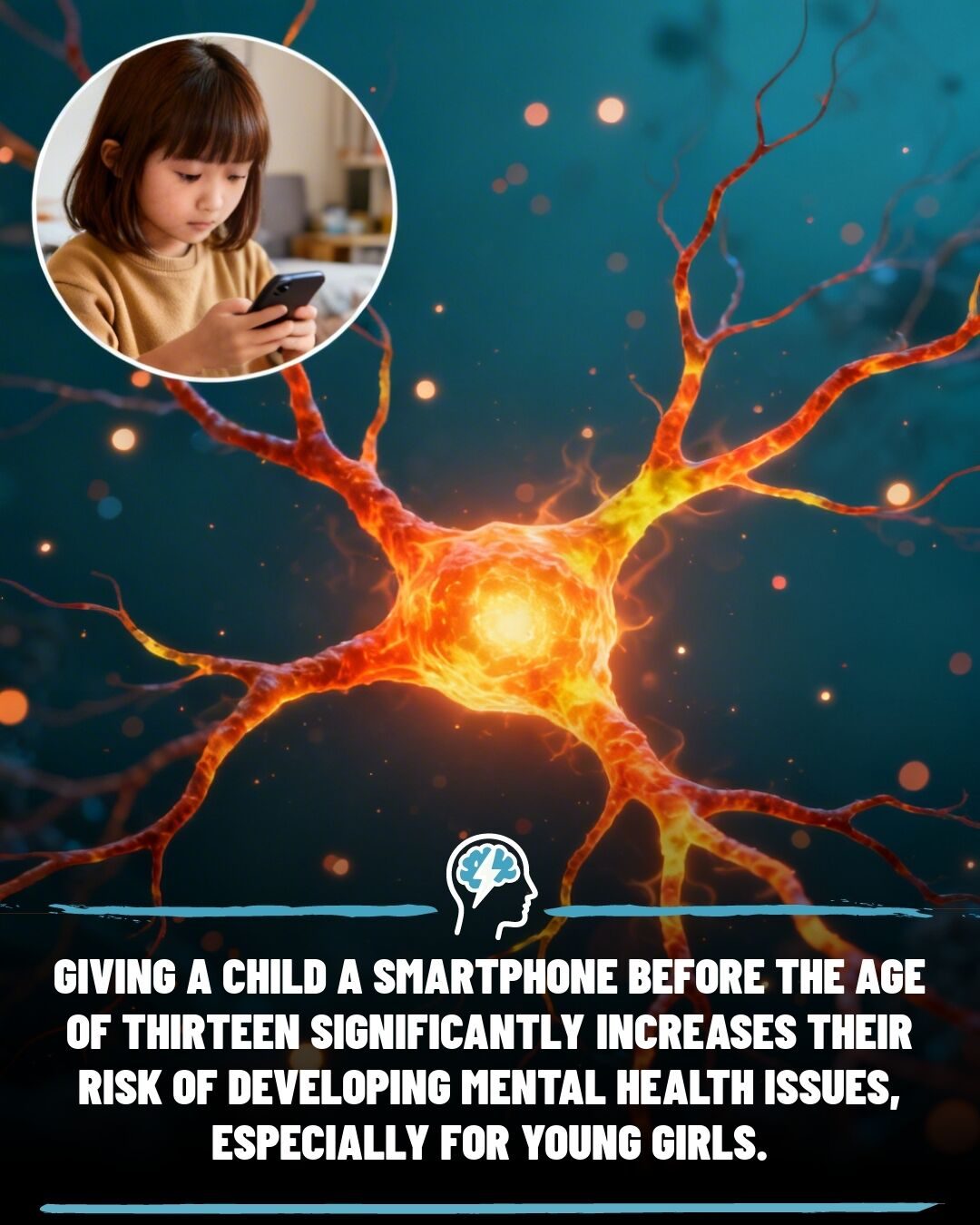
Smartphone Use and Mental Health
The age at which a child receives their first smartphone can significantly impact their mental health. Recent research indicates that early smartphone ownership, particularly before the age of 13, is linked to increased risks of depression, anxiety, and other mental health challenges in young adulthood. This age can be a pivotal point in your child’s development, so understanding the potential consequences of early smartphone use is crucial.
Why This Matters
Smartphones have become ubiquitous in our society, offering a range of benefits, from connectivity to entertainment. However, the timing of when a child receives their first smartphone can have unexpected and significant effects on their mental health. The age of 13 is a critical threshold, and the earlier a child starts using a smartphone, the greater the potential impact.
Main Discussion
The Dose-Dependent Impact
Research shows a dose-dependent relationship between early smartphone use and mental health outcomes. This means that the younger a child is when they receive a smartphone, the more likely they are to experience negative effects. For instance, a child who gets a smartphone at 10 years old may face more significant challenges than one who starts at 12 or 13.
Key Factors Contributing to Mental Health Issues
Several interconnected pathways contribute to the association between early smartphone use and poor mental health outcomes. Let's explore the critical factors:
-
Social Media Access: Early access to social media accounts for approximately 40% of the link between early smartphone use and mental health issues. The pressures of social media—especially for young girls—can lead to increased anxiety and depression.
-
Sleep Disruption: Screen-based devices can displace essential restorative sleep time. Stimulating content keeps developing brains in heightened alert states, and blue light exposure may interfere with melatonin production. Studies have shown that children with smartphones are 62% more likely to experience insufficient sleep, leading to a host of health issues.
-
Cyberbullying: Cyberbullying accounts for about 10% of the association. The anonymity and reach of the internet make bullying more pervasive and harmful. Young individuals may not have the emotional resilience to cope with these experiences, leading to severe mental health problems.
-
Strained Family Relationships: Early smartphone use can strain family relationships, contributing to 13% of the association. The constant distraction and reduced face-to-face interaction can erode the bonds between family members, further impacting a child’s emotional well-being.
Potential Consequences
The potential consequences of early smartphone use are alarming. Research from the Children's Hospital of Philadelphia found that:
- Smartphone ownership at age 12 was associated with a 31% higher risk of depression and a 40% higher risk of obesity.
- Mental Health Quotient scores dropped significantly based on the age of first phone ownership.
Practical Tips
Given the potential risks, it is essential to approach smartphone ownership thoughtfully. Here are some practical tips:
Consider Delaying Smartphone Ownership
Delaying smartphone access until after age 13 can significantly reduce the risks associated with early use. This approach aligns with expert recommendations and allows children to develop essential social and emotional skills without the added pressures of smartphone use.
Open Communication
Open and honest communication with your child about the potential risks and benefits of smartphone use is crucial. Establishing boundaries and setting clear expectations can help mitigate some of the negative effects.
Prioritize Sleep
Ensure that your child gets adequate sleep by setting boundaries around screen time, especially before bed. Encourage a tech-free environment in the bedroom and limit screen use at least an hour before bedtime.
Encourage Face-to-Face Interactions
Promote face-to-face interactions and social activities that do not involve screens. Encourage outdoor play, sports, and other hobbies that foster social connections and reduce the reliance on digital devices.
Important Takeaways
- The age at which a child receives their first smartphone can significantly impact their mental health.
- Early smartphone use is linked to increased risks of depression, anxiety, and other mental health challenges.
- Key factors contributing to these risks include social media access, sleep disruption, cyberbullying, and strained family relationships.
- Research shows that delaying smartphone ownership until after age 13 can reduce these risks.
- Open communication, setting boundaries, and prioritizing sleep and face-to-face interactions are critical strategies.
Conclusion
The age at which a child receives their first smartphone is a significant factor in their mental health development. By understanding the potential risks and taking proactive steps, parents can help mitigate the negative effects of early smartphone use. Delaying ownership, promoting open communication, and prioritizing sleep and face-to-face interactions are all essential strategies for fostering a healthy and balanced approach to technology.
Questions readers ask
What is the significance of the age of 13 in relation to smartphone ownership and teen mental health?
The age of 13 is highlighted as a critical threshold. Before this age, children who receive a smartphone may face greater risks of mental health challenges such as depression and anxiety. Parents and guardians should consider this age as a guideline when determining the appropriate time to give a child their first smartphone.
How does early smartphone use impact sleep patterns in teenagers?
Early smartphone use can disrupt sleep patterns in teenagers. The blue light emitted by smartphones can interfere with the production of melatonin, a hormone that regulates sleep. Additionally, the engaging content on smartphones can lead to late-night use, further compromising sleep quality.
What are some signs that a teen may be experiencing mental health challenges due to smartphone use?
Signs may include changes in mood, such as increased irritability or sadness, withdrawal from social activities, decreased interest in hobbies, and changes in sleep patterns. If you notice these signs, it is important to have an open conversation with your teen about their smartphone use and consider seeking professional help if necessary.
Are there benefits to delaying smartphone ownership for children?
Delaying smartphone ownership can help children develop important life skills and coping mechanisms without the constant distraction of a smartphone. It also allows for more face-to-face interactions, which are crucial for social development. Additionally, delaying smartphone ownership can help mitigate the risks of mental health challenges associated with early smartphone use.
How can parents promote healthy smartphone habits in their teens?
Parents can promote healthy smartphone habits by setting clear boundaries and expectations around smartphone use, such as designated 'no-phone' times and areas. Encourage teens to engage in other activities, like sports, hobbies, or face-to-face social interactions. Regularly discuss the importance of balancing screen time with other aspects of life and be mindful of any changes in their behavior or mood.
What should parents do if they suspect their teen's smartphone use is causing mental health issues?
If parents suspect that their teen's smartphone use is causing mental health issues, they should have an open and non-judgmental conversation with their teen about their concerns. It may be helpful to set boundaries around smartphone use, such as limiting screen time or encouraging offline activities. If the issues persist, consider seeking help from a mental health professional.
Can other factors besides age of smartphone ownership impact a teen's mental health?
Yes, while the age of smartphone ownership is significant, other factors can also impact a teen's mental health. These include the amount of time spent on the smartphone, the type of content consumed, and the individual's overall lifestyle and environment. It's important to consider these factors holistically when assessing a teen's mental well-being in relation to smartphone use.
Related deep dives
Similar reads based on topic and creator.




Recent articles
Fresh deep dives from the latest Reels we unpacked.




Comments
Be the first to comment.