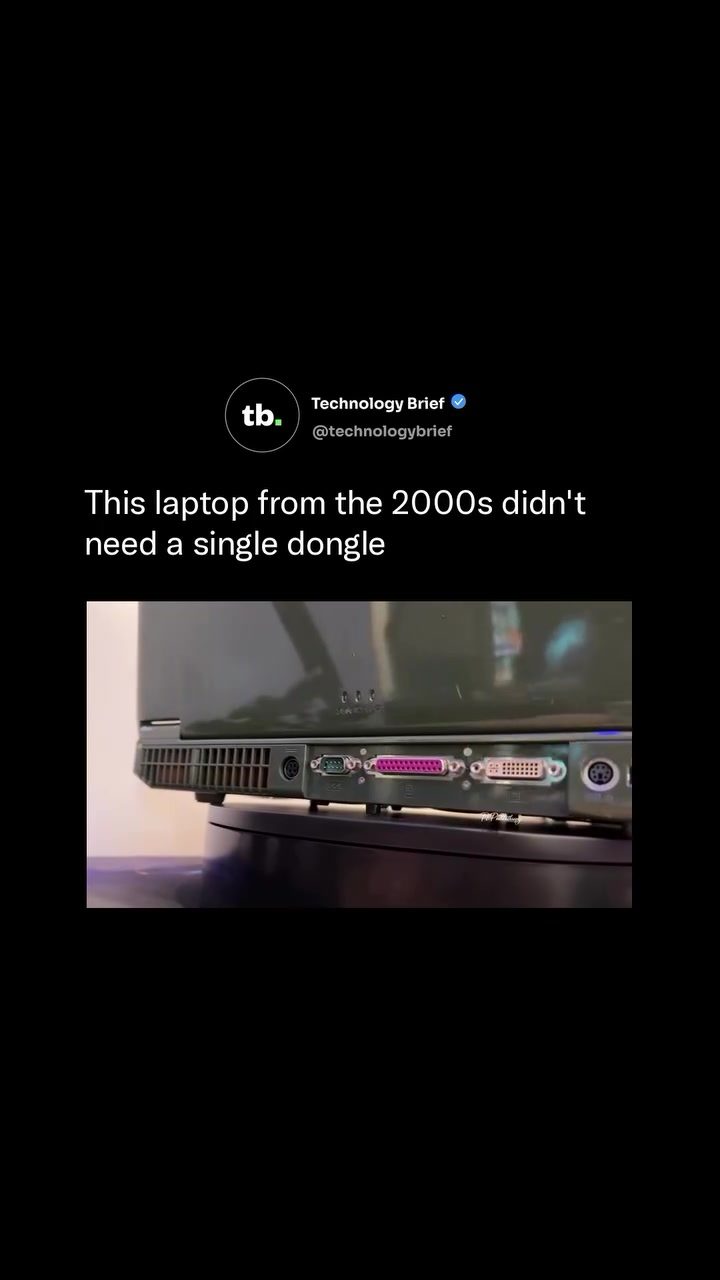
Vintage Laptops: The Port Powerhouses of the Early 2000s
Early 2000s laptops were engineering marvels offering a variety of ports directly built into the chassis, providing unparalleled versatility for connecting a wide range of devices. This abundance of connectivity options meant that users could connect to almost any peripheral without the need for additional adapters or dongles.
Context: The Port Evolution of Laptops
The early 2000s was a time of rapid technological advancement, and laptops from this era reflected that progress. These devices were designed with an array of ports, including VGA, DVI, S-Video, USB, FireWire, Ethernet, audio jacks, and memory card slots, all integrated directly into the chassis. Such diversity allowed users to connect various devices effortlessly, from external monitors and TVs to cameras, storage drives, and network systems.
Main Discussion
Versatility of Early 2000s Laptops
The Variety of Ports
Earlier laptops featured:
- VGA and DVI Video Outputs: Essential for connecting CRT and early LCD monitors.
- S-Video: Provided a sharper analog signal to televisions compared to standard composite cables.
- USB Ports: Offered a universal connection for a wide range of peripherals, from keyboards to external drives.
- FireWire (IEEE 1394): A fast data transfer interface, capable of up to 800 Mbps, commonly used by video editors to connect cameras and external drives.
- Ethernet Ports: Ensured reliable, high-speed wired internet connections.
- Audio Jacks: Allowed for easy headphone and microphone connections.
- Memory Card Slots: Facilitated direct data transfer from digital cameras and other memory devices.
- Optical Drive Bays: Provided the capability to read and write CDs and DVDs.
These features made older laptops incredibly versatile, eliminating the need for additional adapters or dongles. For example, with built-in S-Video, users could easily connect their laptops to TVs for presentations or entertainment, while FireWire and USB ports ensured swift data transfer and connectivity with various devices.
The Shift in Modern Laptops
Today, modern laptops have significantly fewer ports. Manufacturers have prioritized thinness and lightness, often at the cost of built-in connectivity options. While this design makes laptops more portable, it also means users frequently need to purchase separate dongles or hubs to replicate the connectivity options available on older models.
Reasons for the Change
- Design and Portability: The demand for thinner, lighter devices has led manufacturers to reduce the number of built-in ports.
- Universal Connectivity Standards: The rise of USB-C and Thunderbolt ports has simplified connectivity, as these can handle multiple functions, including video output, data transfer, and charging.
- Wireless Technology: The advancement of wireless technologies like Wi-Fi 6 and Bluetooth 5.0 has reduced the need for wired connections.
Practical Tips
If you own a modern laptop and miss the versatility of older models, here are some tips to enhance connectivity:
Using Adapters and Hubs
Invest in a multi-port USB hub or an adapter that provides the necessary ports. For example, a USB-C hub can offer multiple USB-A ports, HDMI, and Ethernet connections, thereby expanding your laptop's capabilities.
Wireless Connectivity
Maximize the use of wireless technologies. Bluetooth and Wi-Fi are indispensable for modern connectivity, allowing you to connect to printers, speakers, and other peripherals without wires.
Portable External Drive Solutions
If you need fast data transfers, consider using high-speed portable SSDs with USB-C or Thunderbolt connections. These drives offer fast data transfer speeds and are compatible with modern laptops.
Important Takeaways
Vintage laptops from the early 2000s set a high standard for connectivity with their abundant variety of ports. Modern laptops, while sleeker and more portable, have sacrificed some of this versatility in pursuit of design and portability. Understanding the evolution of laptop ports and connectivity options helps users make informed decisions when upgrading or purchasing new devices.
Conclusion
The early 2000s laptops were a testament to the era's innovative spirit, offering an array of ports that catered to various needs. While modern laptops have evolved to prioritize portability and design, it's essential to appreciate the versatility of older models and adapt modern devices to suit your connectivity needs. Whether through the use of adapters, hubs, or wireless technologies, it is possible to recapture some of the connectivity flexibility of vintage laptops in today's devices.
Questions readers ask
What are the most common ports found on early 2000s laptops?
Early 2000s laptops typically featured a variety of ports including VGA, DVI, S-Video for video output, USB for data transfer, FireWire for high-speed data transfer, Ethernet for wired networking, standard audio jacks, and memory card slots. Furthermore, this range of ports enabled users to connect to almost any peripheral device without needing adapters.
Why were early 2000s laptop ports considered versatile?
The versatility of early 2000s laptop ports stemmed from their ability to connect to a wide range of devices directly, including monitors and peripherals. This meant that users could easily connect these devices without the need for additional hardware, providing a seamless user experience.
How does the port selection of early 2000s laptops compare to modern laptops?
Modern laptops often prioritize slim designs and wireless connectivity, resulting in a more limited selection of ports, whereas early 2000s laptops boasted a greater variety of ports. This difference often requires modern users to rely on adapters or dongles for connecting older devices, which early 2000s laptops could connect to without additional hardware.
What advantages did the FireWire port on early 2000s laptops offer?
The FireWire port on early 2000s laptops provided high-speed data transfer, making it ideal for connecting digital cameras, external hard drives, and other high-bandwidth devices. This port offered faster data transfer rates compared to USB 1.1 and 2.0, which were also present on these laptops, making it a popular choice for users needing quick data transfers.
What types of devices could be connected to the S-Video port on early 2000s laptops?
The S-Video port on early 2000s laptops was primarily used for connecting to older analog displays, such as CRT monitors and projectors. This port provided a better-quality video signal compared to composite video, making it a popular choice for users needing to connect to older display devices.
What is the significance of having multiple USB ports on early 2000s laptops?
Having multiple USB ports on early 2000s laptops allowed users to connect various devices simultaneously, such as keyboards, mice, printers, and external storage devices. This feature was particularly useful for users who needed to multitask and use multiple peripherals at once, without running out of ports.
Why was the VGA port a popular choice for video output on early 2000s laptops?
The VGA port was a popular choice for video output on early 2000s laptops due to its widespread use and compatibility with a large number of monitors and projectors. This analog video port provided a reliable and high-quality connection, even though it was being gradually replaced by digital ports like DVI and HDMI in later years.
Related deep dives
Similar reads based on topic and creator.




Recent articles
Fresh deep dives from the latest Reels we unpacked.




Comments
Be the first to comment.