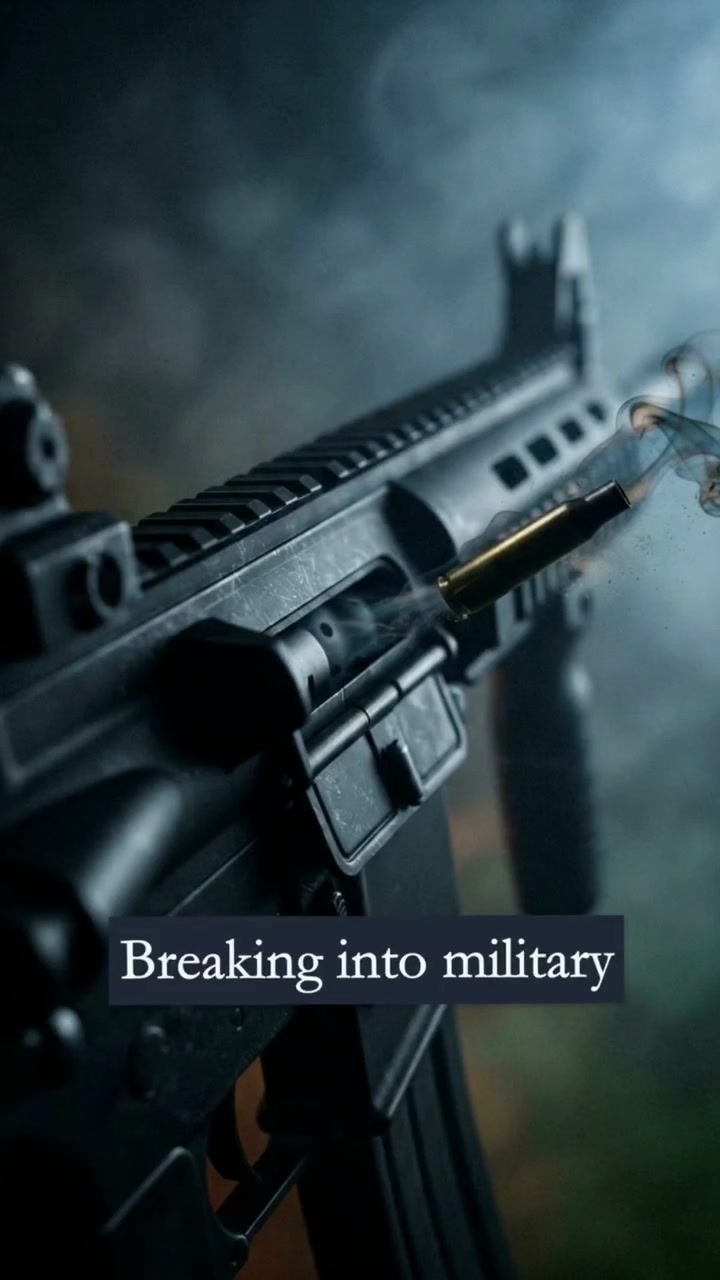
In Hyderabad, a startup called Dweepa Defense defied the industry's biggest claim: that breaking into military hardware manufacturing is impossible. The company has produced an indigenous weapons supply chain, carving a path from pharmaceuticals and hospitality to defense. This feat involved building a 13-acre facility, developing a battle rifle in just 100 days, and funding the operation without venture capital.
The Startup Who Defies India's Defense Norms
Dweepa Defense builds weapons that India’s army may depend on. They aim to provide equipment to India's ministries and armed forces. Dweepa designed their first product, the Ugrom battle rifle, in just 100 days. Their leadership team consists of individuals from the pharmaceuticals and hospitality sectors, not conventional weapons manufacturing. They built a 13-acre precision defense manufacturing facility from scratch. They built this hardware-centric startup with an unconventional approach to capital and military partnership. Dweepa’s journey began with no formal venture capital funding or a public valuation. They bootstrapped this capital-intensive hardware using debt, bolstered by an 18-crore government commercialization grant. Their startups and other manufacturing efforts are not flashy like tech startups.
Beyond the Tech Buzz
Dweepa Defense's development is a notable departure from India’s recent boom in startup culture. The idea of a startup moving into the capital-intensive defense industry runs counter to the tech-oriented startup boom that has captivated venture capitalists. There are societal and economic dimensions to this shift, though, as India seeks to reduce its reliance on foreign weapons suppliers. Dweepa leads the reconstruction of India’s defense industry through unconventional methods. India relies heavily on imports for military supplies. This reliance has generated a sense of urgency to establish a robust domestic defense industry. The government has consistently promoted indigenous defense manufacturing as a strategic imperative to reduce foreign dependence. Dweepa Defense's rise echoes a broader national narrative of economic self-reliance set in motion years ago.
A Success Story — the Foundations
The Team and Mindset
Dweepa Defense has a unique team, leaders from pharmaceuticals and hospitality. This background sets them apart from traditional weapons manufacturers. These leaders brought fresh perspectives and problem-solving skills to the defense industry, which traditionally relies on engineers.
The Ugrom Battle Rifle
Dweepa partnered with the Defence Research and Development Organization (DRDO) to develop the Ugrom battle rifle. The Ugrom rifle project started with a development contract. However, Dweepa swiftly moved from initial contracts to delivering working prototypes in just 100 days. This speed showcased Dweepa’s ability to execute complex projects efficiently.
A Success Story — The Accomplishments
Funding and Growth
Dweepa is unique among hardware-focused startups. It has zero disclosed venture capital funding, which differentiates it from flashy tech startups. Funding came from government grants and debt. Dweepa secured an 18-crore government commercialization grant to finance the Ugrom development.
The Battle Rifle
The Ugrom battle rifle cleared rigorous army and ministry trials in 2026. They didn’t stop at testing. This bootstrapped rifle won a 3.5-crore government procurement contract. The Ugrom has begun active service in India's defense forces, replacing imported weapons.
A Success Story — The Execution
Infrastructure and Process
Building a 13-acre precision defense manufacturing facility from scratch is no small feat, especially for a startup. They invested in modern manufacturing infrastructure and processes. By building a large facility from scratch, they demonstrated the agility and capability to execute complex manufacturing projects.
The Army Contract
Their partnership with the DRDO and successful creation of the Ugrom rifle won them a 3.5-crore government procurement contract. By rapidly replacing the imported weapons, Dweepa is already leveraging their success to further innovation in India's domestic defense industry.
Taking Part through the Gaps
Dweepa Defense's journey — from building a 13-acre facility to landing major government contracts — is a testament to their unique approach. Following their lead, anyone can take to a different path in India's defense sector with a new mindset:
- Partnerships: Collaboration with government institutions like the DRDO can provide crucial backing and resources. This can accelerate development and approval processes.
- Capital Efficient Funding: Explore non-traditional funding avenues, such as government grants and debt, to mitigate the heavy capital requirements of defense projects.
- Executional Speed: Focus on rapid prototyping and execution. Dweepa's ability to deliver working prototypes in 100 days highlights the importance of agility in defense manufacturing.
Who Really Fuels Innovation?
“In defense, physical execution beats venture capital.” The mantra of Dweepa Defense, in a nutshell, resonates deeply in India's defense sector transformation. Their success story underscores the importance of grit, strategic partnerships, and a focus on execution over external funding. Despite the increased funding of the defense sector, it’s the relentless push towards innovation and the ability to meet physical execution milestones that will truly fuel the growth of an indigenous defense industry.
Questions readers ask
What kind of background do the leaders of Dweepa Defense have, and how does this differ from typical defense industry leaders?
Dweepa Defense's leadership team comes from the pharmaceuticals and hospitality sectors, which is quite unusual for the defense industry. This diverse background brings fresh perspectives and problem-solving skills to the table, setting them apart from the traditional engineering-focused leaders in the weapons manufacturing sector.
How did Dweepa Defense manage to develop a battle rifle in just 100 days?
Dweepa Defense partnered with the Defence Research and Development Organization (DRDO) to develop the Ugrom battle rifle. They started with a development contract and quickly moved from initial contracts to delivering working prototypes in just 100 days, showcasing their ability to execute complex projects efficiently.
What are the main differences between Dweepa Defense and other tech startups in India?
Dweepa Defense stands out because it operates in the capital-intensive defense industry, unlike the tech-oriented startups that typically capture venture capital interest. They also focus on a less flashy, more hardware-centric approach and have managed to secure their funding through debt and government grants, rather than relying on venture capital.
How does Dweepa Defense contribute to India's goal of reducing reliance on foreign weapons suppliers?
Dweepa Defense is part of a broader national effort to promote indigenous defense manufacturing. By developing and producing weapons domestically, they help reduce India's dependence on foreign suppliers, aligning with the government's strategic imperative for economic self-reliance and national security.
What kind of facility did Dweepa Defense build, and how did they manage to construct it?
Dweepa Defense built a 13-acre precision defense manufacturing facility from scratch in Hyderabad. This involved a significant investment in infrastructure and showcased their ability to establish a robust supply chain in the defense sector, all without traditional venture capital funding.
What role did government support play in Dweepa Defense's development?
The Indian government played a crucial role in Dweepa Defense's development by providing an 18-crore commercialization grant. This grant, along with debt financing, enabled the startup to bootstrap its capital-intensive operations without relying on venture capital, which is typical in the tech startup ecosystem.
What does bootstrapping mean in the context of Dweepa Defense, and how did they do it?
Bootstrapping for Dweepa Defense means starting and growing the company without external equity investment, primarily relying on debt and government grants. They secured an 18-crore grant from the government and managed their finances through debt, which allowed them to develop and manufacture weapons without the need for venture capital funding.
Related deep dives
Similar reads based on topic and creator.




Recent articles
Fresh deep dives from the latest Reels we unpacked.




Comments
Be the first to comment.