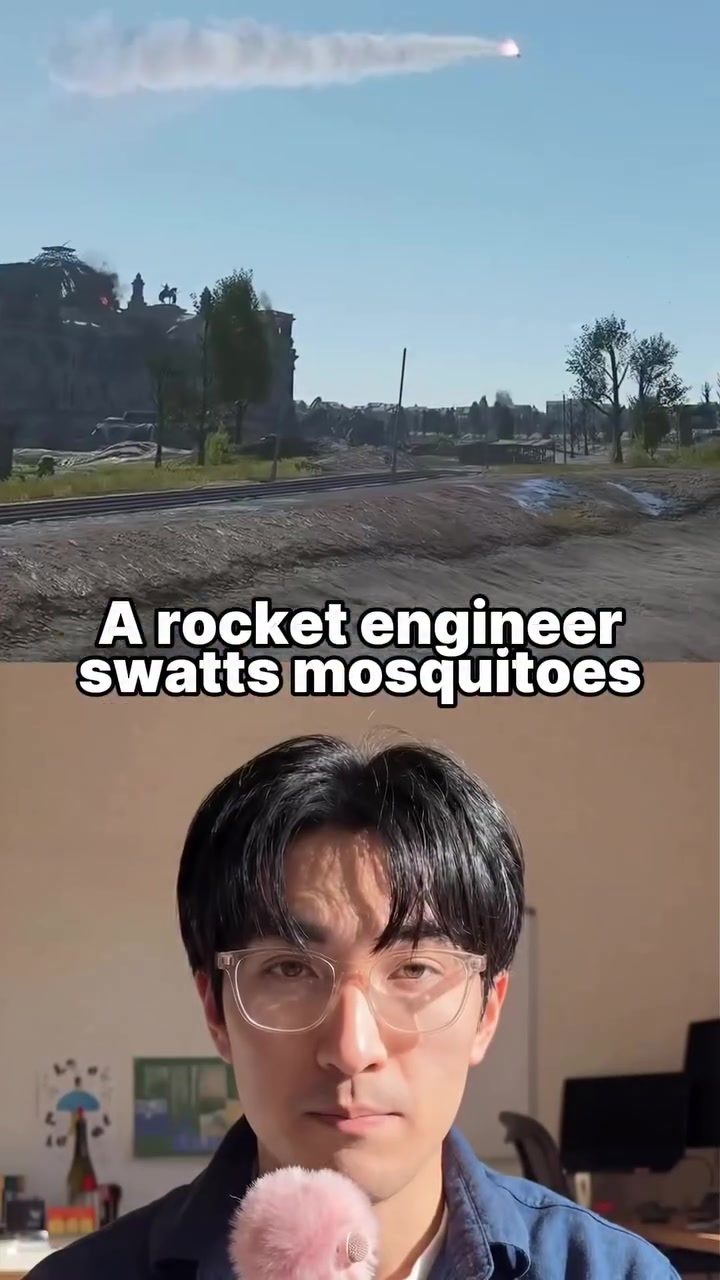
Drone Mosquito Control
Malaria is a deadly disease, claiming over 600,000 lives annually, with children under five being the most vulnerable. Traditional methods of mosquito control, such as insecticides and bed nets, have been effective but come with significant costs and environmental concerns. Enter the mosquito-hunting drone, a cutting-edge solution developed by a missile engineer. This innovative gadget is designed to track and intercept mosquitoes midair, offering a new approach to malarial disease prevention.
Why This Matters
Mosquitoes are not just annoying pests; they are vectors for some of the world's most deadly diseases, including malaria, dengue, and Zika. Effective mosquito control is crucial for public health, especially in regions where these diseases are endemic. Traditional methods, while effective, often come with drawbacks such as high costs, environmental impact, and the development of insecticide resistance. The drone mosquito control system aims to address these issues by providing a more targeted and efficient solution.
How it Works
The drone, weighing just 40 grams, is equipped with advanced technology to identify and intercept mosquitoes. Here's a breakdown of its operating principles:
Ultrasonic Pulse and Doppler Signature Analysis
The drone's primary function is to hunt down mosquitoes in midair. To do this, it fires an ultrasonic pulse and listens through tiny microphones. The sound waves bounce off the insect's wings, creating a Doppler signature. This signature allows the drone to differentiate between a mosquito and other insects, such as bees. Once identified, the drone chases down the mosquito and intercepts it with its propellers, effectively knocking it out of the air.
Autonomous Operation
The drones operate autonomously, relying on onboard microphones to navigate and hunt. This autonomy raises important questions about noise levels and the potential for repurposing the technology for other, less benevolent uses. While the drones are designed with safety and efficiency in mind, their autonomous operation introduces concerns about potential misuse.
Cost Efficiency
The potential impact of these drones is substantial. A team of researchers believes that just 10 drones could clear mosquitoes from an entire square kilometer, significantly reducing the cost of mosquito control by a factor of 100. This cost reduction could make mosquito control more accessible in regions where resources are limited, potentially saving many lives.
Practical Tips
Implementing drone mosquito control systems in affected regions requires careful planning and consideration of several factors:
Deployment Strategy
Effective deployment of drones requires a well-planned strategy. This includes determining the optimal number of drones needed for a given area, ensuring that they are distributed evenly, and monitoring their performance. Regular maintenance and updates to the drones' software and hardware are also essential to keep them functioning at peak efficiency.
Public Awareness and Acceptance
Public acceptance is crucial for the success of any new technology. Educating communities about the benefits and safety of drone mosquito control can help build trust and support. Community involvement in the deployment process can also enhance acceptance and ensure that the technology is used effectively.
Regulatory Considerations
Regulatory frameworks must be established to govern the use of these drones. This includes guidelines for drone operation, safety protocols, and measures to prevent misuse. Collaboration with local authorities and health organizations is essential to develop and implement these regulations effectively.
Important Takeaways
The development of mosquito-hunting drones represents a significant advancement in the fight against malaria and other mosquito-borne diseases. While the technology shows great potential, several challenges and concerns need to be addressed:
Ecological Impact
The ecological impact of large-scale insect killing is a critical concern. While mosquitoes are harmful to humans, they are an essential part of many ecosystems. Disrupting the food chain could have unforeseen consequences, and further research is needed to understand the full extent of these impacts.
Autonomous Operation and Security
The autonomous nature of these drones raises security concerns. Ensuring that the technology is used for its intended purpose and cannot be repurposed for malicious activities is a priority. Developing robust security measures and monitoring systems can help mitigate these risks.
Conclusion
The drone mosquito control system offers a promising new approach to malaria prevention. By providing a targeted, cost-effective solution, these drones have the potential to save countless lives and reduce the economic burden of mosquito-borne diseases. However, addressing the challenges and concerns associated with this technology will be crucial for its successful implementation. As researchers continue to refine and test the drones, their role in public health and disease control is likely to grow, offering hope for a future free from the deadly scourge of malaria.
Questions readers ask
How do drones help in malaria prevention?
Drones equipped with advanced technology track and intercept mosquitoes in midair, reducing the number of disease-carrying insects. This innovative approach aims to lower malaria transmission by targeting mosquitoes before they can bite humans.
What technology do these drones use to detect mosquitoes?
These drones utilize ultrasonic mosquito detection, which allows them to pinpoint the location of mosquitoes in midair. This precise tracking system enables the drones to intercept the mosquitoes efficiently, contributing to malaria prevention efforts.
Who developed the mosquito-hunting drone technology?
The mosquito-hunting drone technology was developed by a missile engineer. This expertise has been applied to create a novel approach for intercepting mosquitoes and preventing the spread of malaria and other mosquito-borne diseases.
How do drone mosquito control methods compare to traditional approaches?
Traditional mosquito control methods, such as insecticides and bed nets, have been effective but have limitations and environmental impacts. Drone mosquito control offers a more targeted and potentially environmentally friendly solution by intercepting mosquitoes directly, reducing reliance on chemicals.
Can drone technology help prevent diseases other than malaria?
Yes, the same drone technology used for malaria prevention can be effective against other mosquito-borne diseases like dengue and Zika. By intercepting mosquitoes that carry these diseases, drones contribute to broader public health initiatives in regions affected by multiple vector-borne illnesses.
Related deep dives
Similar reads based on topic and creator.




Recent articles
Fresh deep dives from the latest Reels we unpacked.




Comments
Be the first to comment.