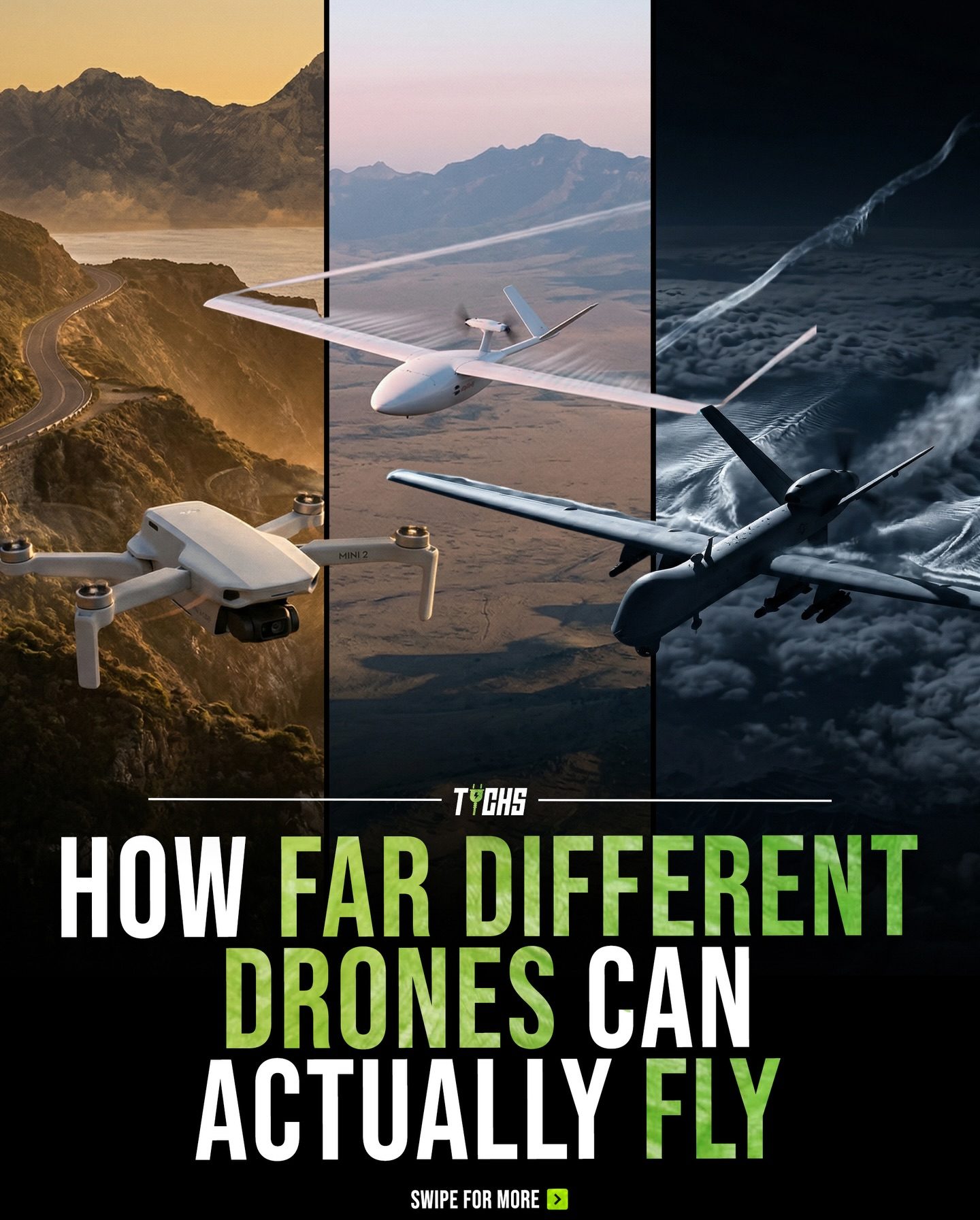
Drone Flight Range: The Ultimate Guide
There's a lot of confusion around how far drones can fly. The range of a drone significantly depends on its purpose, technology, and communication systems. To grasp the full scope, we need to explore different types of drones, from toy models to military platforms.
Why This Matters
Understanding the flight range of different drones is crucial for both hobbyists and professionals. Whether you're a drone pilot looking to enhance your skills, or a business interested in integrating drones into your operations, knowing the distances that drones can travel is essential for planning and safety.
The Spectrum of Drone Capabilities
Toy Drones
Toy drones are the most basic and commonly used types. These are designed for fun and typically operate within short distances, typically 0.5 to 2 miles. They use basic signal systems, making them easy to control but limited in range. The DJI Mini 2, for example, is a compact model that can reach several miles with more advanced transmission technology. These drones are ideal for beginners and casual flyers who want to capture photos and videos.
Hobby and Photography Drones
For those looking to step up their drone flying experience, hobby drones are the next level. These drones are designed for photography, videography, and regular outdoor flying. They typically have a range of about 0.5 to 2 miles, similar to toy drones but with a more refined design and advanced features. The DJI Mavic Air 2 is a perfect example. It offers high-quality cameras and better stability, making it a popular choice for both hobbyists and professionals.
FPV Drones
First-Person View (FPV) drones, like the DJI Avata 2, offer a more immersive flying experience. These drones focus on speed and control, allowing pilots to enjoy the thrill of flight as if they were sitting in the cockpit. While their range can vary, they often operate within a few miles, similar to hobby drones. The main difference is their design and the features that prioritize high-speed flying and agility.
Delivery Drones
Delivery drones are designed to travel longer distances, typically between 10 to 50 miles. These drones are equipped with advanced systems that allow them to navigate and deliver packages efficiently. Zipline is a well-known example in this category, using drones to deliver medical supplies and other essential items to remote areas. This type of drone is crucial for logistics and supply chain management, making it an essential tool for businesses and humanitarian organizations.
Commercial and Industrial Drones
On a larger scale, commercial and industrial drones are used for various tasks, from inspecting infrastructure to surveying land. These drones can travel over 1,000 miles and are often equipped with specialized sensors and cameras. They are designed to handle specific tasks, making them valuable for businesses across different industries.
Military Drones
At the far end of the spectrum are military drones, such as the MQ-9 Reaper. These drones can fly over 1,000 miles using satellite communication, making them capable of long-distance surveillance and reconnaissance missions. They are highly advanced, with features that include high-resolution cameras, advanced sensors, and even weapon systems, making them a critical asset for military operations.
Practical Tips for Maximizing Drone Flight Range
To maximize the flight range of your drone, consider the following tips:
Use the Right Drone for the Job
Choosing the right drone for your needs is the first step. Whether you're a hobbyist, a professional photographer, or a delivery service, make sure your drone is equipped with the right technology to handle the job. For longer distances, consider drones with advanced signal systems and GPS technology.
Regular Maintenance
Regular maintenance is key to ensuring your drone's performance. Keep your drone's firmware updated, check for any physical damage, and inspect the battery and signal systems regularly. A well-maintained drone will perform better and have a longer flight range.
Optimize Battery Life
Battery life is crucial for drone flight range. Use high-quality batteries and carry extra batteries for extended flights. Also, make sure to charge your batteries before each flight and avoid flying in cold temperatures, as this can reduce battery performance.
Fly in Ideal Conditions
Weather conditions can greatly affect your drone's flight range. Fly in calm weather with minimal wind to maximize your drone's performance. Avoid flying in strong winds or extreme temperatures, as these can shorten your drone's flight range.
Plan Your Flight Path
Planning your flight path is essential for maximizing flight range. Fly in direct lines, avoid obstacles, and minimize the use of advanced flight modes that can drain battery life. Using GPS and mapping tools to plan your flight path can also help you stay on course and avoid lost signals.
Important Takeaways
Understanding the different types of drones and their flight ranges is essential for anyone interested in this technology. From toy drones that operate within short distances to military drones that can fly thousands of miles, each type of drone has its purpose and capabilities. By choosing the right drone, maintaining it properly, and flying in optimal conditions, you can maximize your drone's flight range and get the most out of your aerial adventures.
Conclusion
Drones have revolutionized various industries, from photography to delivery services and military operations. Each type of drone has a unique flight range, designed to meet specific needs and tasks. Whether you're a beginner or a professional, understanding the capabilities and limitations of different drone types will help you make the most of this technology. With the right knowledge and tools, you can unlock the full potential of drones and take your aerial adventures to new heights.
Questions readers ask
How does the flight range of a toy drone compare to other types of drones?
Toy drones typically have the shortest flight range, usually up to 2 miles, which means they are suitable for beginners and recreational flyers. This is significantly less than professional, delivery, or military drones, which can travel much further.
What factors determine the flight range of a DJI drone, such as the Mavic series?
The flight range of a DJI Mavic drone, like the Mavic 3, is influenced by its battery life, signal range, and communication systems. Typically, a Mavic drone can range from 5 to 9 miles, depending on whether it is operated in open areas without interference.
Which drones are commonly used for delivery services and how far can they typically fly?
Drones used for delivery, such as those by Zipline, can fly several miles per charge, and are designed to handle multiple flights. Zipline, for example, can travel up to 90 miles in a single flight, making them ideal for delivery services and medical supply transportation.
What are the longest range military drones and how far can they travel without interference?
Military drones like the MQ-9 Reaper can travel over 1,150 miles without refueling, making them some of the longest-range drones. These drones are designed for extended surveillance and reconnaissance missions, and their range is crucial for effective military operations.
How can you maximize the flight distance of a drone for photography and videography?
To maximize the flight distance of a drone for photography or aerial videography, ensure that you are flying in open areas with minimal interference, keep your drone within the recommended range of your controller, and maintain a clear line of sight. Additionally, carrying extra batteries will extend the drone’s flight time and distance.
How far can a hobbyist drone fly on a single charge, and what can affect this range?
A hobbyist drone, such as the DJI Mavic Mini 2, can fly up to 7 miles on a single charge. However, factors like wind conditions, flying techniques, and environmental interference can impact this range. The range can be maintained by flying in open spaces, and using the appropriate flight modes to conserve battery.
What safety measures should be taken to operate a drone within its recommended flight range?
To operate a drone safely within its recommended flight range, always fly within the line of sight, monitor your drone's battery levels, and avoid flying in restricted areas. Be sure to follow local regulations and guidelines, and maintain a safe distance from people, buildings, and other obstacles, ensuring a clear path for the drone to return to the launch point.
Related deep dives
Similar reads based on topic and creator.




Recent articles
Fresh deep dives from the latest Reels we unpacked.




Comments
Be the first to comment.