AI-Driven Driver Monitoring Systems: A New Era of Road Safety in U.S. Cars
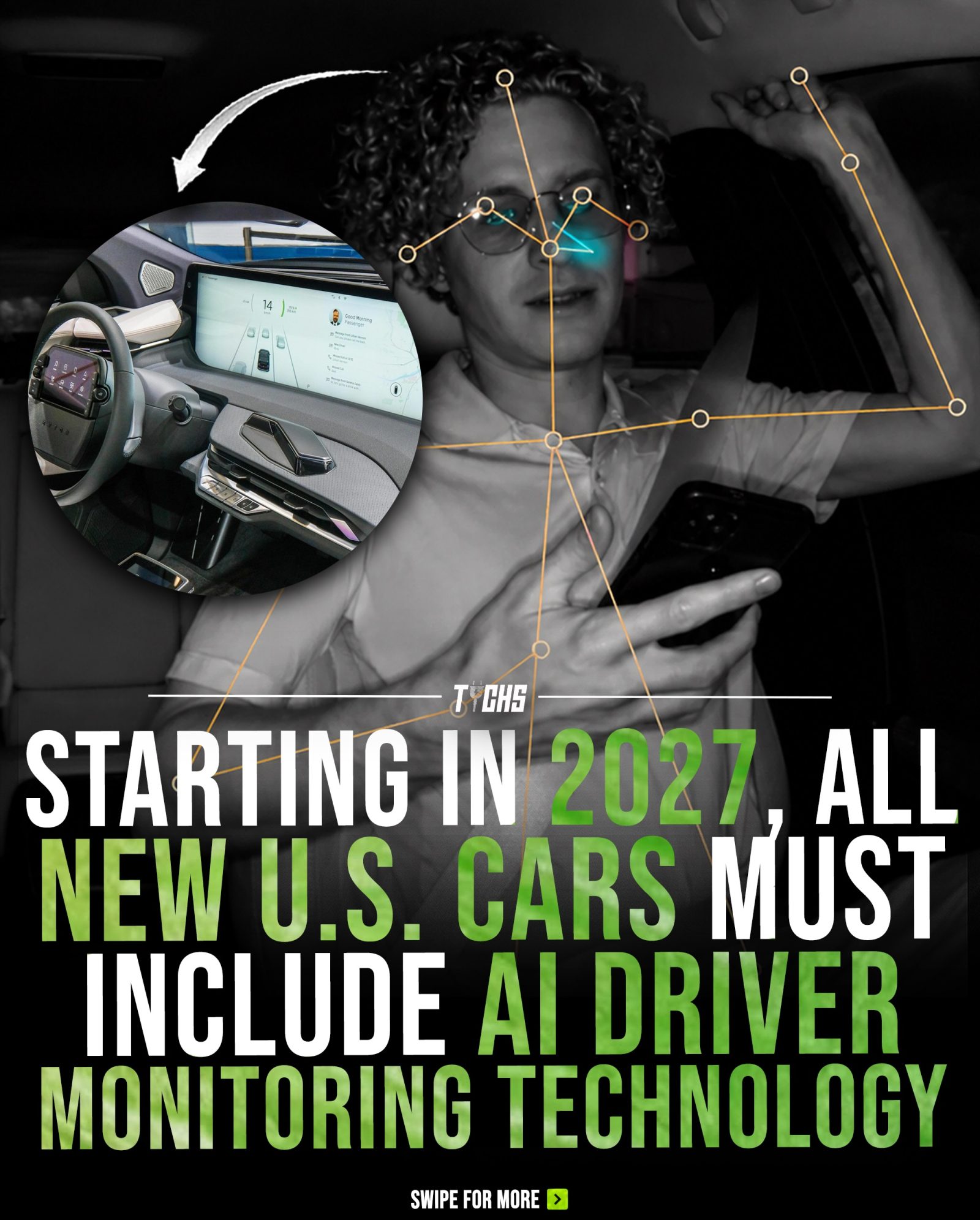
Starting in 2027, all new passenger vehicles in the United States will be equipped with an advanced driver monitoring system. This technology, powered by artificial intelligence (AI), marks a significant leap forward in automotive safety. Under the Infrastructure Investment and Jobs Act, the U.S. Department of Transportation and the National Highway Traffic Safety Administration (NHTSA) are developing a new Federal Motor Vehicle Safety Standard that mandates these systems. The goal is to make intelligent driver monitoring a standard safety feature across the industry.
Why this matters
This initiative represents a monumental shift in how safety is approached in the automotive industry. By integrating AI, cameras, and in-cabin sensors, these systems can detect signs of driver distraction or impairment. The technology can then trigger safety interventions to mitigate risks. Ultimately, this move aims to reduce accidents caused by impaired or distracted driving, enhancing overall road safety.
The technology behind the innovation
Sensor and camera integration
The driver monitoring system utilizes a combination of AI and state-of-the-art cameras and in-cabin sensors. These sensors constantly monitor the driver's behavior and physical state, looking for signs of distraction, fatigue, or impairment. The cameras are positioned to capture the driver's facial expressions, eye movements, and overall body language. Any deviations from normal driving behavior can be flagged as potential risks.
AI-driven decision-making
AI plays a crucial role in processing the data collected by the sensors and cameras. It can analyze the driver's behavior in real time, determining if there is a risk of impairment or distraction. The system is designed to detect signs of drowsiness, such as prolonged blinking or head drooping, as well as indicators of distraction, like looking away from the road for extended periods.
Safety interventions
Once a potential risk is identified, the system can take immediate action. This may include issuing audible or visual alerts to the driver, reducing the vehicle's speed, or even bringing the car to a safe stop if the risk is deemed serious. The goal is to prevent accidents before they happen, thereby ensuring the safety of both the driver and other road users.
Practical tips
Understanding the system's capabilities
Drivers should familiarize themselves with the capabilities and limitations of the driver monitoring system. Knowing how the system works can help drivers understand when and how it may intervene, reducing any anxiety or confusion during an alert.
Safe driving habits
Maintaining good driving habits can complement the effectiveness of the monitoring system. This includes regular breaks, staying alert, and avoiding distractions like using a phone while driving. The system is a safety aid, but safe driving practices are still crucial.
Regular maintenance
Ensuring that the cameras and sensors are clean and well-maintained is essential. Regular checks and maintenance can ensure that the system functions optimally, providing reliable monitoring and timely interventions.
Important takeaways
- Enhanced Safety: The integration of AI-driven driver monitoring systems in all new U.S. cars starting in 2027 will significantly enhance road safety by detecting and mitigating risks associated with impaired or distracted driving.
- Technological Innovation: The use of advanced sensors, cameras, and AI represents a technological leap in automotive safety, setting a new standard for future vehicles.
- Public Awareness: Understanding how these systems work and maintaining good driving habits can complement the effectiveness of the driver monitoring technology.
Conclusion
The introduction of AI-powered driver monitoring systems in all new U.S. passenger vehicles starting in 2027 is a landmark development in automotive safety. By leveraging advanced AI, cameras, and in-cabin sensors, these systems can detect and respond to signs of driver impairment and distraction, thereby reducing the risk of accidents. As this technology becomes a standard feature, it will undoubtedly contribute to safer roads for all. Whether you're driving a new car or an older model, staying informed about these advancements can help you make better decisions on the road.
Questions readers ask
What is the driver monitoring mandate for 2027 U.S. cars?
The driver monitoring mandate requires that all new U.S. passenger vehicles, beginning in 2027, be equipped with an AI-powered driver monitoring system.
How do AI-driven driver monitoring systems work?
AI-driven driver monitoring systems use cameras and sensors to track the driver's behavior and detect signs of distraction or impairment. The system can then take real-time actions to mitigate risks, such as audible alerts or even taking control of the vehicle.
What is the purpose of the 2027 driver monitoring mandate?
The primary purpose of the 2027 driver monitoring mandate is to enhance road safety by reducing accidents caused by driver distraction or impairment.
Which government agencies are involved in implementing the driver monitoring mandate?
The U.S. Department of Transportation and the National Highway Traffic Safety Administration (NHTSA) are the key agencies developing the new Federal Motor Vehicle Safety Standard that will enforce the mandate.
What kind of technology will be used in these driver monitoring systems?
The driver monitoring systems will utilize state-of-the-art cameras and sensors, along with advanced AI algorithms, to monitor the driver's condition and the surrounding environment.
What actions can these driver monitoring systems take if a driver is distracted or impaired?
If a driver is detected as distracted or impaired, the systems may initiate actions such as sounding an alert, displaying a warning on the dashboard, or even temporarily overriding certain vehicle controls to prevent accidents.
Related deep dives
Similar reads based on topic and creator.




Recent articles
Fresh deep dives from the latest Reels we unpacked.




Comments
Be the first to comment.