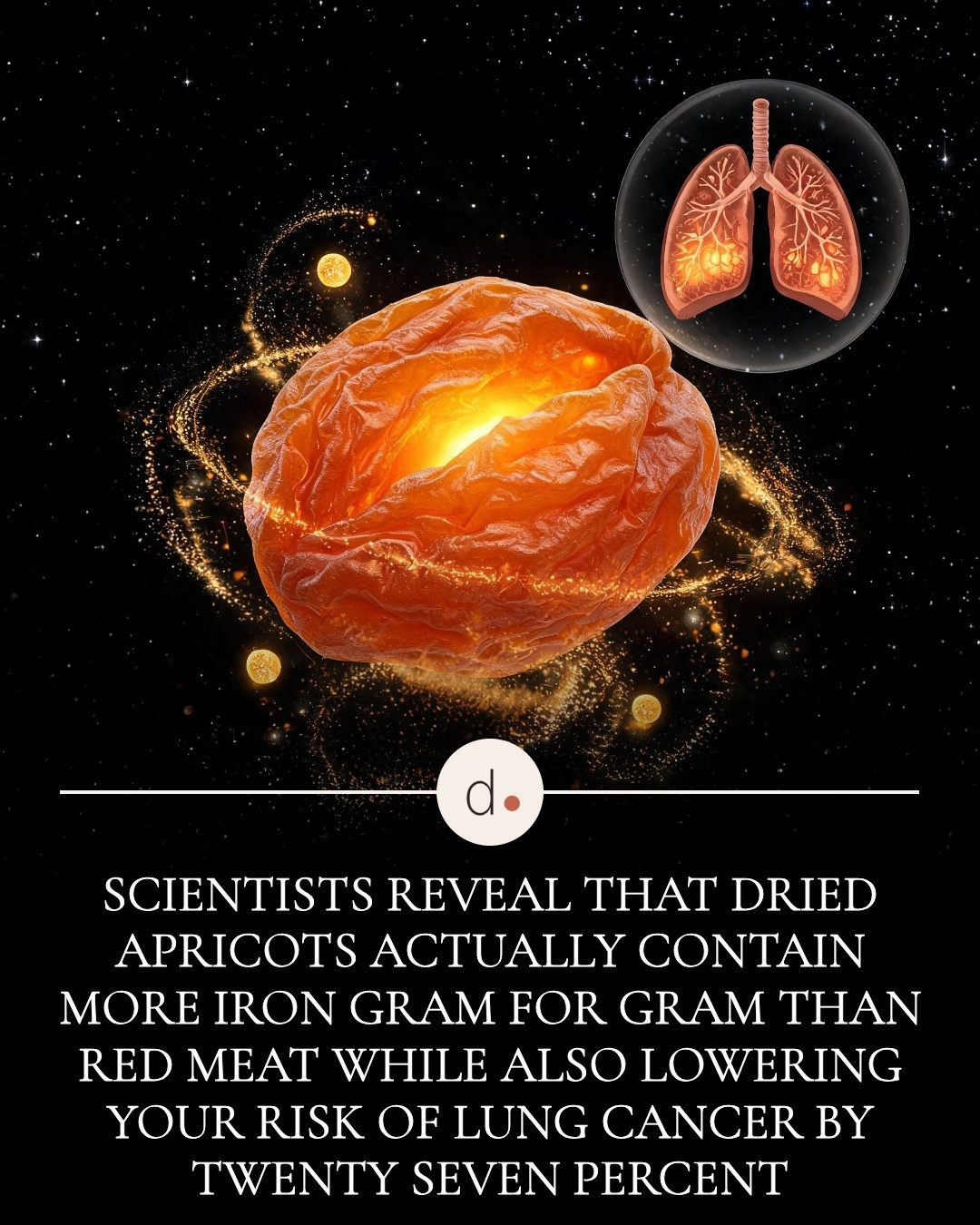
Dried Apricots: A Powerhouse of Iron and Health Benefits
Dried apricots are often overlooked as a mere snack or baking ingredient, but they pack a surprising nutritional punch. These chewy, golden fruits are not only a good source of iron but also offer significant health benefits, particularly for lung health.
Context: The Underrated Power of Dried Apricots
Nature has a way of hiding its most beneficial elements in the simplest packages. Dried apricots are a prime example of this phenomenon. Often relegated to the role of a trail mix filler or a baking ingredient, these fruits are actually loaded with essential minerals and plant compounds that can enhance overall health.
Nutrition Profile and Iron Content
One of the standout features of dried apricots is their impressive iron content. For those managing iron deficiency or low energy levels, beef is typically the go-to protein. However, 100 grams of dried apricots can provide roughly 2.7 to 3.3 milligrams of iron. This is slightly higher than the 2.6 milligrams you would get from the same amount of braised beef. This makes dried apricots a solid option for plant-based eaters and anyone looking to boost their red blood cell production through whole foods.
Iron is crucial for maintaining healthy energy levels and supporting various bodily functions, including oxygen transport. The non-heme iron found in dried apricots is particularly beneficial for vegetarians and vegans who may struggle to meet their iron needs through diet alone.
The Lung Health Connection
Beyond their iron content, dried apricots also offer potential benefits for lung health. These fruits carry a carotenoid called beta cryptoxanthin. Studies have shown that a high intake of this compound is associated with a lower risk of lung cancer. Specifically, consuming more beta cryptoxanthin can reduce the risk of lung cancer by up to 27%. This is a significant finding, especially given the prevalence of lung cancer and the importance of preventive measures.
Beta cryptoxanthin is a pigment found in orange and yellow fruits, including apricots. This compound is part of a larger family of carotenoids known for their antioxidant properties. By incorporating more foods rich in beta cryptoxanthin into the diet, individuals can potentially lower their risk of various health issues, including lung cancer.
Maximizing the Benefits of Dried Apricots
To fully harness the health benefits of dried apricots, consider the following tips:
-
Pair with Vitamin C: Vitamin C enhances the absorption of the non-heme iron found in dried apricots. Pairing dried apricots with a source of vitamin C, such as citrus fruits or bell peppers, can maximize iron absorption.
-
Add Healthy Fats: Beta cryptoxanthin is a fat-soluble compound, meaning it is best absorbed when consumed with healthy fats. Adding a bit of healthy fat, such as avocado or nuts, to your dried apricot snack can help your body process this beneficial compound more effectively.
-
Choose Unsulphured Varieties: Unsulphured dried apricots are typically darker in color and do not contain added preservatives. Opting for unsulphured varieties can provide a cleaner, more natural snack option.
Benefits Beyond Iron and Lung Health
In addition to their iron content and lung health benefits, dried apricots offer a range of other nutritional advantages:
-
Fiber Content: Dried apricots are rich in dietary fiber, which supports digestive health and can help prevent constipation.
-
Vitamin A: These fruits are a good source of vitamin A, which is essential for maintaining healthy vision, skin, and immune function.
-
Antioxidants: Dried apricots are packed with antioxidants, which help protect the body from damage caused by harmful molecules called free radicals. Antioxidants play a crucial role in reducing the risk of chronic diseases, including heart disease and cancer.
-
Potassium: Dried apricots provide a significant amount of potassium, an essential mineral that supports heart health, muscle function, and fluid balance in the body.
Incorporating Dried Apricots into Your Diet
There are numerous ways to incorporate dried apricots into your daily meals and snacks. Some ideas include:
-
Snacking: Enjoy a handful of dried apricots as a quick and convenient snack between meals.
-
Trail Mix: Add dried apricots to your favorite trail mix for a boost of iron, fiber, and antioxidants.
-
Baking: Use dried apricots as an ingredient in muffins, bread, or cookies for added flavor and nutrition.
-
Salads: Chop dried apricots and add them to salads for a pop of color and a burst of flavor.
-
Yogurt: Mix dried apricots into your morning yogurt or oatmeal for a nourishing breakfast bowl.
Important Takeaways
Dried apricots are much more than a simple snack. They are a nutritional powerhouse packed with iron, fiber, antioxidants, and essential vitamins. By incorporating these fruits into your diet, you can boost your iron levels, support lung health, and enjoy a range of other health benefits. Whether you're a plant-based eater or simply looking to enhance your overall well-being, dried apricots are a valuable addition to your nutritional repertoire.
Conclusion
Nature often hides its most powerful benefits in the simplest forms, and dried apricots are a testament to this phenomenon. With their impressive iron content and potential lung health benefits, dried apricots are a versatile and nutritious addition to any diet. By following simple tips to maximize their benefits and incorporating them into a variety of meals and snacks, you can easily harness the power of these underrated fruits.
Questions readers ask
How much iron can I get from dried apricots?
Dried apricots are an excellent source of iron. A single serving (about 5-6 dried apricots) provides approximately 5% of the daily recommended iron intake for adults, making them a great choice for boosting red blood cell production and combating fatigue.
Are dried apricots beneficial for lung health?
Yes, dried apricots contain unique plant compounds, such as beta-carotene and antioxidants, that have been linked to potential lung health benefits. Regular consumption of dried apricots may support overall lung function and reduce the risk of certain respiratory conditions.
Can dried apricots help in cancer prevention?
Studies suggest that the antioxidants and phytochemicals in dried apricots, such as beta-carotene and vitamin C, may offer cancer-fighting benefits. These compounds help neutralize harmful free radicals, potentially lowering the risk of certain cancers, particularly lung cancer.
What are some other health benefits of dried apricots?
Apart from their iron content and lung health benefits, dried apricots are rich in fiber, which aids in digestion, and vitamin A, which supports vision and immune function. They also contain potassium, which is essential for heart health and blood pressure regulation.
How do dried apricots help in combating fatigue?
Dried apricots are an excellent source of iron, which is crucial for the production of red blood cells. These cells transport oxygen to the body's tissues, and a sufficient supply of iron helps prevent fatigue and exhaustion, making dried apricots a great snack for energy maintenance.
Related deep dives
Similar reads based on topic and creator.



Recent articles
Fresh deep dives from the latest Reels we unpacked.




Comments
Be the first to comment.