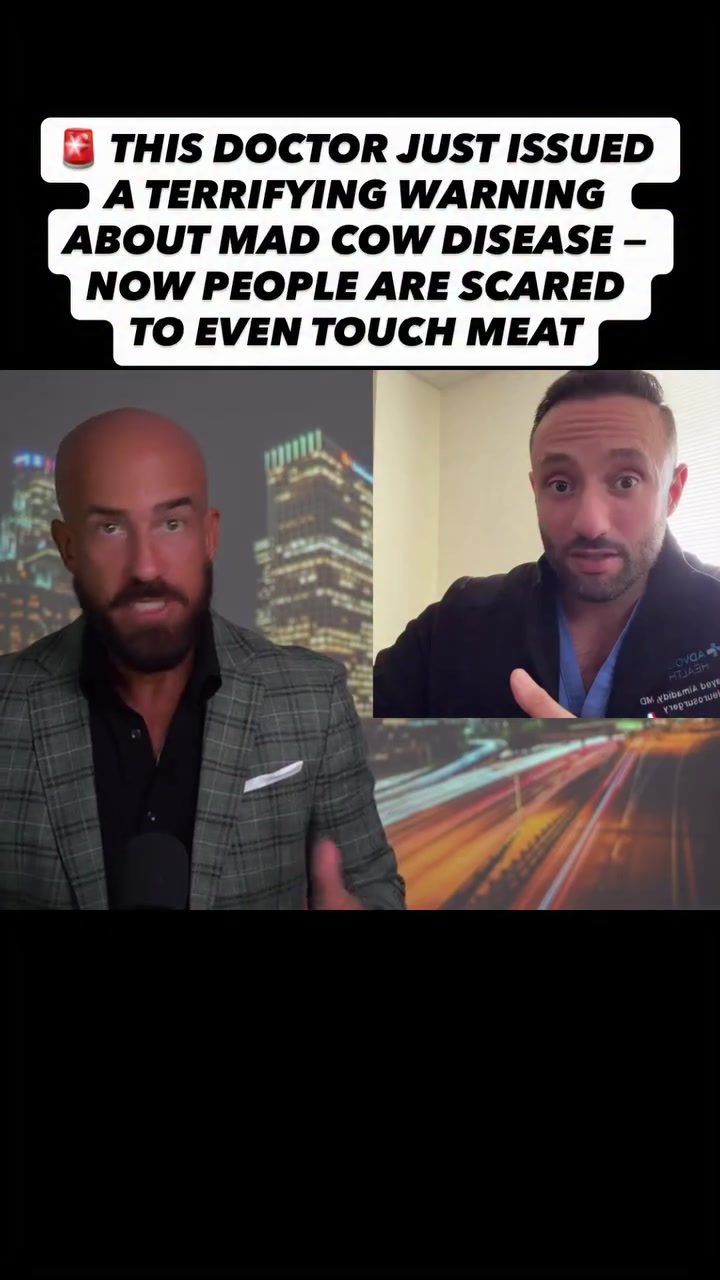
Mad Cow Disease: A Terrifying Medical Condition
Mad cow disease, known scientifically as bovine spongiform encephalopathy (BSE), is a prion disease that has struck fear into the hearts of many, including medical professionals. This terrifying condition has led to widespread concern about meat consumption and has raised critical questions about safety and contamination. Understanding mad cow disease, its causes, and its implications is essential for anyone considering the impact on public health and food safety.
Why this matters
Mad cow disease is not just a concern for cattle; it has significant implications for human health. The most notable human form of prion disease related to mad cow disease is variant Creutzfeldt-Jakob disease (vCJD). This disease is almost always fatal, and there is no known treatment. The mere mention of mad cow disease can spark widespread fear, as seen in the public reaction to recent warnings.
Understanding Prion Diseases
What are Prions?
Prions are misfolded proteins that can trigger normal proteins in the brain to misfold, leading to a cascade of damage. Unlike bacteria, viruses, or fungi, prions are incredibly resilient and almost impossible to eradicate once they contaminate an area. This makes them one of the most feared pathogens in the medical community.
Types of Prion Diseases
Prion diseases come in various forms, including:
- Mad Cow Disease (BSE): Affects cattle and can be transmitted to humans through contaminated meat.
- Creutzfeldt-Jakob Disease (CJD): A rare, degenerative brain disorder that can be inherited, sporadic, or acquired through infection.
- Variant Creutzfeldt-Jakob Disease (vCJD): A specific form of CJD linked to the consumption of BSE-contaminated beef.
Transmissibility and Contamination
Prions are notorious for their ability to spread through contaminated surfaces and tissues. The doctor mentioned that once a patient with a prion disease passes away, everything in the room they occupied must be discarded. This extreme measure highlights the difficulty in eradicating prions and the fear they evoke in medical professionals.
Symptoms and Progression
Prion diseases, including mad cow disease, are characterized by rapid deterioration of the brain. Symptoms can include:
- Memory loss
- Personality changes
- Loss of coordination
- Dementia
- Eventually leading to death within a few months.
Given the rapid progression and lack of effective treatments, these diseases are particularly frightening for both patients and healthcare providers.
Mad Cow Disease in Context
Historical Background
Mad cow disease first gained widespread attention in the 1980s and 1990s when it was linked to the deaths of cows in the United Kingdom. The discovery that humans could contract a similar disease (vCJD) through the consumption of contaminated beef products led to global health concerns and stringent regulations on meat processing and inspection.
Public Health Response
The public health response to mad cow disease has been swift and comprehensive. Measures include:
- Quarantine and Culling: Infected herds are quarantined and culled to prevent the spread of the disease.
- Surveillance and Monitoring: Rigorous monitoring of cattle herds and human populations to detect early signs of the disease.
- Public Awareness: Educational campaigns to inform the public about the risks and measures to prevent contamination.
Impact on the Meat Industry
The discovery of mad cow disease has had a significant impact on the meat industry, leading to:
- Regulatory Changes: Stricter regulations on animal feed and meat processing to prevent contamination.
- Consumer Confidence: A decline in consumer confidence in beef products, leading to shifts in diet and purchasing habits.
Practical Tips for Consumers
Safe Meat Consumption
While the risk of contracting mad cow disease through meat consumption is low, it is essential to follow best practices:
- Choose Reputable Sources: Buy meat from reputable suppliers who adhere to strict quality and safety standards.
- Cook Thoroughly: Ensure that meat is cooked thoroughly to kill any potential pathogens.
- Stay Informed: Keep up-to-date with the latest health advisories and guidelines from public health organizations.
Public Health Precautions
For healthcare professionals, the precautions are even more stringent:
- Personal Protective Equipment (PPE): Use appropriate PPE when handling patients with suspected prion diseases.
- Disposal of Contaminated Materials: Ensure that all materials used in the care of prion disease patients are discarded and not reused.
- Decontamination Protocols: Follow strict decontamination protocols to prevent the spread of prions in healthcare settings.
Important Takeaways
- Prions are incredibly contagious and almost always fatal.
- Mad cow disease is a type of prion disease that can affect both cattle and humans.
- There is no known treatment for prion diseases; supportive care is the only option.
- Extreme measures, such as discarding contaminated materials, are necessary to prevent the spread of prions.
Conclusion
Mad cow disease represents one of the most terrifying medical conditions due to its contagious nature and the lack of effective treatments. Understanding the causes, symptoms, and preventative measures is crucial for both consumers and healthcare professionals. By staying informed and following best practices, we can mitigate the risks associated with this dreadful disease. While the thought of contracting mad cow disease may be frightening, awareness and vigilance are key to maintaining public health and safety.
Questions readers ask
What are the symptoms of mad cow disease in cattle?
The symptoms of mad cow disease in cattle, or bovine spongiform encephalopathy, typically include changes in behavior, such as increased aggression or nervousness, difficulty walking, and a decrease in milk production. As the disease progresses, cattle may experience weight loss, difficulty swallowing, and eventually, death. These symptoms usually appear after a long incubation period, often several years.
How is mad cow disease transmitted to humans?
Mad cow disease can be transmitted to humans through the consumption of contaminated meat products, especially beef. The infectious agent, a misfolded protein called a prion, can cause a rare and fatal human disease known as variant Creutzfeldt-Jakob disease (vCJD). Proper cooking and handling of meat can significantly reduce the risk of transmission.
What are the symptoms of variant Creutzfeldt-Jakob disease in humans?
The symptoms of variant Creutzfeldt-Jakob disease (vCJD) in humans are similar to other prion diseases and typically include psychiatric symptoms such as depression, anxiety, and memory lapses. As the disease progresses, neurological symptoms like involuntary movements, vision problems, and difficulty walking may occur. The duration from onset of symptoms to death is usually around 13 to 40 months, but can vary significantly.
Is there a cure or treatment for mad cow disease in cattle or humans?
Currently, there is no cure or effective treatment for mad cow disease in cattle or for the human variant, vCJD. The disease is always fatal, and there are no approved therapies that can halt or reverse its progression. Research is ongoing to find potential treatments, but none have been successfully implemented to date.
How can the spread of mad cow disease be prevented?
Preventing the spread of mad cow disease involves strict regulation and surveillance of the cattle industry. This includes banning the use of contaminated feed, implementing rigorous testing protocols for cattle, and enhancing food safety measures. Public health officials also advise consumers to be cautious about meat consumption and to follow proper cooking and handling guidelines to minimize the risk of exposure to the disease.
What measures are in place to ensure the safety of meat products?
To ensure the safety of meat products, many countries have implemented stringent regulations and surveillance programs. These measures include testing cattle for BSE, restricting the use of certain animal proteins in cattle feed, and enforcing proper disposal methods for infected animals. Additionally, some countries have implemented import bans on beef from regions with known outbreaks of mad cow disease to protect public health.
How can consumers protect themselves from mad cow disease?
Consumers can protect themselves by staying informed about the safety of the meat they consume. This includes purchasing meat from reputable sources, cooking meat thoroughly to kill potential prions, and being aware of any recalls or advisories related to mad cow disease. While the risk of contracting vCJD is low, taking these precautions can provide an extra layer of safety.
Recent articles
Fresh deep dives from the latest Reels we unpacked.




Comments
Be the first to comment.