Unlocking Human Regeneration
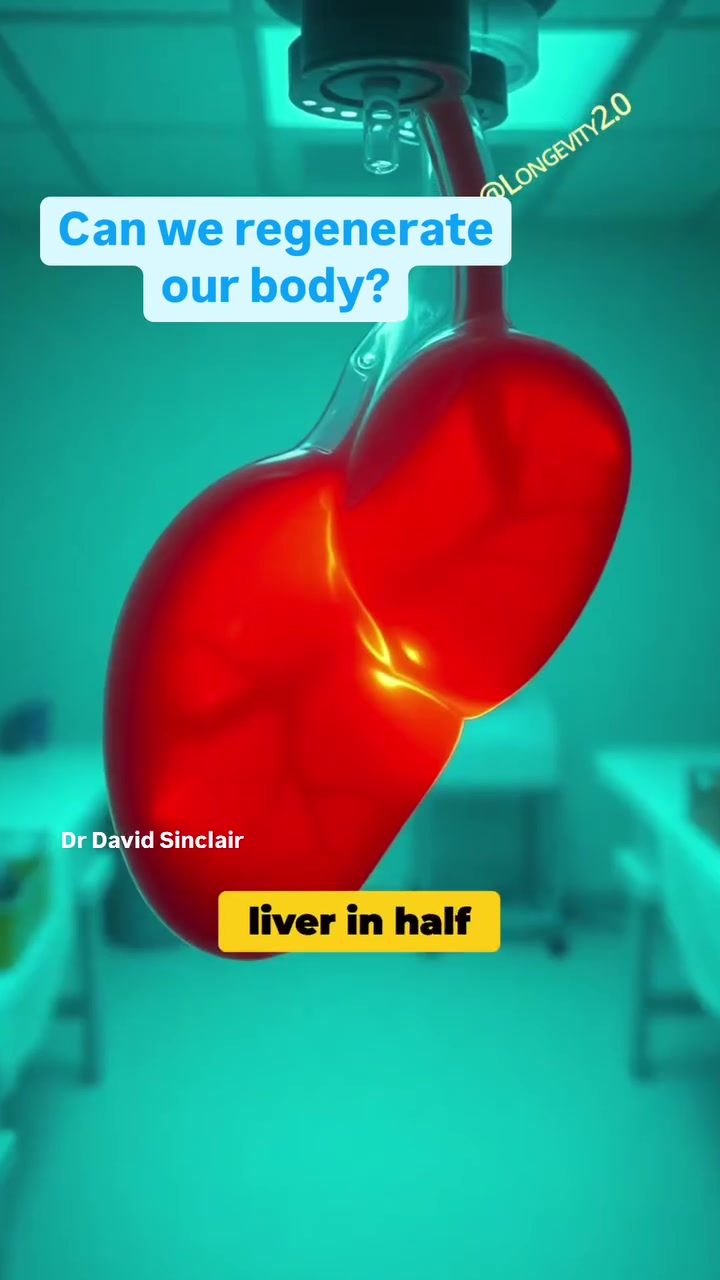
The human body possesses an astonishing capacity for regeneration, as seen in organs like the liver, which can regrow. Yet, compared to other species, our ability to regenerate is limited.
That's where the Yamanaka factors come into play. This trio of proteins—Oct4, Sox2, and Klf4—were originally identified to reprogram cells into stem cells. However, their potential extends far beyond this basic function. They could hold the key to unlocking our body's dormant regeneration systems.
Why This Matters
The pursuit of human regeneration isn't just about repairing injuries or replacing lost limbs. It's about extending the lifespan and healthspan of people. If we can harness the power of the Yamanaka factors, we may be able to repair our bodies at a cellular level, reversing the effects of aging and disease.
Understanding the Yamanaka Factors
The Yamanaka factors are named after Dr. Shinya Yamanaka, who discovered they could reprogram adult cells into a stem cell-like state. This discovery earned him the Nobel Prize in Physiology or Medicine in 2012. Originally, these factors were used to create induced pluripotent stem cells (iPSCs), which can differentiate into any type of cell in the body.
The Original Discovery
Dr. Yamanaka and his team initially identified 24 genes that could reprogram adult cells. Through a process of elimination, they narrowed it down to just four: Oct4, Sox2, Klf4, and c-Myc. Later, they found that c-Myc wasn't strictly necessary, leaving us with the three key Yamanaka factors.
From Stem Cells to Regeneration
While the initial discovery focused on creating stem cells, recent research has shifted towards using these factors for regeneration. Dr. David Sinclair, a prominent researcher in the field of aging, is one of the leaders in this new wave of exploration.
The Science Behind Regeneration
The concept of regeneration isn't new. Many organisms, like salamanders and starfish, can regrow entire limbs or even parts of their bodies. But what about humans? Can we regenerate like these creatures?
Nature's Blueprint
Dr. Sinclair and others hypothesize that the Yamanaka factors are part of a natural regeneration system encoded in our DNA. According to the information theory of aging, these factors aren’t just for creating stem cells, but for resetting the body to regenerate lost or damaged parts. In nature, this ability is found in various species but remains dormant in humans.
The Potential in Humans
The real breakthrough comes from the idea that we might be able to tap into this natural ability. By activating the Yamanaka factors in a controlled way, we could potentially turn on our body's regeneration system. This could mean repairing damaged organs, growing new tissue, and even reversing the effects of aging.
Practical Tips
Stay Informed
The field of regeneration is rapidly evolving. Stay informed about the latest research and developments. Follow reputable sources and experts in the field, like Dr. David Sinclair, to learn about new breakthroughs and potential applications.
Consider Clinical Trials
As research progresses, clinical trials will become available. These trials are crucial for testing new therapies and treatments in a controlled environment. Participating in these trials could provide access to cutting-edge treatments and contribute to scientific progress.
Maintain a Healthy Lifestyle
While the science of regeneration is promising, it's also important to take care of your body. Maintain a healthy lifestyle with regular exercise, a balanced diet, and adequate sleep. These habits support overall health and may enhance the body's natural regenerative capabilities.
Important Takeaways
The Yamanaka factors represent a significant leap forward in our understanding of regeneration. By harnessing their power, we could unlock the body's natural ability to heal and rejuvenate. This isn't just about treating injuries or diseases; it's about extending lifespans and improving the overall quality of life.
Conclusion
The quest to understand and harness human regeneration is an ongoing journey. Dr. David Sinclair's work with the Yamanaka factors offers a promising path forward. As we continue to explore these biological pathways, we move closer to a future where regeneration is a reality for all.
Questions readers ask
What are Yamanaka factors and how do they relate to human regeneration?
Yamanaka factors are a set of three proteins: Oct4, Sox2, and Klf4. Initially discovered for their ability to reprogram cells into stem cells, they are now being explored for their potential to enhance human regeneration. By activating dormant regenerative systems in the body, these factors could improve tissue repair and combat aging.
How do Yamanaka factors differ from other regenerative approaches?
Unlike some regenerative approaches that rely on external stem cells or bioengineered tissues, Yamanaka factors work by unlocking the body's own regenerative abilities. This makes them a unique and promising avenue for tissue renewal and repair, as they harness the body's intrinsic capacities.
Can Yamanaka factors help in regenerating lost limbs?
While Yamanaka factors show potential for enhancing tissue repair and regeneration, their ability to regenerate entire lost limbs, similar to salamanders, is still under investigation. Current research focuses on their role in tissue renewal and combating age-related decline, rather than full limb regeneration.
What are some potential applications of Yamanaka factors in regenerative medicine?
Yamanaka factors could be used to develop new therapies for various conditions, including organ damage, degenerative diseases, and injuries. By promoting tissue renewal, these factors might help repair damaged organs, slow down aging, and improve overall healthspan.
How do Yamanaka factors relate to Dr. David Sinclair's work on longevity?
Dr. David Sinclair's research on longevity intersects with the study of Yamanaka factors. Sinclair's work focuses on extending lifespan and healthspan, and Yamanaka factors could be a key component in achieving this goal by enhancing the body's regenerative capabilities and repairing cellular damage.
Are there any risks or concerns associated with using Yamanaka factors for regeneration?
While Yamanaka factors hold significant promise, there are potential risks to consider. These include the possibility of uncontrolled cell growth or tumorigenesis, as the factors can induce rapid cell division. Ongoing research aims to mitigate these risks and ensure safe, effective use.
What makes human regeneration different from that of other species, like salamanders?
Humans possess some regenerative abilities, such as liver regeneration, but our capacity is limited compared to species like salamanders. Salamanders can regrow entire limbs and organs, while humans have more restricted regenerative capabilities. Yamanaka factors could help bridge this gap by unlocking dormant regenerative systems in human tissue.
Recent articles
Fresh deep dives from the latest Reels we unpacked.




Comments
Be the first to comment.