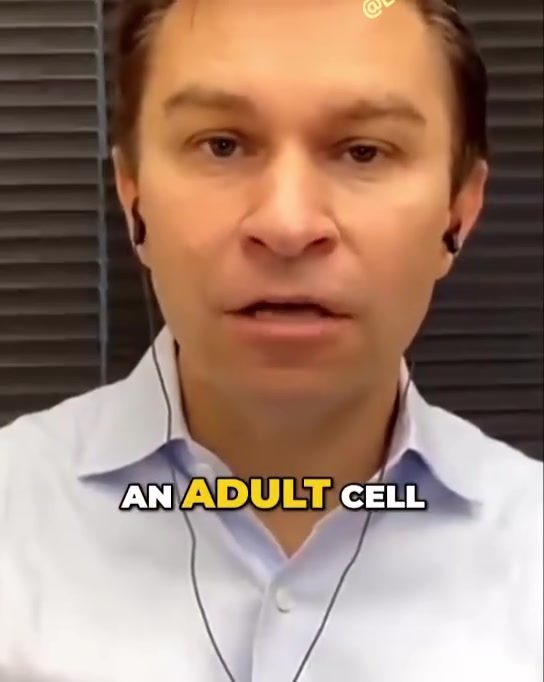
Reversing Aging: The Breakthrough Work of Dr. David Sinclair
Aging is a natural process that affects every living organism, but what if it were possible to turn back the clock on this inevitable march of time? Dr. David Sinclair and his team at Harvard have made significant strides in this direction, achieving a remarkable feat: reversing aging in mice and restoring their sight. This breakthrough is not just a testament to scientific ingenuity but also a beacon of hope for future longevity research.
Context / Why This Matters
The implications of this research are profound. If scientists can successfully reverse the aging process in animals, it opens the door to potential treatments that could extend human healthspan and even reverse certain age-related conditions. This work is part of a burgeoning field focused on NAD+ and other molecular pathways that influence aging.
The Science of Reversing Aging
Reprogramming Cells
At the heart of this groundbreaking research is the concept of reprogramming cells. By inserting four specific genes, known as Yamanaka genes, into adult cells, scientists can convert these cells into induced pluripotent stem cells. These stem cells are essentially reprogrammed to a younger state, akin to turning back the clock on cellular aging.
The Yamanaka Genes
The Yamanaka genes are a set of four genes that, when introduced into an adult cell, can reprogram it into a pluripotent state. This discovery by Dr. Shinya Yamanaka, for which he was awarded the Nobel Prize in Physiology or Medicine in 2012, has revolutionized the field of regenerative medicine. The genes are Oct4, Sox2, Klf4, and c-Myc, and their introduction can turn back the aging process in cells, making them younger and more functional.
Balancing Rejuvenation
While the ability to reprogram cells is exciting, it comes with risks. Pushing cells too far back in time can cause them to lose their identity, potentially leading to the formation of tumors. Dr. Sinclair's team has found a delicate balance, rejuvenating cells just enough to restore their function without compromising their role in the body. This precision is critical for maintaining cellular integrity and preventing cancerous transformations.
Restoring Sight in Blind Mice
One of the most compelling demonstrations of this research is the restoration of sight in blind mice. By treating these mice with the reprogrammed cells, researchers observed significant improvements in their vision. The mice were able to track moving lines on a screen, a behavior that was previously impossible for them. This not only proves the efficacy of the treatment but also highlights the potential for similar therapies in humans.
The Future of Longevity Science
The future of longevity science lies in the ability to not just slow down the aging process but to reverse it. Dr. Sinclair's work represents a major step forward in this direction. By understanding and manipulating the molecular pathways that control aging, scientists hope to develop treatments that can extend healthspan and improve the quality of life for people around the world.
Practical Tips
While direct applications for humans are still in the experimental stages, there are several practical steps you can take to support your health and potentially slow down the aging process:
Boosting NAD+
NAD+ (nicotinamide adenine dinucleotide) is a coenzyme found in all living cells. It plays a crucial role in cellular metabolism and energy production. Boosting NAD+ levels through diet, supplementation, or lifestyle changes can support overall health and potentially slow down aging. Foods rich in NAD+ precursors, such as niacin (vitamin B3) and tryptophan, include:
- Poultry
- Fish
- Mushrooms
- Green vegetables
Incorporating Exercise
Regular exercise is one of the most effective ways to maintain cellular health. Exercise promotes the production of NAD+ and other beneficial compounds, helping to keep cells young and functional. Aim for a balanced routine that includes both aerobic and resistance training.
Healthy Diet
A balanced diet rich in antioxidants, vitamins, and minerals can support cellular health and potentially slow down the aging process. Foods that are high in antioxidants, such as berries, leafy greens, and colorful fruits and vegetables, are particularly beneficial.
Important Takeaways
- Reprogramming Cells: The insertion of Yamanaka genes into adult cells can reverse the aging process, turning them into induced pluripotent stem cells.
- Balancing Rejuvenation: Precision is key to rejuvenating cells without compromising their identity and risking tumor formation.
- Restoring Sight: Successful restoration of sight in blind mice demonstrates the potential for similar treatments in humans.
- NAD+ and Health: Boosting NAD+ levels through diet, supplementation, and lifestyle changes can support overall health and potentially slow down aging.
Conclusion
Dr. David Sinclair's work on reversing aging in mice represents a significant milestone in longevity research. By reprogramming cells and restoring function, scientists are paving the way for future treatments that could extend healthspan and improve the quality of life. While direct applications for humans are still in the experimental stages, the potential for this research is immense. As our understanding of the molecular pathways that control aging continues to grow, so too does our hope for a future where the effects of aging can be reversed.
Questions readers ask
How did Dr. David Sinclair's team achieve vision restoration in blind mice?
Dr. David Sinclair's team at Harvard successfully restored vision in blind mice by reprogramming cells to a younger state, effectively reversing the aging process that had caused their blindness. This approach targets the underlying cellular aging mechanisms, rather than treating symptoms.
What are the potential implications of this research for humans?
The successful reversal of aging in mice and restoration of their sight raises hopes for future treatments in humans. This work suggests potential therapies for age-related conditions, which could extend healthspan by targeting and reversing the underlying aging processes.
What is cell reprogramming and how is it related to reversing aging?
Cell reprogramming involves altering the state of cells to make them functionally younger. Dr. Sinclair's team used this technique to reverse aging in mice, demonstrating that it could potentially be used to treat and reverse age-related conditions in humans by rejuvenating cells.
What does this breakthrough mean for the future of aging research?
This breakthrough at Harvard opens new avenues in longevity research. It may lead to innovative therapies and anti aging treatments that focus on reversing the aging process itself, rather than merely managing its effects, offering a promising future for those affected by age related conditions.
Can this method be used for other age-related conditions in humans?
While the research has only been successfully conducted in mice, the principles behind it suggest potential applications for various age-related conditions in humans. If similar cell rejuvenation processes can be applied to people, it could lead to treatments for a wide range of age-related diseases and disabilities.
Recent articles
Fresh deep dives from the latest Reels we unpacked.




Comments
Be the first to comment.