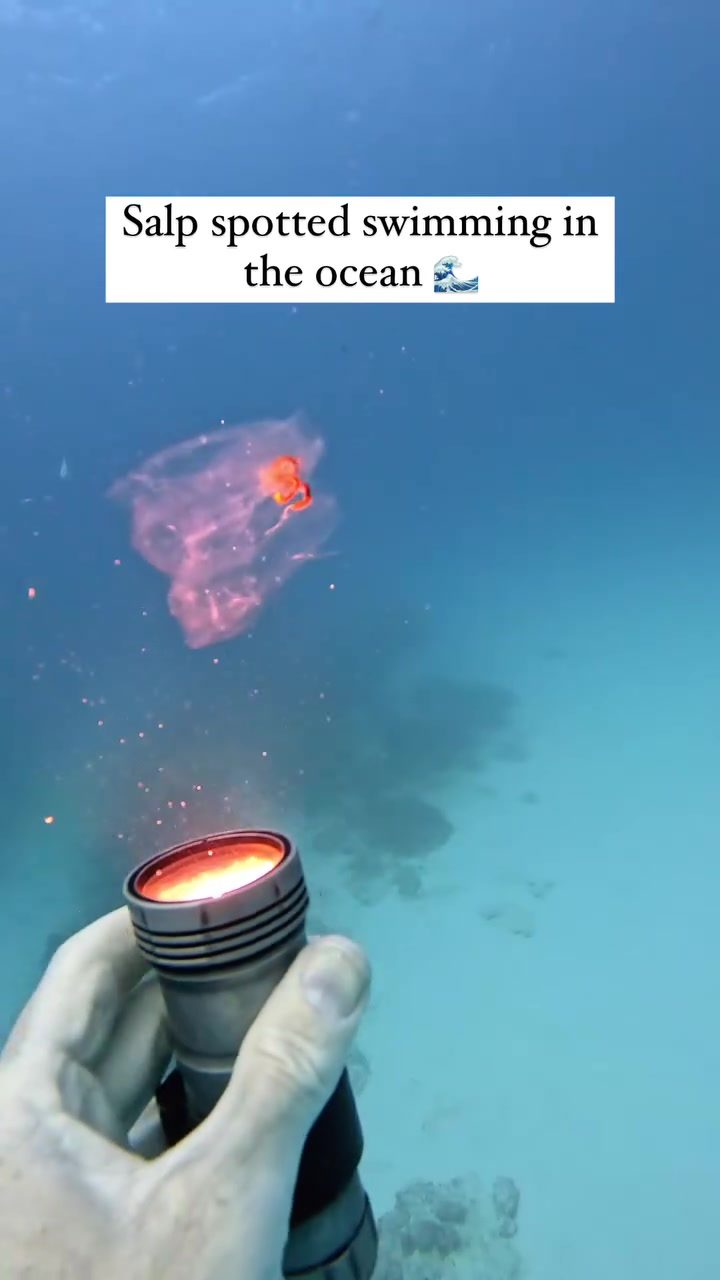
Salps: The Efficient Jet-Propelled Marine Organisms
Salps are often overlooked when exploring the wonders of the ocean, yet they are one of the fascinating and efficient jet-propelled organisms in the animal kingdom. These barrel-shaped, planktonic tunicates belong to the family Salpidae and are capable of remarkable feats of propulsion, creating a mesmerizing underwater spectacle.
Context / Why This Matters
The ocean is home to a diverse array of marine life, each with unique adaptations that enable them to thrive in their environments. Salps, with their efficient jet propulsion system, are a testament to the incredible variety and ingenuity of marine organisms. Understanding these creatures provides deeper insights into the complexities of ocean life and the role that these small organisms play in the marine ecosystem. Despite their simplicity, salps contribute significantly to the nutrient cycling and carbon sequestration in the ocean.
Main Discussion
What Are Salps?
Salps belong to a group of marine organisms known as tunicates. These creatures are named for their transparent, gelatinous bodies, which give them a distinctive, almost ethereal appearance. Salps move by contracting their bodies, pumping water through their gelatinous structures, which propels them forward. This unique mode of locomotion is one of the most efficient examples of jet propulsion in the animal kingdom.
Salp Biology and Behavior
Salps are free-swimming organisms, often found in large aggregations known as chains. These chains can form when individual salps reproduce asexually, creating a series of connected individuals. When viewed from a distance, these chains can resemble a massive, undulating ribbon moving gracefully through the water. Salps are filter feeders, using their mucous nets to capture plankton and other small particles, which they then consume for sustenance.
Efficient Jet Propulsion
One of the most remarkable aspects of salps is their method of movement. By contracting their bodies, salps pump water through their gelatinous structures, generating a powerful jet of water that propels them forward. This method of propulsion is highly efficient, allowing salps to move quickly and efficiently through the water with minimal energy expenditure. This efficiency is a key factor in their success as marine organisms.
Use of Flashlights to Illuminate Marine Life
Observing salps in their natural habitat can be a challenging task due to the vastness and depth of the ocean. Divers often use specialized equipment, such as underwater flashlights, to illuminate these delicate creatures. These flashlights help to highlight the transparent bodies and intricate movements of salps, revealing the beauty and complexity of these marine organisms.
The Role of Divers in Marine Exploration
Divers play a crucial role in exploring and documenting marine life. By venturing into the depths of the ocean, they provide valuable insights into the behavior and characteristics of various marine organisms, including salps. The footage of these encounters not only serves as a visual treat but also contributes to scientific research and understanding of the marine ecosystem.
Practical Tips
Observing Salps in the Wild
For those interested in observing salps in the wild, it's essential to be prepared with the right equipment and knowledge. Here are some practical tips:
- Use a Flashlight: A strong underwater flashlight can help illuminate the transparent bodies of salps, making them easier to see and observe in their natural habitat.
- Know the Best Times and Places: Salps are often found in large aggregations during specific times of the year and in certain regions. Researching the best times and locations can increase your chances of spotting these fascinating creatures.
- Respect Marine Life: Always maintain a safe distance from marine organisms and avoid disturbing their natural behavior. This ensures their well-being and provides a more authentic observation experience.
Important Takeaways
Salps are a remarkable example of the efficiency and beauty found in marine life. Their unique method of jet propulsion, combined with their gelatinous bodies, makes them a fascinating subject of study. Observing salps in their natural habitat can provide valuable insights into their behavior and contribute to our understanding of marine ecosystems. Whether through scientific research or recreational diving, salps offer a glimpse into the wonders of the ocean.
Conclusion
Salps, with their efficient jet propulsion and delicate, transparent bodies, are a marvel of marine biology. By understanding these remarkable creatures, we deepen our appreciation for the diverse and intricate web of life that thrives beneath the ocean's surface. Whether observed by divers or studied by scientists, salps continue to fascinate and inspire, serving as a reminder of the beauty and complexity of our natural world.
Questions readers ask
What are salps and why are they significant in marine ecosystems?
Salps are barrel-shaped, planktonic tunicates belonging to the Salpidae family. They are significant because they contribute to nutrient cycling and carbon sequestration, helping to maintain the balance of the marine ecosystem. Their graceful movements and efficient jet propulsion make them a fascinating subject for marine enthusiasts and researchers alike.
How do salps move through the water with such efficiency?
Salps use a unique jet propulsion system. By expelling water through a muscular contraction, they create a force that propels them smoothly through the ocean. This method allows them to move swiftly and efficiently, making them a remarkable example of marine adaptation.
What can divers expect to see when encountering salps underwater?
Divers may witness a mesmerizing underwater spectacle. Salps' graceful, smooth movements create a captivating visual experience. Their barrel-shaped bodies and effortless propulsion through the water make them a delight to observe.
Are salps part of the plankton?
Yes, salps are planktonic organisms. They drift with ocean currents and play a crucial role in the marine food web, serving as a food source for various marine animals. Their role in nutrient cycling is also significant, as they help transport nutrients from the deep ocean to the surface.
What is the role of salps in carbon sequestration?
Salps contribute to carbon sequestration by consuming phytoplankton and other microorganisms, which they then package into fecal pellets. These pellets sink to the ocean floor, effectively removing carbon from the upper layers of the ocean and helping to mitigate climate change.
Why are salps often overlooked in discussions about marine life?
Despite their importance, salps are often overlooked due to their small size and the fact that they are not as visually striking as some other marine creatures. However, their role in nutrient cycling, carbon sequestration, and their unique propulsion system make them a fascinating subject for those interested in marine organisms.
Related deep dives
Similar reads based on topic and creator.

Recent articles
Fresh deep dives from the latest Reels we unpacked.




Comments
Be the first to comment.