Samsung's Diverse Business Portfolio
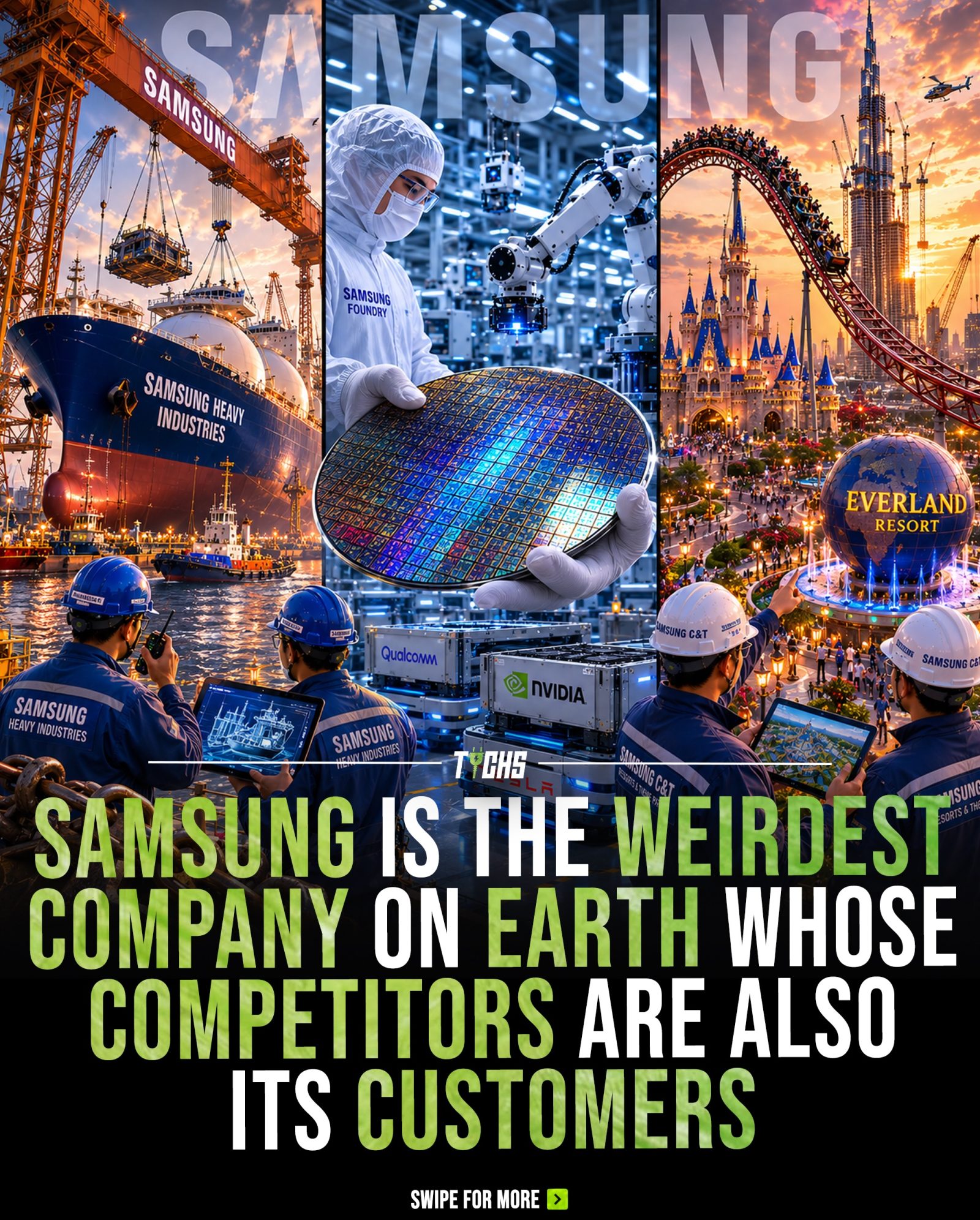
Samsung is known globally for its consumer electronics, particularly smartphones, but the company's influence extends far beyond these devices. Samsung operates across dozens of industries, from shipbuilding and industrial construction to semiconductor manufacturing and pharmaceuticals. Its unique business model allows it to supply critical components and services to companies that compete directly with its own products, making Samsung one of the most diversified companies in the world.
Why This Matters
Understanding Samsung's diverse business portfolio provides insight into the complexities of modern global technology. The company's ability to operate in multiple industries while competing with and supplying to the same customers highlights its strategic prowess and adaptability. This multifaceted approach is crucial in the rapidly evolving tech landscape, where versatility can be a significant competitive advantage.
Main Discussion
Diverse Industries
Samsung's operations span a wide range of industries, each with its own set of challenges and opportunities. The company is involved in shipbuilding through its subsidiary Samsung Heavy Industries, which is renowned for constructing large vessels and offshore structures. Additionally, Samsung Foundry is a leading player in the semiconductor industry, supplying chips to major tech companies like Qualcomm and NVIDIA. The company's involvement in pharmaceuticals is evident through Samsung Biologics, which has been instrumental in the manufacturing of COVID-19 vaccines under contract manufacturing agreements. This includes the manufacturing of Moderna’s vaccine, showcasing the company's capability in handling complex pharmaceutical processes.
Unique Business Model
Samsung’s business model is particularly intriguing because it involves competing with and supplying to the same customers. For instance, Samsung Foundry produces semiconductor chips that are used by companies like Qualcomm and NVIDIA, both of which compete with Samsung in the consumer electronics market. This dual role of competitor and supplier is a testament to Samsung's strategic flexibility and market dominance. It allows the company to leverage its strengths in various industries while maintaining a competitive edge.
Key Subsidiaries
Several key subsidiaries contribute to Samsung's diverse business portfolio:
-
Samsung Heavy Industries: Specializes in shipbuilding and industrial construction, including the construction of oil refineries and petrochemical plants. The company has worked on large-scale projects for major energy companies like Saudi Aramco.
-
Samsung Foundry: A leading semiconductor manufacturer, supplying chips to major tech companies. This division is crucial for the production of AI chips and other advanced semiconductor technologies.
-
Samsung Biologics: Focuses on pharmaceutical manufacturing, including the production of COVID-19 vaccines. The company operates under contract manufacturing agreements, showcasing its capability in handling complex biopharmaceutical processes.
-
Samsung C&T: Involved in construction and trade, including the development of large-scale infrastructure projects. This subsidiary plays a key role in Samsung's global construction endeavors.
-
Samsung Display and Samsung SDI: These subsidiaries focus on display technologies and battery production, respectively. While Samsung Display is known for its high-quality screens used in smartphones and other consumer electronics, Samsung SDI specializes in the production of batteries for electric vehicles and other applications.
-
Everland Resort: Adds to Samsung’s entertainment and leisure portfolio, offering theme parks and recreational activities that cater to a diverse audience.
Global Presence
Samsung’s global presence is evident in its diverse range of operations and strategic locations. The company has corporate headquarters and major facilities in various countries, reflecting its global reach and influence. This extensive presence allows Samsung to tap into different markets, leverage local talent, and adapt to regional regulations and consumer preferences.
Practical Tips
For businesses looking to emulate Samsung's success, here are some practical tips:
-
Diversify Your Portfolio: Expanding into multiple industries can help mitigate risks and capitalize on new opportunities. By diversifying, companies can ensure that they are not overly reliant on a single market or product.
-
Leverage Strategic Partnerships: Building strong relationships with both competitors and suppliers can create a robust network of strategic alliances. This dual role can open up new avenues for growth and innovation.
-
Invest in Innovation: Continuous investment in research and development is crucial for staying ahead in a competitive market. This allows companies to introduce new products and technologies that can drive growth and maintain market leadership.
Important Takeaways
-
Samsung’s diverse business portfolio includes shipbuilding, semiconductor manufacturing, pharmaceuticals, and entertainment, among others.
-
The company's unique business model involves competing with and supplying to the same customers, showcasing its strategic flexibility.
-
Samsung's key subsidiaries, such as Samsung Heavy Industries, Samsung Foundry, and Samsung Biologics, play crucial roles in the company's success and diversification.
-
Understanding Samsung's global presence and strategic partnerships provides valuable insights into how companies can thrive in a competitive market.
Conclusion
Samsung's diverse business portfolio is a testament to its strategic prowess and market dominance. By operating in multiple industries and adopting a unique business model, the company has positioned itself as a leader in the global technology landscape. The insights gained from Samsung's operations can provide valuable lessons for businesses aiming to diversify their portfolios and stay competitive.
Questions readers ask
How does Samsung's business model enable it to compete with and supply to the same customers?
Samsung's business model is designed to be highly versatile, allowing the company to produce and supply critical components and services to other companies, even if those companies are direct competitors in the same market. This model allows Samsung to generate revenue from both its products and its supply chain, thereby ensuring stable revenue streams and fostering its competitive advantage.
What are some of the key industries that Samsung operates in beyond consumer electronics?
Samsung's global operations extend into a wide range of industries, including semiconductor manufacturing, pharmaceuticals, shipbuilding, and industrial construction. The company is notably involved in building skyscrapers and producing medical products, such as vaccines, highlighting its extensive and varied industrial reach.
How has Samsung contributed to the global response to COVID-19?
During the COVID-19 pandemic, Samsung has played a crucial role by leveraging its expertise in pharmaceuticals to manufacture vaccines and medical products. This contribution demonstrates the company’s ability to pivot and address global health crises, showcasing its versatility and commitment to public health.
Can you give an example of how Samsung's global operations impact modern technology?
Samsung's global operations impact modern technology in numerous ways, such as through its semiconductor production. This component is essential for many electronic devices, including smartphones and other consumer electronics. By supplying these critical components, Samsung supports the entire tech ecosystem, driving innovation and competition.
What does Samsung's involvement in shipbuilding and industrial construction signify about the company’s capabilities?
Samsung's involvement in shipbuilding and industrial construction signifies its extensive engineering and manufacturing capabilities. These projects require precise planning, advanced technology, and considerable resources, further illustrating Samsung’s ability to handle complex, large-scale projects and maintain a strong presence in diverse industries.
How does Samsung’s product versatility benefit its customers and the market?
Samsung's product versatility allows it to adapt to various market needs, ensuring a steady supply of essential components and products. This versatility benefits customers by providing them with reliable, high-quality parts and services, while also fostering innovation and competition within the market.
What makes Samsung’s unique business model so effective in the ever-evolving market?
Samsung’s unique business model is effective because it allows the company to operate in multiple industries simultaneously, generating revenue from both its products and its supply chain. This adaptability enables Samsung to remain competitive and relevant, even as market conditions and customer needs change over time.
Related deep dives
Similar reads based on topic and creator.




Recent articles
Fresh deep dives from the latest Reels we unpacked.




Comments
Be the first to comment.