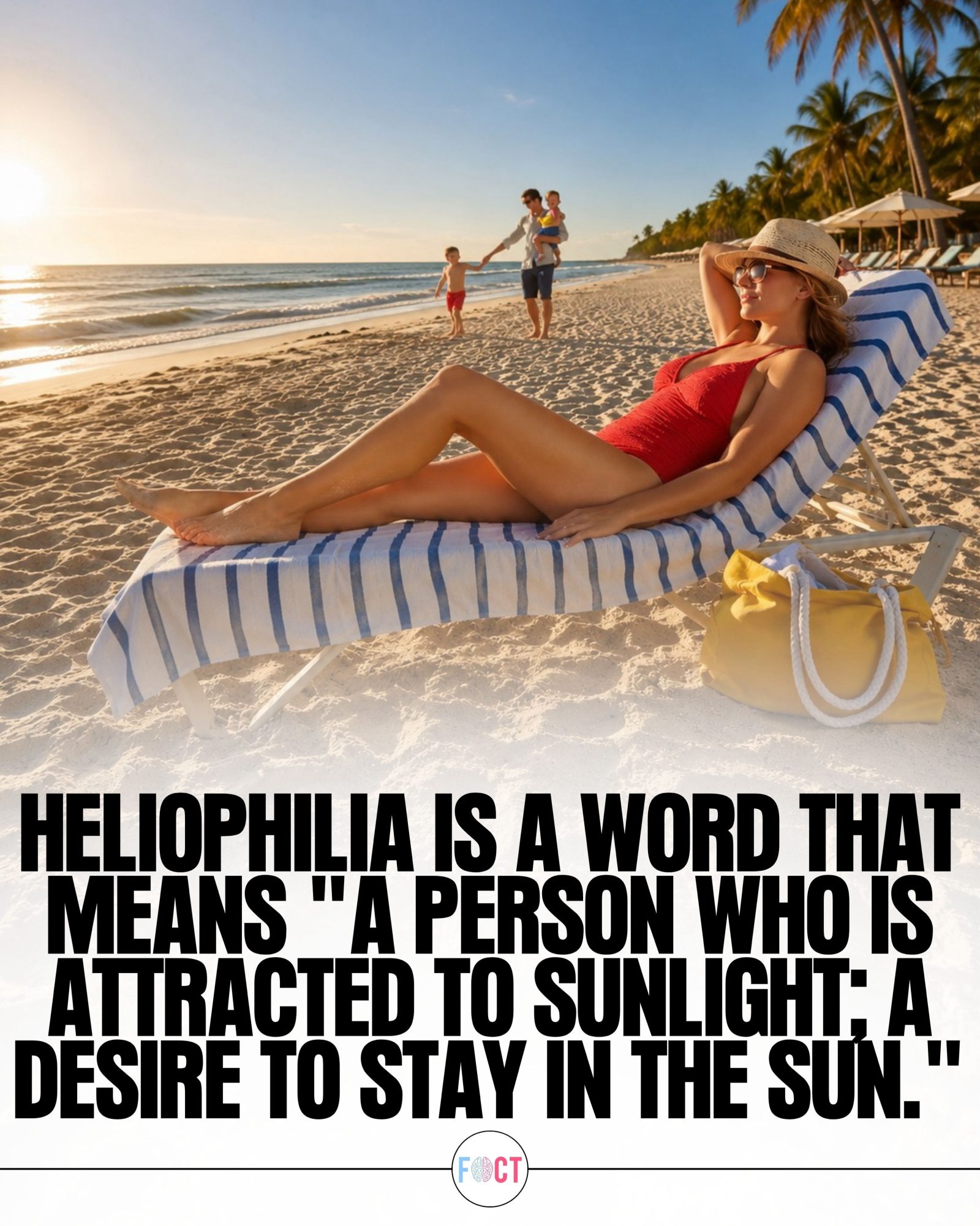
Heliophilia: Embracing the Love of Sunlight
Why This Matters
Heliophilia, a term that describes an individual's deep affection and attraction to sunlight, offers a unique lens through which to explore human behavior and preferences. Understanding this concept can provide insights into how sunlight influences our daily lives, well-being, and even our leisure activities.
Sunlight plays a crucial role in regulating our circadian rhythms, which in turn affects our sleep patterns, mood, and overall health. For those with heliophilia, the desire to be in the sun goes beyond mere enjoyment; it's an essential part of their well-being. This attraction to sunlight can manifest in various ways, from spending leisure time outdoors to actively seeking out sunny locations for vacations and daily activities.
Understanding Heliophilia
The Definition of Heliophilia
Heliophilia refers to a strong attraction to sunlight, often described as a fondness for sunshine and a desire to be in the sun. This term encapsulates the joy and satisfaction that many people derive from being in bright, sunny environments. It is an adaptation or preference for sunlight, which can vary in intensity from person to person.
The Science Behind Heliophilia
The Role of Sunlight in Human Health
Sunlight is a natural source of vitamin D, which is essential for bone health, immune function, and mental well-being. Exposure to sunlight can help regulate mood, reduce symptoms of depression, and improve overall mental health. For individuals with heliophilia, spending time in the sun is not just a pleasure but a necessity for maintaining their physical and emotional well-being.
Circadian Rhythms and Sunlight
Circadian rhythms are the body’s internal clock, which regulates various physiological processes, including sleep-wake cycles, hormone release, and body temperature. Sunlight is a primary external cue that helps synchronize these rhythms. Exposure to natural light during the day helps promote alertness and productivity, while darkness at night signals the body to produce melatonin, a hormone that regulates sleep.
The Psychological Impact of Sunlight
Sunlight has a profound psychological impact. It can enhance mood, reduce stress, and improve overall mental health. For those with heliophilia, the positive effects of sunlight are even more pronounced. Being in the sun can boost their energy levels, reduce anxiety, and create a sense of contentment and happiness. It’s not just about physical health; it’s about emotional well-being and mental clarity.
Adaptation and Preference for Sunlight
Heliophilia can be seen as an adaptation or a preference for sunlight. Some people are naturally drawn to sunny environments and thrive in them. This preference can be influenced by genetic factors, personal experiences, and cultural practices. For instance, individuals who grow up in sunny climates may have a stronger affinity for sunlight compared to those who live in regions with less sunlight.
Cultural and Social Implications
Healiophilia in Daily Life
In daily life, heliophilia can influence everything from leisure activities to work habits. People with heliophilia might choose outdoor jobs, opt for sunny vacations, or simply make sure to spend a significant portion of their day in the sun. They might prefer beach vacations, outdoor sports, or activities like gardening and hiking.
The Impact on Leisure Activities
Healiophilia often shapes leisure activities. Individuals with this trait may prefer beach vacations, outdoor sports, and activities like gardening and hiking. They might also choose to live in sunny climates, such as coastal areas, deserts, or tropical regions, where sunlight is abundant.
Social Gatherings and Community
Sunlight can also play a role in social gatherings and community activities. People with heliophilia might prefer outdoor events, picnics, and beach parties. This attraction to sunlight can foster a sense of community and shared enjoyment, as people gather in sunny spots to relax, socialize, and have fun.
Practical Tips for Embracing Heliophilia
If you identify with heliophilia or simply enjoy the benefits of sunlight, here are some practical tips to help you make the most of your love for the sun:
Create a Sun-Friendly Environment
Incorporate natural light into your home and workspace. Open curtains and blinds to let sunlight in, and consider adding skylights or large windows to maximize sunlight exposure. Decorative plants and natural materials can further enhance the sunny ambiance.
Plan Sun-Centric Activities
Schedule your day to include outdoor activities that allow you to enjoy the sun. Whether it’s a morning walk, a beach day, or an afternoon picnic, make sure to include time spent in the sun regularly. This can be as simple as having your coffee on the porch or as involved as planning a weekend getaway to a sunny destination.
Maintain Sun Protection
While embracing the benefits of sunlight, it's essential to protect your skin from harmful UV rays. Use sunscreen, wear protective clothing, and consider wearing a hat or sunglasses. Regularly check your skin for any unusual changes and consult a dermatologist if you have concerns about sun damage.
Incorporate Sunlight into Your Routine
Make sunlight a part of your daily routine. Whether it’s a morning yoga session on the balcony, a lunch break in the park, or an evening walk, finding ways to incorporate sunlight into your daily activities can significantly enhance your well-being.
Important Takeaways
- Sunlight is Essential for Well-being: Understanding the benefits of sunlight and how it affects your mood, health, and overall well-being.
- Creating a Sunny Environment: Practical tips for incorporating sunlight into your daily routine, from your home to outdoor activities.
- The Psychological Benefits: The positive impact of sunlight on mental health, including reducing stress and improving mood.
- Healiophilia and Adaptation: Recognizing heliophilia as a natural adaptation or preference for sunlight, and how it influences daily life and leisure activities.
Conclusion
Embracing heliophilia can enrich your life in numerous ways, from improving your physical health to enhancing your mental well-being. Whether you choose to spend more time outdoors, create a sun-friendly environment at home, or simply enjoy the benefits of natural light, heliophilia offers a unique perspective on the importance of sunlight in our lives. By understanding and embracing this attraction to sunlight, you can lead a more fulfilling and healthier lifestyle.
Questions readers ask
What exactly is heliophilia and why is it important?
Heliophilia is a term used to describe a strong attraction and enjoyment of sunlight. It is important because it helps explain how sunlight influences our daily routines, leisure activities, and overall well-being. By understanding heliophilia, we can gain insights into why some people are drawn to sunlight and how it affects their lives.
How does sunlight influence our daily routines?
Sunlight plays a significant role in regulating our circadian rhythms, which are the internal processes that regulate our sleep-wake cycles. For those with heliophilia, this means they may naturally seek out sunlight during the day to maintain their energy levels and mood. This can influence when they wake up, when they go to bed, and when they choose to engage in outdoor activities.
In what ways does sunlight impact our mood?
Sunlight has a positive impact on mood by stimulating the production of serotonin, often referred to as the 'happy hormone.' For individuals with heliophilia, spending time in the sun can lead to improved mood, reduced stress, and even enhanced creativity. This is why sunny locations and beach vacations are often preferred, as they provide ample sunlight.
Why do some people prefer sunny locations for their vacations?
People with heliophilia are often drawn to sunny locations for vacations because they enjoy the warmth, brightness, and overall positive energy that comes with being in the sun. These environments provide opportunities to engage in various outdoor leisure activities, which can enhance their overall experience and well-being.
What are some health benefits associated with sunlight exposure?
Sunlight exposure has several health benefits, including the production of vitamin D, which is essential for bone health and immune function. Additionally, sunlight can help regulate sleep patterns, improve mood, and reduce the risk of certain health conditions, such as seasonal affective disorder (SAD). For those with heliophilia, these benefits are often amplified, making sunlight an integral part of their daily lives.
How can heliophilia influence leisure activities?
For individuals with heliophilia, leisure activities often revolve around being outdoors and enjoying the sun. This can include activities like beach-going, hiking, gardening, and other outdoor pursuits. These activities not only provide enjoyment but also contribute to their overall well-being and happiness.
How might heliophilia affect sleep patterns?
Helophilia influences sleep patterns by aligning daily routines with natural light. Exposure to sunlight during the day helps regulate the body's internal clock, promoting better sleep at night. This is because sunlight exposure suppresses the production of melatonin, a hormone that regulates sleep, during the day and boosts it at night leading to better sleep quality.
Related deep dives
Similar reads based on topic and creator.




Recent articles
Fresh deep dives from the latest Reels we unpacked.




Comments
Be the first to comment.