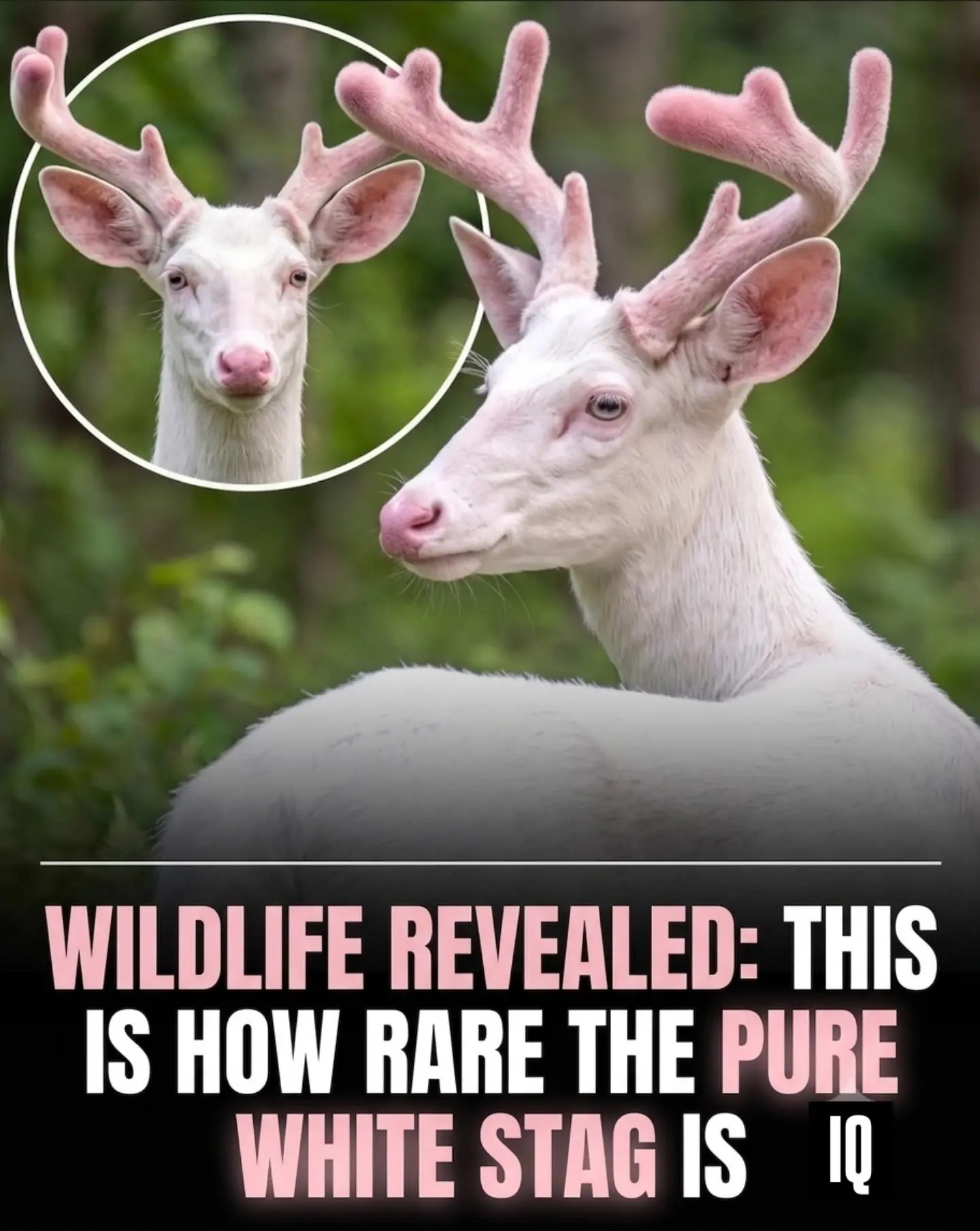
The Rare and Enchanting Pure White Stag
The pure white stag is one of nature's most extraordinary and elusive creatures. Its striking appearance, characterized by a pure white coat and impressive antlers, makes it a subject of fascination for wildlife enthusiasts and photographers alike. The rarity of this magnificent animal adds to its allure, making sightings and documentation of these stags a significant event.
The Significance and Mystery of the Pure White Stag
The pure white stag is not just a captivating sight; it also holds deep cultural and symbolic significance. In many cultures, the white stag is seen as a symbol of purity, grace, and transformation. Its rarity amplifies its mystique, making it a subject of legend and folklore.
Scientific Rarity
From a scientific perspective, the pure white stag is a rarity due to genetic mutations. Albinism or leucism are the primary causes of this unique coloration. Albinism affects the production of melanin, resulting in a completely white coat and often red or pink eyes. Leucism, on the other hand, results in a partial loss of pigmentation, leading to a white coat but with normal-colored eyes. Both conditions are relatively rare in wildlife, making the pure white stag a remarkable sight.
Cultural and Symbolic Significance
In various cultures, the white stag is often associated with mythical and spiritual themes. In Celtic mythology, the white stag is a symbol of the otherworld and is often depicted as a guide to the realm of the fae. In Norse mythology, the white stag is linked to the god Odin and is seen as a symbol of wisdom and knowledge. These cultural portrayals add layers of intrigue and fascination to the pure white stag.
The Natural Habitat and Behavior of the Pure White Stag
The pure white stag inhabits various natural settings, similar to other deer species. They are typically found in forests, meadows, and wooded areas where they can blend into the surroundings despite their unique coloration. Their behavior, including feeding, mating, and territorial displays, is largely similar to other stags, but their distinctive appearance often makes them more elusive.
Adaptations and Challenges
The pure white coat of the stag poses unique challenges in the wild. While it may help in blending into snowy environments, it also makes them more visible in other settings, increasing their vulnerability to predators. Despite these challenges, pure white stags have evolved strategies to survive, such as heightened alertness and a strong sense of smell, helping them avoid predators.
Practical Tips for Spotting a Pure White Stag
Spotting a pure white stag is a rare and rewarding experience. Here are some practical tips to increase your chances of witnessing this extraordinary animal:
Choose the Right Location
Pure white stags are most commonly found in areas with dense foliage and varied landscapes. National parks, wildlife reserves, and protected forests are ideal locations. Researching areas known for high deer populations can also increase your chances.
Timing is Key
The best times to spot a pure white stag are during dawn and dusk when these animals are most active. During these hours, the lighting conditions can also make the white coat more visible against the backdrop of the forest.
Be Patient and Quiet
Wildlife sightings often require patience and stillness. Move quietly and avoid making loud noises. Use binoculars or a camera with a telephoto lens to observe from a distance without disturbing the animal.
Respect the Environment
Always follow guidelines for responsible wildlife viewing. Maintain a safe distance, do not feed or approach the animals, and leave the environment as you found it. Respecting the natural habitat ensures that future generations can also enjoy these incredible sights.
Important Takeaways
The pure white stag is a rare and enchanting creature that embodies both natural wonder and cultural significance. Its striking appearance and elusive nature make it a subject of fascination for wildlife enthusiasts and photographers. Understanding its scientific rarity, cultural symbolism, and natural behavior can enhance the appreciation for this magnificent animal. Whether you are a wildlife enthusiast or a casual observer, spotting a pure white stag is a memorable experience that brings a deeper connection to nature.
Conclusion
The pure white stag stands as a testament to the beauty and mystery of the natural world. Its rarity and unique appearance make it a subject of awe and wonder. By understanding its significance, habitat, and behavior, we can better appreciate and preserve this extraordinary creature. The next time you venture into the wilderness, keep an eye out for this enchanting sight—the pure white stag.
Questions readers ask
What makes the pure white stag stand out among other wildlife species?
The pure white stag is immediately recognizable due to its striking white coat and impressive antlers. These physical traits make it a highly sought-after subject for photographers and wildlife enthusiasts, as it stands out vividly against natural settings.
Are there any cultural significances associated with the pure white stag?
Yes, the pure white stag holds deep cultural significance in many societies. It is often seen as a symbol of purity, grace, and transformation. This has led to its prominent role in various legends and folktales, adding to its mystique.
What causes the pure white coat of the white stag?
The pure white coat of the stag is due to a unique genetic trait. This trait can result from a recessive gene that, when inherited from both parents, causes the absence of pigment in the hair, resulting in a striking white coat.
Why are sightings of the rare white stag so significant?
Because of their rarity, sightings of the pure white stag are considered significant events. The elusive nature of the animal makes encounters with it highly valuable to both wildlife enthusiasts and photographers.
How do photographers capture close-up images of the white stag in its natural setting?
Capturing close-up images of the white stag in its natural setting often requires patience, skill, and a deep understanding of the animal’s behavior. Photographers typically use specialized equipment and techniques, such as telephoto lenses and camouflage, to minimize disturbance and get high-quality shots.
What should wildlife enthusiasts do if they encounter a pure white stag?
If you encounter a pure white stag, maintain a safe and respectful distance to avoid disturbing the animal. Observe from afar and use binoculars or a camera with a telephoto lens to capture images. Remember, the welfare of the animal should always be the top priority.
Are there any notable differences between the pure white stag and other white-colored animals?
The pure white stag is distinct from other white-colored animals due to its unique genetic makeup and the rarity of its white coat. Unlike albino animals, which lack pigment entirely and often have red or pink eyes, the pure white stag has a normal eye color and a coat that is purely white due to a specific genetic mutation.
Related deep dives
Similar reads based on topic and creator.




Recent articles
Fresh deep dives from the latest Reels we unpacked.




Comments
Be the first to comment.