Understanding the Gravity Aging Hypothesis and Its Link to Smartwatch Technology
The Gravity Aging Hypothesis is a compelling theory that suggests a connection between gravity, aging, and smartwatch technology. This hypothesis, proposed by Dipinder Goyal, founder of the experimental smart wearable device TEMPL, posits that gravity might be one of the primary reasons we age. As humans stand upright, gravity slowly makes it harder for blood to flow optimally to the brain over many years. This reduced blood flow to the brain can lead to an aging brain, which eventually contributes to an aging body.
Why This Matters
Understanding the mechanisms behind aging is crucial for developing interventions that can slow down or even reverse the aging process. The Gravity Aging Hypothesis offers a novel perspective by focusing on the effects of gravity on blood flow to the brain. This hypothesis could pave the way for new technologies and therapies aimed at improving brain health and prolonging youthful vitality. The TEMPL device, developed by Dipinder Goyal, is a key player in this research, as it continuously tracks blood flow to the brain, providing valuable data for understanding the aging process.
The Gravity Aging Hypothesis
The Role of Gravity in Aging
Gravity is a constant force that affects every living organism on Earth. When humans stand upright, gravity pulls blood away from the brain, making it harder for blood to flow optimally to this vital organ. Over many years, this reduced blood flow can lead to an aging brain, which in turn contributes to an aging body. The Gravity Aging Hypothesis suggests that this gravitational pull on blood flow is one of the reasons we age. By understanding this mechanism, researchers hope to develop interventions that can mitigate the effects of gravity on blood flow and slow down the aging process.
TEMPL: The Experimental Smart Wearable
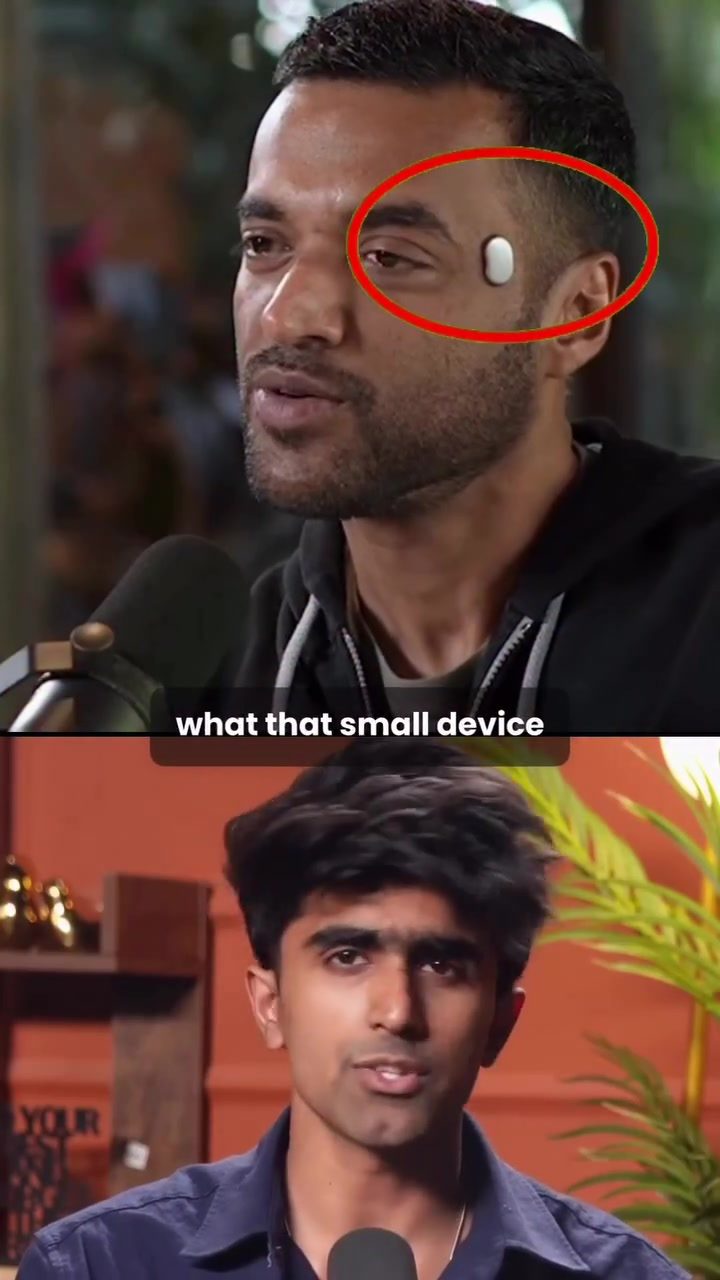
The TEMPL device, founded by Dipinder Goyal, is an experimental smart wearable that sits near the forehead and continuously tracks blood flow to the brain. Unlike regular smartwatches, TEMPL measures real-time cerebral blood flow, providing valuable data for understanding the aging process. The device is currently in the research phase and is being used mainly by Dipinder Goyal and research institutions to collect long-term data. The insights from this data are expected to be analyzed using advanced algorithms and AI to spot patterns related to brain health and aging. If this research gets validated and approved, we may see many people wearing TEMPL in the future.
The Connection to Smartwatches
Smartwatches have become ubiquitous in recent years, tracking various aspects of our health and fitness. The Gravity Aging Hypothesis and the TEMPL device represent a new frontier in smartwatch technology, focusing on brain health and aging. By continuously tracking blood flow to the brain, the TEMPL device provides valuable data that can be used to develop new interventions aimed at slowing down the aging process. This research could pave the way for a new generation of smartwatches that are designed to improve brain health and prolong youthful vitality.
Practical Tips
Incorporating the Gravity Aging Hypothesis into Daily Life
While the TEMPL device is still in the research phase, there are several practical tips that can be incorporated into daily life to mitigate the effects of gravity on blood flow to the brain:
- Maintain Good Posture: Good posture can help to minimize the effects of gravity on blood flow to the brain. Try to stand and sit upright, with your shoulders back and your head held high.
- Take Frequent Breaks: If you spend a lot of time sitting or standing in one position, take frequent breaks to move around and stretch. This can help to improve blood flow to the brain and reduce the effects of gravity.
- Stay Hydrated: Dehydration can make it harder for blood to flow to the brain. Make sure to drink plenty of water throughout the day to stay hydrated and support optimal blood flow.
Important Takeaways
The Gravity Aging Hypothesis offers a novel perspective on the aging process, suggesting that gravity might be one of the primary reasons we age. The TEMPL device, developed by Dipinder Goyal, is a key player in this research, as it continuously tracks blood flow to the brain, providing valuable data for understanding the aging process. By incorporating practical tips into daily life, such as maintaining good posture, taking frequent breaks, and staying hydrated, individuals can mitigate the effects of gravity on blood flow to the brain and support optimal brain health.
Conclusion
The Gravity Aging Hypothesis and the TEMPL device represent a new frontier in smartwatch technology, focusing on brain health and aging. By continuously tracking blood flow to the brain, the TEMPL device provides valuable data that can be used to develop new interventions aimed at slowing down the aging process. As research continues, we may see many people wearing TEMPL and other similar devices in the future, paving the way for a new generation of smartwatches designed to improve brain health and prolong youthful vitality.
Questions readers ask
What is the Gravity Aging Hypothesis proposed by Dipinder Goyal?
The Gravity Aging Hypothesis, proposed by Dipinder Goyal, founder of the TEMPL smart device, suggest that gravity's effect on blood flow to the brain is a key factor in the aging process. As we age, gravity can make it more difficult for blood to reach the brain, leading to cognitive decline and overall bodily aging.
How does gravity affect blood flow to the brain according to Dipinder Goyal's research?
According to Dipinder Goyal's research, gravity can impede blood flow to the brain over time. This is due to the upright posture of humans, which causes blood to flow against gravity, making it harder for the brain to receive an optimal supply of blood as we age.
What is the TEMPL smart device and its role in Dipinder Goyal's research?
The TEMPL smart device is an experimental wearable device developed by Dipinder Goyal. It is designed to monitor and analyze various health metrics, including those related to the Gravity Aging Hypothesis, such as blood flow dynamics and their impact on aging.
What is the connection between the Gravity Aging Hypothesis and smartwatch health tracking?
The Gravity Aging Hypothesis leverages the capabilities of smartwatch health tracking to gather data on physiological parameters affected by gravity. This includes heart rate, blood pressure, and blood flow, which can provide insights into how gravity influences aging.
How can the Gravity Aging Hypothesis influence future aging research?
The Gravity Aging Hypothesis can influence future aging research by providing a new perspective on the factors contributing to aging. By investigating the impact of gravity on blood flow to the brain, researchers can develop innovative interventions to mitigate age-related cognitive and physical decline, and contribute to the broader 2023 aging research.
What are some of the factors that contribute to brain aging, according to the Gravity Aging Hypothesis?
According to the Gravity Aging Hypothesis, one of the key factors contributing to brain aging is the reduced blood flow to the brain caused by gravity. This hypothesis suggests that over time, gravity's effect on blood circulation can lead to cognitive decline and other age-related issues.
How might understanding the Gravity Aging Hypothesis help in the development of anti-aging interventions?
By understanding the Gravity Aging Hypothesis, researchers can develop targeted interventions to improve blood flow to the brain, thereby potentially slowing down or reversing the aging process. This could include lifestyle changes, fitness regimens, or even technological innovations like the TEMPL smart device.
Recent articles
Fresh deep dives from the latest Reels we unpacked.




Comments
Be the first to comment.