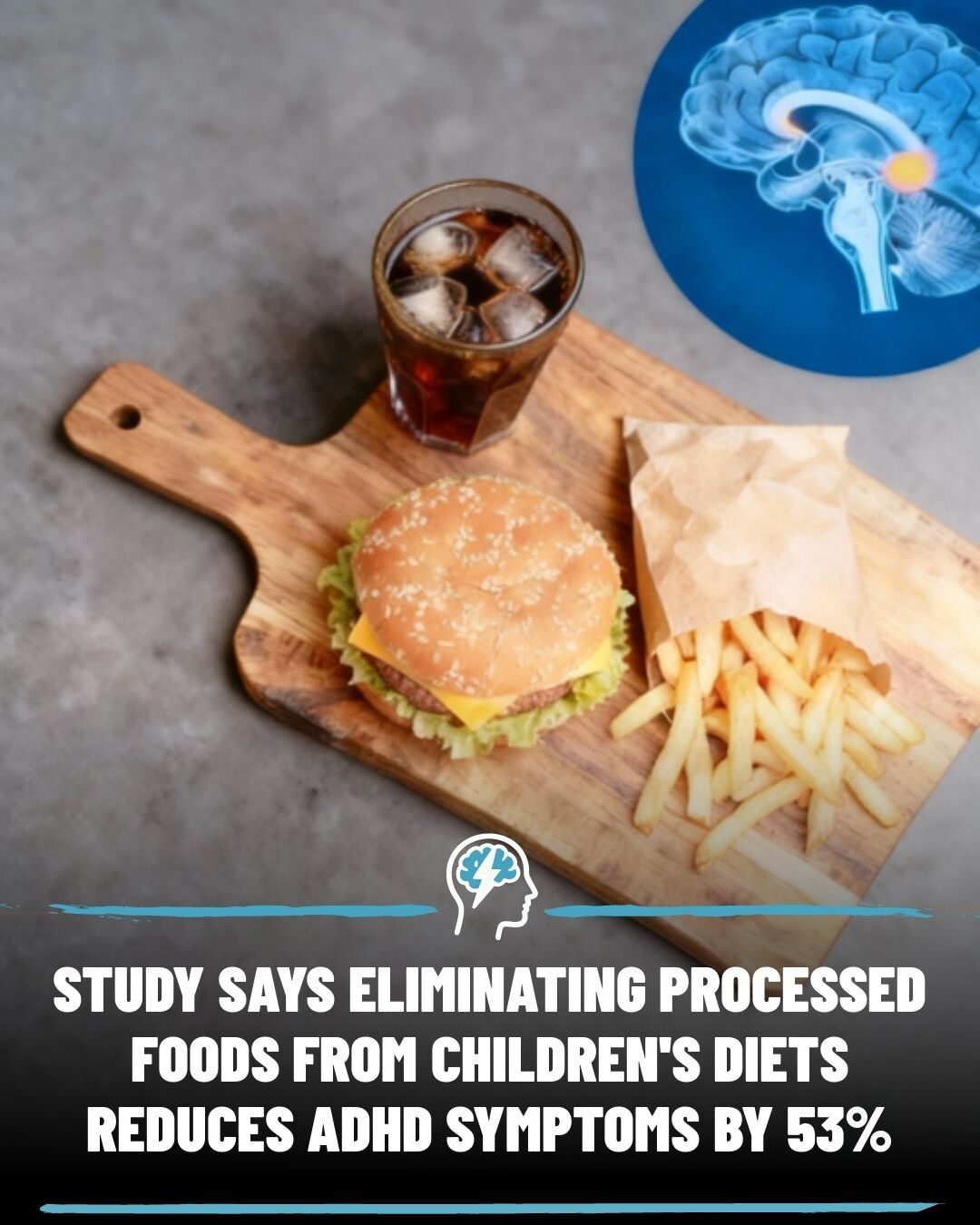
Diet and ADHD
Children with ADHD, their caregivers, and healthcare providers are increasingly exploring the role of diet in managing ADHD symptoms. Understanding the connection between nutrition and ADHD can provide valuable insights into a holistic approach to symptom management.
Why this matters
ADHD, or Attention Deficit Hyperactivity Disorder, is a neurodevelopmental condition characterized by symptoms such as inattention, hyperactivity, and impulsivity. It affects millions of children worldwide, impacting their academic performance, social interactions, and overall quality of life. While traditional treatments include medication and behavioral therapy, there is growing interest in the potential benefits of dietary interventions.
Main discussion
The impact of processed foods on ADHD
A significant body of research, including a landmark study published in The Lancet, indicates that processed foods may worsen ADHD symptoms in children. The study involved 100 children with ADHD who were placed on a highly restricted elimination diet for five weeks. During this period, 78% of the children showed reduced symptoms. However, when certain foods were reintroduced, 63% experienced a relapse. This suggests that specific dietary components can trigger or exacerbate ADHD symptoms in susceptible individuals.
Key findings from the study
The study highlights several pathways through which processed foods may worsen ADHD:
- Artificial colorings and preservatives: These additives are known to trigger adverse reactions in some children, leading to increased hyperactivity and inattention.
- Refined sugars and saturated fats: These ingredients can impair neural function, affecting cognitive performance and behavior.
- Lack of micronutrients: Processed foods often lack essential micronutrients such as zinc, magnesium, and iron, which are crucial for brain function and are frequently lower in children with ADHD.
The elimination diet approach
The study used a very specific elimination diet approach. Children were allowed to consume only rice, meat, vegetables, pears, and water for five weeks. This strict diet helped identify individual food triggers by reintroducing foods one by one. This method allowed researchers to pinpoint specific foods that caused symptom relapse in the children.
Understanding the brain's response to diet
Research suggests that the brain's response to diet can vary significantly among individuals. For some children, reducing processed foods and artificial additives may help support symptom management alongside other interventions. However, it is essential to recognize that diet alone is not a cure for ADHD, and results can vary significantly by individual.
Practical tips
Working with a healthcare provider
If you are considering dietary changes for your child with ADHD, it is crucial to work with a healthcare provider. A professional can help identify potential triggers safely and ensure that any elimination diet is nutritionally balanced. This approach requires careful planning to avoid deficiencies and maintain overall health.
Gradual dietary changes
Rather than implementing a strict elimination diet immediately, consider gradual dietary changes. This approach can help identify specific triggers without causing undue stress or nutritional deficiencies. For example, you can start by reducing processed foods and artificial additives gradually and monitoring your child's symptoms.
Incorporating whole foods
Focus on incorporating whole foods into your child's diet. Foods rich in essential nutrients, such as fruits, vegetables, lean proteins, and whole grains, can support overall brain function and potentially reduce ADHD symptoms. Pay particular attention to foods high in zinc, magnesium, and iron, as these micronutrients are often lower in children with ADHD.
Staying informed
Stay informed about the latest research on ADHD and diet. The field of nutrition and its impact on mental health is continually evolving. Keeping up with the latest findings can provide valuable insights and new strategies for managing ADHD symptoms.
Monitoring progress
Regularly monitor your child's progress and adjust the diet as needed. Keep a food diary to track what your child eats and any changes in symptoms. This can help identify specific triggers and tailor the diet to your child's unique needs.
Important takeaways
The link between diet and ADHD is complex and multifaceted. While processed foods and artificial additives may exacerbate symptoms in some children, dietary interventions alone are not a cure for ADHD. A comprehensive approach that includes professional guidance, careful planning, and regular monitoring can help support symptom management and improve overall quality of life.
Conclusion
Diet plays a critical role in overall health and well-being, and this extends to brain function and ADHD symptom management. By understanding the impact of diet on ADHD and implementing thoughtful dietary changes, caregivers and healthcare providers can support children with ADHD in managing their symptoms effectively. Whether through gradual dietary changes, whole food incorporation, or professional guidance, the potential benefits of a well-planned diet cannot be overlooked. Always remember that each child is unique, and what works for one may not work for another.
Questions readers ask
What foods should be avoided in an ADHD diet?
Certain foods can exacerbate ADHD symptoms. Processed foods, artificial food coloring, and high-sugar foods are commonly recommended to avoid. Some children may also be sensitive to foods like dairy, gluten, or specific allergens, so an elimination diet may be helpful in identifying triggers.
How does diet impact ADHD symptoms?
Diet can significantly influence ADHD symptoms. Some foods can alleviate symptoms like inattention and hyperactivity, while others may exacerbate them. Certain nutrients, such as omega-3 fatty acids, have been shown to improve brain function and reduce symptom severity.
What is the ADHD elimination diet?
The ADHD elimination diet involves removing common food allergens, such as dairy, gluten, and certain preservatives, from a child's diet to identify if these foods are contributing to their ADHD symptoms. If symptoms improve, foods are gradually reintroduced to pinpoint specific triggers.
What are the best foods for managing ADHD symptoms?
Foods rich in omega-3 fatty acids, such as fatty fish (salmon, mackerel) and walnuts, are beneficial. Additionally, fruits, vegetables, lean proteins, and whole grains provide essential nutrients that support overall brain health and function, potentially easing ADHD symptoms.
Are there specific ADHD diet plans for children?
Yes, there are diet plans such as the Feingold Diet and the SPECTRUM Diet, that focus on eliminating artificial additives, refined sugars, and other potential triggers. These plans are designed to help manage ADHD symptoms in children by promoting a balanced and nutrient-rich diet.
What does recent research say about ADHD and nutrition?
Recent studies, including the Lancet study, have shown that dietary interventions can positively impact ADHD symptoms. These findings suggest that a well-planned diet can be a valuable part of a comprehensive approach to managing ADHD, potentially reducing the need for medication or other interventions.
Recent articles
Fresh deep dives from the latest Reels we unpacked.




Comments
Be the first to comment.