Diet Coke and the Unlikely Treatment of Gastric Blockages
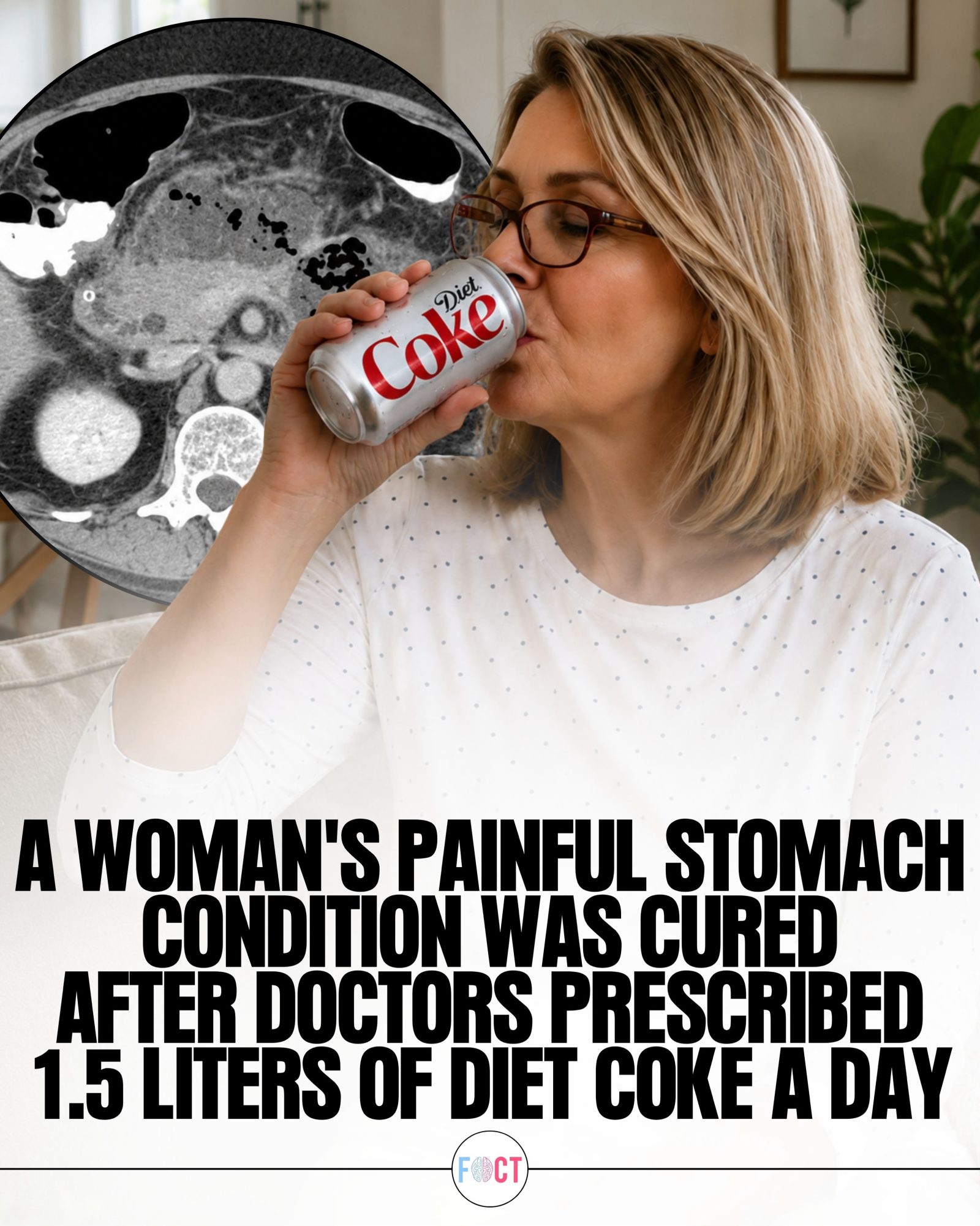
Diet Coke, a popular soft drink, has been at the center of an unusual medical story involving a 63-year-old woman. The woman, suffering from a painful stomach blockage, found relief through an unexpected remedy: drinking 1.5 liters of Diet Coke daily. The acidity and carbonation in the soda helped dissolve a "gastric bezoar"—a large clump of undigested food. This non-invasive treatment eliminated the need for surgery.
Why This Matters
The story of Diet Coke and gastric bezoars is more than just an unusual medical anecdote. It highlights the innovative ways doctors approach treatment and the surprising role everyday products can play in medical care. Additionally, it emphasizes the importance of understanding the properties of common substances and their potential applications in healthcare.
The Role of Diet Coke in Medical Treatment
Gastric Bezoars and Their Causes
Gastric bezoars are tight masses of undigested food that can form in the stomach. This condition is often associated with the use of medications like semaglutide, a GLP-1 weight-loss drug commonly known by its brand names Ozempic or Wegovy. These drugs slow down the stomach's emptying rate, allowing food fibers to accumulate and form bezoars.
The Chemistry Behind Diet Coke's Effectiveness
Diet Coke's effectiveness in treating gastric bezoars is attributed to its chemical makeup. The soda contains carbonic and phosphoric acids, which have a pH of roughly 2.6. These acids mimic the natural stomach acids that help break down indigestible fibers. The carbon dioxide bubbles in the soda also assist in loosening the mass, making it easier to dissolve.
The Treatment Process
In the case of the 63-year-old woman, doctors prescribed 1.5 liters of Diet Coke daily due to her Type 2 diabetes. Standard soda was avoided because of the high sugar content, which would have been detrimental to her condition. The treatment was administered for just two days, after which her discomfort completely vanished. Follow-up examinations confirmed that the mass had dissolved, verifying the success of this unconventional treatment.
Other Uses of Colas in Medical Treatment
Colas have a history of being used as a preferred, non-invasive first-line treatment for certain types of blockages. Their acidity and carbonation make them effective in breaking down and dissolving various types of masses in the stomach. With the effectiveness of this treatment comes important considerations about its use.
Benefits of Cola for Blockages
Cola's effectiveness in medical treatment comes from its properties that mimic natural digestive processes. The acids and carbonation help to break down indigestible fibers and loosen masses, providing a non-invasive solution to gastric bezoars.
Limitations and Considerations
While Diet Coke's effectiveness in this case is impressive, it’s crucial to note that this is an isolated incident. The use of Diet Coke or any other soda as a treatment should be carefully directed by medical professionals. The presence of Type 2 diabetes and the specific properties of Diet Coke were key factors in this particular case.
Practical Tips
If you or someone you know is experiencing a gastric blockage, it's essential to consult a healthcare professional. Here are some practical tips:
- Seek Medical Advice: Always consult a doctor before attempting any self-treatment, especially with substances like soda.
- Avoid Self-Treatment: Do not attempt to treat digestive issues with soda or any other non-prescribed substance without professional guidance.
- Stay Informed: Understand the underlying causes of your symptoms and the potential risks associated with any treatment options.
- Follow a Balanced Diet: Maintain a balanced diet to prevent the accumulation of undigested food in the stomach.
- Monitor Medication: If you are on medications that slow down stomach emptying, stay informed about the potential side effects and consult your doctor regularly.
Important Takeaways
The story of Diet Coke and gastric blockages underscores the importance of understanding the properties of common substances and their potential medical applications. However, it is crucial to recognize that this treatment is not a universal solution. Always consult a healthcare professional for any digestive issues, and rely on medical guidance for treatment options. While soda can be effective in specific cases, it should never be used as a self-treatment without proper medical supervision.
Conclusion
Gastric bezoars are a serious condition that can be effectively managed with the right medical intervention. The role of Diet Coke in this particular case highlights the innovative ways doctors approach treatment and the surprising applications of everyday products. While the use of Diet Coke in this instance was effective, it should be approached with caution and under the guidance of a healthcare professional. Always prioritize medical advice and avoid self-treatment with substances like soda.
Questions readers ask
What are gastric bezoars and how does Diet Coke help dissolve them?
Gastric bezoars are large, undigested food clumps that can form in the stomach and cause blockages. Diet Coke's acidity and carbonation aid in breaking down these clumps, making it a viable non-surgical treatment option. Specifically, the soda's pH level and fizzy properties work together to dissolve the bezoars, providing relief to those affected.
Is drinking Diet Coke a proven treatment for stomach blockages?
While Diet Coke has shown promise in certain cases, such as the 63-year-old woman who consumed 1.5 liters daily, it is not a universally proven treatment. Always consult a healthcare professional for advice tailored to your specific situation.
How much Diet Coke is typically needed to treat a gastric bezoar?
The amount of Diet Coke required can vary, but in the reported case, the individual drank 1.5 liters daily. It is essential to follow a healthcare professional's guidance, as consuming large quantities of any soda can have other health implications.
What makes Diet Coke effective in treating gastric bezoars but not other sodas?
Diet Coke's unique combination of acidity and carbonation is believed to be the key to its effectiveness. The specific pH level and fizzy properties of Diet Coke help to break down the bezoars more efficiently, however, it is important to note that individual results may vary, and medical supervision is crucial.
Are there any risks associated with using Diet Coke to treat stomach blockages?
Consuming large amounts of Diet Coke or any soda can lead to various health issues, such as tooth decay and increased sugar intake (even in diet versions). Additionally, excessive carbonation can cause bloating and discomfort. Always consult a healthcare provider before starting any self-treatment.
Can Diet Coke be used as a preventive measure against gastric bezoars?
There is no evidence to suggest that Diet Coke can prevent the formation of gastric bezoars. It is primarily used as a treatment option once a blockage has occurred. Maintaining a balanced diet and staying hydrated are generally recommended for overall stomach health.
Recent articles
Fresh deep dives from the latest Reels we unpacked.




Comments
Be the first to comment.