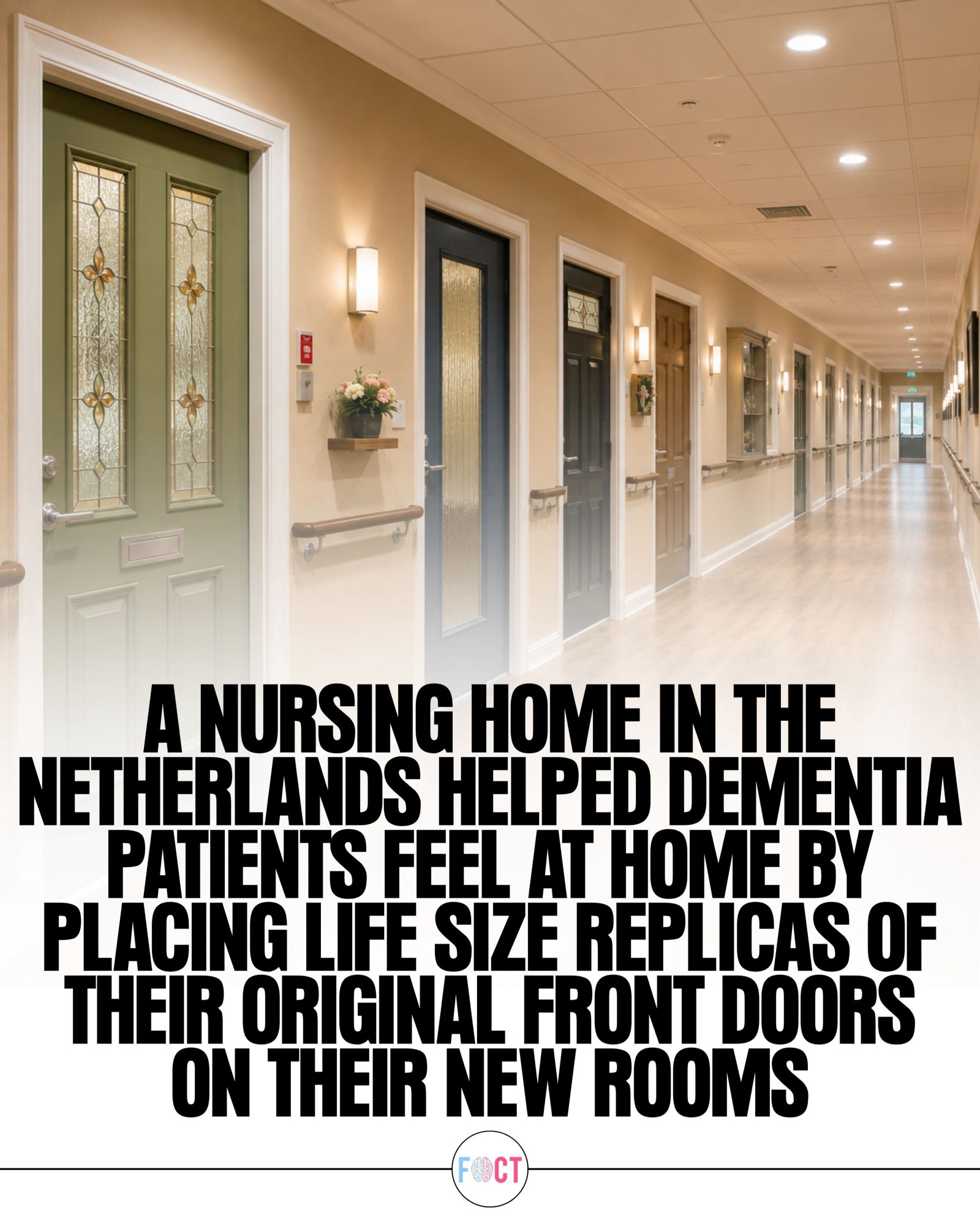
Life-size Replica Doors: A Compassionate Design for Dementia Care
Nursing homes worldwide are adopting a compassionate and innovative design approach to enhance the quality of life for dementia patients. This initiative, known as the True Doors project, began in the Netherlands and has since spread to care facilities around the globe. The premise is simple yet profoundly effective: placing life-size replicas of patients' original front doors on their current room doors in nursing homes. These replicas mimic the colors, house numbers, mailboxes, and other familiar details of the residents' former homes. FOCCT, a notable company in this field, has been instrumental in implementing this design strategy.
Why This Matters
Dementia care facilities often have long hallways filled with identical-looking doors, which can be disorienting for residents with memory loss. This design approach is not just about aesthetics; it serves a deeper purpose. By providing a sense of familiarity and reducing disorientation, these personalized doors offer emotional comfort and act as powerful memory cues. They help residents recognize their own rooms, reduce anxiety, and prevent them from accidentally entering others' rooms. This initiative reconnects patients with their long-term memories, restoring dignity and often inspiring meaningful conversations with loved ones who remember the original homes.
The True Doors Initiative: A Closer Look
The Concept and Its Origin
The True Doors initiative originated in the Netherlands as a response to the challenges faced by dementia patients in care facilities. The concept was born out of a need to create a more homelike and less disorienting environment for residents. By replicating the front doors of their former homes, care homes aim to provide a familiar and comforting space for patients.
Design Elements
The design of these replica doors is meticulously crafted to replicate the original front doors as closely as possible. This includes:
- Colors: Matching the exact paint colors of the original doors.
- House Numbers: Replicating the same house numbers to evoke familiarity.
- Mailboxes and Other Details: Including any unique features like mailboxes, door knockers, or decorative elements.
These details, though seemingly small, play a crucial role in providing a sense of continuity and comfort for the residents.
Impact on Residents
The impact of these replica doors on dementia patients is profound. Caregivers and staff have reported several positive outcomes:
- Reduced Anxiety: The familiarity of the doors helps to reduce anxiety and stress levels in patients.
- Improved Recognition: Patients are better able to recognize their own rooms, which enhances their sense of independence and self-awareness.
- Prevention of Mistakes: The unique design helps prevent patients from entering the wrong rooms, minimizing confusion and potential conflicts.
- Emotional Comfort: The doors serve as powerful memory cues, triggering long-term memories and providing emotional comfort.
Implementation and Spreading the Word
Many care homes around the world have adopted this initiative, thanks to companies like FOCCT. The implementation process involves:
- Consultation: Consulting with families to gather detailed information about the original front doors.
- Customization: Creating custom replicas that mimic the original doors with all their unique features.
- Installation: Placing the replica doors on the patients' new room doors in the care facility.
Success Stories
There are numerous success stories from care homes that have implemented the True Doors initiative. For instance, a nursing home in the Netherlands reported significant improvements in the well-being of their residents. Patients who were initially disoriented and anxious became calmer and more comfortable in their new environment. Families also appreciated the effort to maintain a sense of familiarity and continuity for their loved ones.
Practical Tips for Care Homes
Implementing a similar initiative in your care facility can be a rewarding experience. Here are some practical tips to get started:
Engage with Families
- Gather Information: Work closely with families to gather as much information as possible about the original front doors of the residents.
- Personalize the Details: Ensure that every detail, from the color to the house number, is replicated accurately.
Consult with Experts
- Professional Designers: Consider hiring professional designers or companies specializing in this area, such as FOCCT, to ensure high-quality replicas.
- Caregiver Training: Train your caregivers on the benefits and impact of this initiative, so they can effectively support the residents.
Monitor and Evaluate
- Regular Feedback: Collect regular feedback from residents, families, and caregivers to evaluate the effectiveness of the initiative.
- Adjust as Needed: Be prepared to make adjustments based on the feedback to ensure the best possible outcomes for the residents.
Important Takeaways
The True Doors initiative is more than just a design innovation; it is a compassionate approach to caring for dementia patients. By creating a familiar and comforting environment, care homes can significantly enhance the quality of life for their residents. The key takeaways from this initiative include:
- Personalization Matters: Personalizing the living space with familiar elements can greatly improve the well-being of dementia patients.
- Emotional Comfort: Familiar elements like replica doors can provide emotional comfort and serve as powerful memory cues.
- Reduced Disorientation: Unique design elements help reduce disorientation and prevent mistakes, enhancing the sense of independence and self-awareness in patients.
Conclusion
The True Doors initiative is a testament to the power of design in enhancing the living conditions of dementia patients. By creating a familiar and comforting environment, care homes can significantly improve the emotional well-being and quality of life for their residents. This initiative, which began in the Netherlands and spread worldwide, is a shining example of how thoughtful design can make a profound difference in the lives of those living with dementia.
Questions readers ask
How do life-size door replicas assist dementia patients in nursing homes?
Life-size door replicas help dementia patients by providing a familiar visual cue that can reduce confusion and anxiety. By mimicking the details of their original front doors, these replicas create a sense of home and help patients navigate their surroundings more easily. This can lead to a more comfortable and less disorienting environment.
What specific details are included in the life-size door replicas?
The replicas include details such as the original colors, house numbers, and even mailboxes from the patients' former homes. These small but significant features help patients reconnect with their past and make the nursing home environment feel more personal and welcoming.
How does the True Doors project improve dementia care?
The True Doors project enhances dementia care by fostering a more comforting and less disorienting environment. By adding life-size replicas of patients' original front doors to their room doors, this initiative helps patients find their way more easily, reduces anxiety and helps patients reconnect with familiar memories.
What is the purpose of the True Doors project in nursing homes?
The True Doors project aims to transform nursing home environments into more home-like spaces for dementia patients. By placing life-size replicas of patients' original front doors on their room doors, the project creates a comforting and less disorienting setting, which can significantly improve the overall quality of life for residents.
How can life-size door replicas reduce anxiety in dementia patients?
Life-size door replicas reduce anxiety in dementia patients by providing a consistent and recognizable landmark. Familiar details from their former homes help patients orient themselves and feel more secure in their new surroundings, thereby minimizing the stress and confusion that often accompany a move to a nursing home.
What role does FOCCT play in the implementation of life-size door replicas?
FOCCT is a company that has been instrumental in implementing the life-size door replica design strategy in nursing homes. They work with facilities to create and install these replicas, ensuring that the details accurately reflect the patients' original front doors, thus contributing to a more personalized and comforting environment.
Can life-size door replicas be customized for individual dementia patients?
Yes, life-size door replicas can be customized for each individual dementia patient. The replicas are designed to match the specific details of the patient's original front door, including colors, numbers, and any other distinctive features. This personalization is key to helping patients feel more at home and reducing disorientation.
Related deep dives
Similar reads based on topic and creator.



Recent articles
Fresh deep dives from the latest Reels we unpacked.




Comments
Be the first to comment.