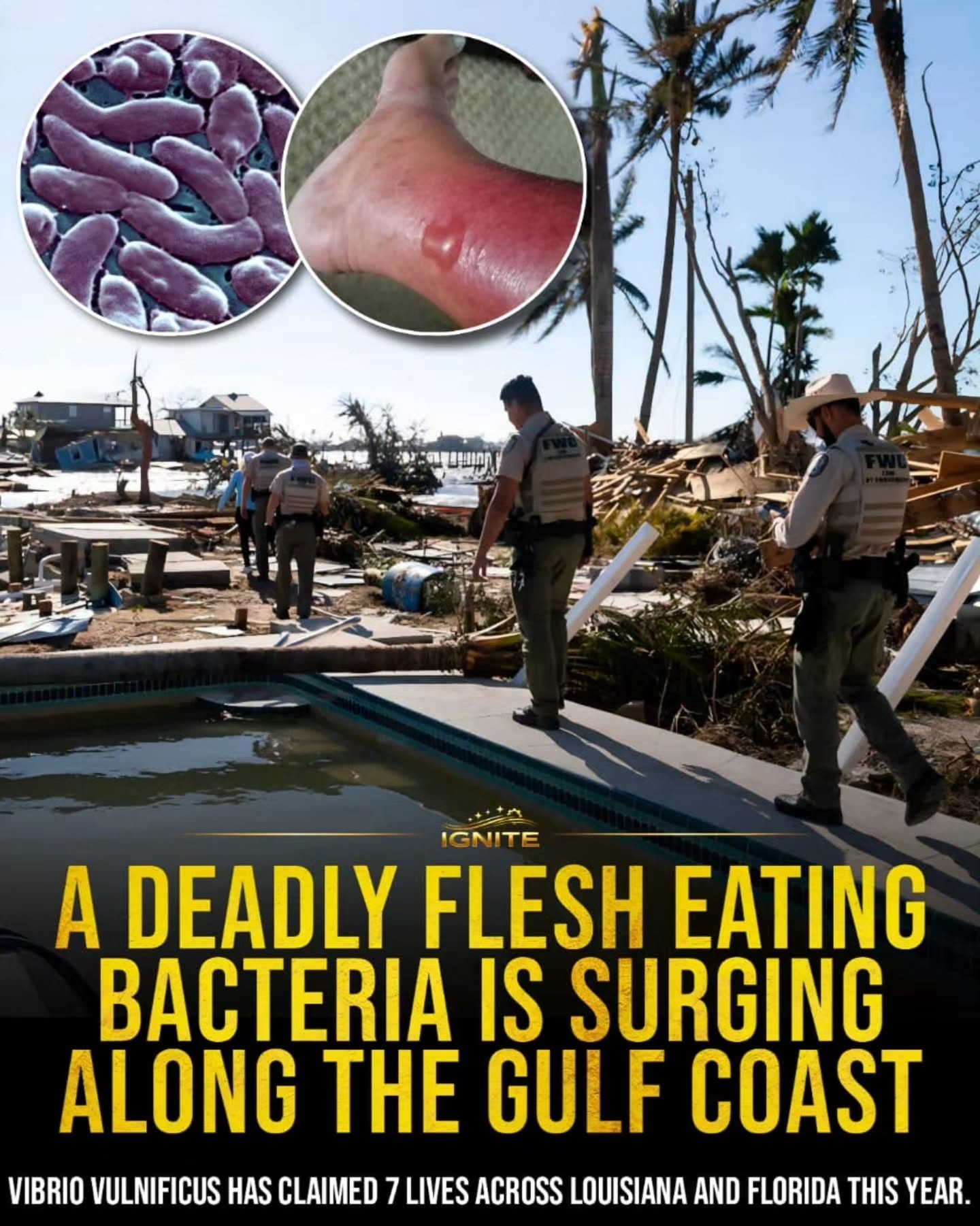
Deadly Bacteria Surge along the Gulf Coast
A potentially deadly "flesh-eating" bacteria, Vibrio vulnificus, is causing significant concern along the Gulf Coast. This year, health officials have reported at least seven deaths linked to Vibrio vulnificus infections, with five of these fatalities occurring in Louisiana and two in Florida. The bacteria thrives in warm coastal waters and can enter the body through open wounds or by consuming raw or undercooked shellfish, particularly oysters. Experts are strongly advising people to take extra precautions, especially during the warmer months.
Why This Matters
Living near the Gulf Coast or visiting the region can be enjoyable, but it’s crucial to be aware of potential health risks, especially those posed by bacteria like Vibrio vulnificus. Understanding the threats and taking preventive measures can help ensure a safe and enjoyable experience.
Main Discussion
Understanding Vibrio vulnificus
Vibrio vulnificus is a halophilic bacterium, meaning it thrives in environments with high salt concentrations, such as seawater. It is particularly prevalent in warm coastal waters, which makes the Gulf Coast a high-risk area. The bacteria can cause severe infections, often resulting in skin wounds, sepsis, or even death.
How the Bacteria Spreads
There are several ways Vibrio vulnificus can enter the body:
- Open Wounds and Injuries: The bacteria can directly enter the body through open wounds, cuts, or scrapes. This is particularly dangerous for people who swim in coastal waters with open injuries.
- Consumption of Raw or Undercooked Shellfish: Vibrio vulnificus can be found in raw or undercooked shellfish. Eating these contaminated seafood can lead to severe gastrointestinal issues and, in some cases, life-threatening infections.
- Exposure to Sea Water: Individuals with weakened immune systems, liver disease, or diabetes are at a higher risk of contracting the bacteria from exposure to seawater.
Symptoms and Diagnosis
The symptoms of a Vibrio vulnificus infection can vary but often include:
- Redness and swelling around the wound
- Fever and chills
- Nausea and vomiting
- Sepsis can occur in severe cases, leading to organ failure and death.
If you suspect a Vibrio infection, seek immediate medical attention. Early diagnosis and treatment can significantly improve the chances of survival.
High-Risk Groups
Certain groups are at a higher risk of contracting a Vibrio vulnificus infection:
- People with liver disease and weakened immune systems
- Individuals with diabetes or other chronic conditions
- Elderly individuals
- Those taking medications that suppress the immune system
These groups should be especially cautious when engaging in activities that involve exposure to warm coastal waters or consuming raw or undercooked shellfish.
Practical Tips
Precautions to Take
- Avoid Water Exposure with Open Wounds: Do not swim or participate in water activities if you have open wounds, cuts, or scratches.
- Protect Wounds: If you have a wound, use a waterproof bandage to cover it before entering the water.
- Cook Shellfish Thoroughly: Ensure that all shellfish, especially oysters, are cooked to at least 145°F (63°C) before consuming.
- Avoid Consuming Raw Shellfish: Especially in areas known for high Vibrio vulnificus concentrations.
- Stay Informed: Keep up to date with local health advisories and monitor water quality reports.
- Wash Hands: Always wash your hands thoroughly after handling raw shellfish.
Important Takeaways
- Awareness and Prevention: Being aware of the risks and taking preventive measures are crucial for avoiding Vibrio vulnificus infections.
- Prompt Medical Attention: Early diagnosis and treatment can significantly improve outcomes for those infected.
- High-Risk Groups: People with certain medical conditions or weakened immune systems should be especially cautious.
- Environmental Factors: Warm coastal waters and raw or undercooked shellfish are common sources of infection.
Conclusion
The surge of Vibrio vulnificus along the Gulf Coast is a serious health concern that requires attention and precautions. Understanding how the bacteria spreads, recognizing the symptoms, and taking preventive measures can help keep you and your loved ones safe. Stay informed and take the necessary steps to protect yourself, especially during the warmer months when the risk is highest.
Questions readers ask
What are the symptoms of a Vibrio vulnificus infection?
Symptoms of a Vibrio vulnificus infection can include sudden fever, chills, weakness, and nausea. In severe cases, it can lead to skin discoloration, swelling, and blistering, often referred to as 'flesh-eating' due to the rapid tissue damage. Infections can also cause severe bloodstream infections, leading to septic shock.
How can I protect myself from Vibrio vulnificus while at the Gulf Coast?
To minimize the risk, avoid entering warm coastal waters with open wounds, and if you do, ensure they are covered with waterproof bandages. Additionally, refrain from consuming raw or undercooked shellfish, especially oysters, as this is a common way the bacteria enters the body.
What should I do if I suspect I have a Vibrio vulnificus infection?
If you suspect you have a Vibrio vulnificus infection, seek immediate medical attention. Early treatment with antibiotics can be crucial in fighting the infection and preventing serious complications. Prompt care can also help minimize the risk of severe outcomes.
Why are there more cases of Vibrio vulnificus infections in the Gulf Coast during warm months?
Vibrio vulnificus thrives in warm waters, making it more prevalent during the summer months. As the temperature of the water rises, the bacteria becomes more active and increases in number, heightening the risk of infection for those who come into contact with contaminated waters or consume infected shellfish.
What areas along the Gulf Coast have reported Vibrio vulnificus outbreaks in the past year?
Over the past year, Vibrio vulnificus outbreaks have been particularly notable in Louisiana and Florida. Louisiana has reported five fatalities, while Florida has reported two, making these states areas of significant concern for public health officials.
Why are raw oysters a common source of Vibrio vulnificus infections?
Raw oysters can harbor Vibrio vulnificus because they are filter feeders that concentrate the bacteria from contaminated waters. Consuming raw or undercooked oysters, especially during warmer months, can lead to infection. Cooking oysters thoroughly can kill the bacteria, making them safe to eat.
Recent articles
Fresh deep dives from the latest Reels we unpacked.




Comments
Be the first to comment.