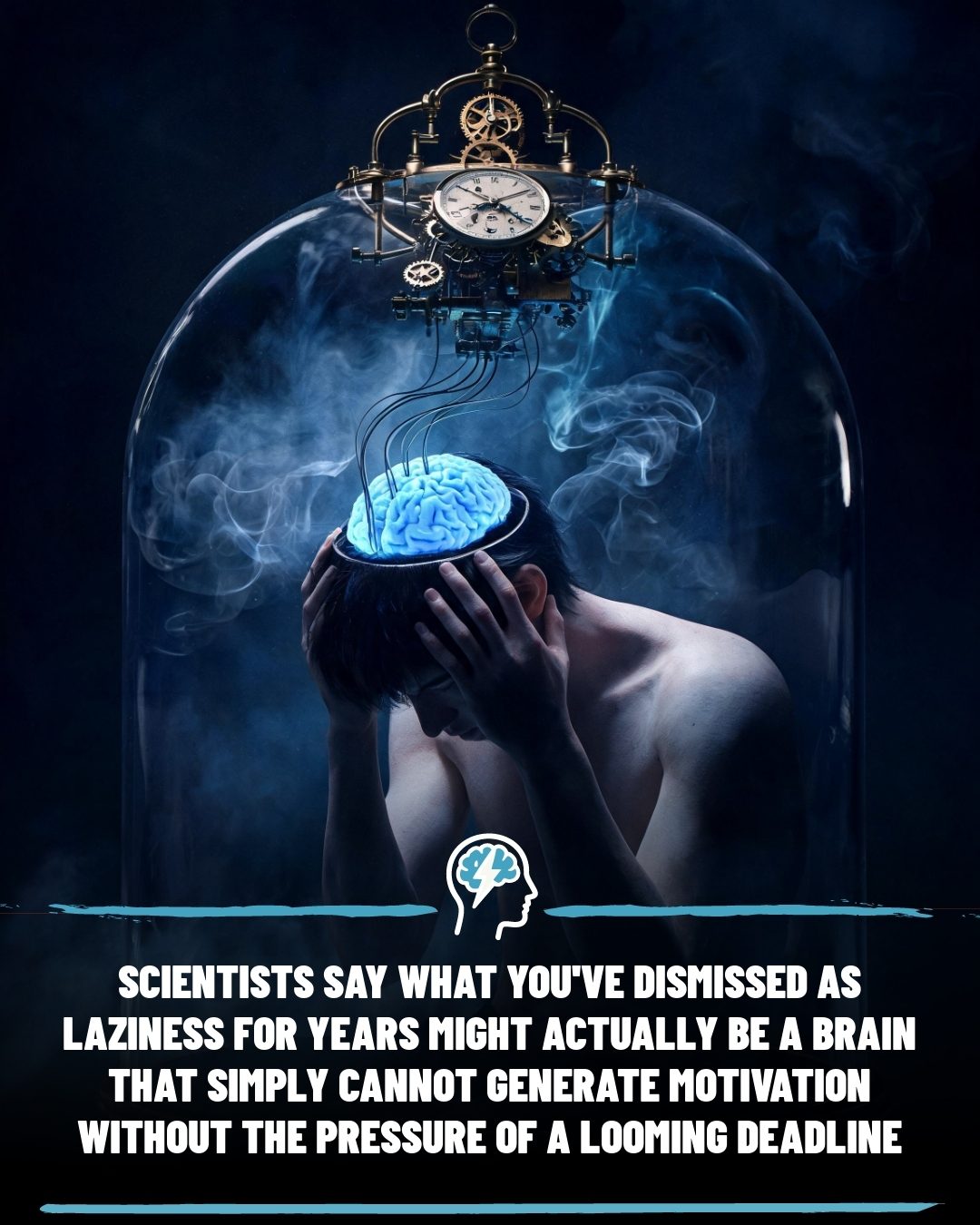
Brain and Motivation
The concept of laziness is often thrown around to describe those who struggle to start tasks until the last minute. However, recent research into neurodiversity suggests that this behavior might be more about how the brain functions than a lack of willpower. This phenomenon is particularly relevant for individuals who need specific triggers, like urgency, to initiate action.
Context / Why This Matters
Understanding the science behind motivation and procrastination can change how we view productivity and self-management. It highlights the importance of recognizing that different brains respond to different stimuli. This knowledge can help in creating more effective strategies for task management and personal growth.
Main Discussion
The Brain and Motivation
The brain's response to urgency is a critical factor in motivation. For some people, the nervous system doesn't respond to the normal cues of importance or rewards. Instead, it needs triggers like deadlines to generate the necessary focus. This isn't a character flaw; it's a neurological difference. The brain of a pressure-dependent individual requires a surge of dopamine and norepinephrine, which typically occurs when the stakes are high.
The Myth of Willpower
Traditional productivity advice often assumes that everyone is motivated by deadlines or long-term consequences. However, for a pressure-dependent brain, these signals don't activate in the same way. This means that waiting until the last minute isn't a sign of procrastination but rather the brain's way of focusing when it receives the necessary stimulus.
Signs of a Pressure-Dependent Brain
Recognizing the signs of a pressure-dependent brain can be crucial for self-awareness and effective time management. Some common indicators include:
- Prioritizing Tasks: Difficulty prioritizing tasks based on external importance.
- Hyper-Focusing: Intense focus on interesting projects while ignoring basic chores.
- Peak Performance: Achieving peak performance when the deadline is near.
- Guilt and Shame: Feeling guilty or ashamed about not starting sooner, despite knowing the consequences.
- Needing Novelty: Requiring novelty and challenge to hold attention.
Reframing the Struggle
It's essential to reframe this struggle as a neurological difference rather than a moral failure. Instead of forcing the brain to care about importance, work with the triggers that actually help: artificial deadlines, gamifying boring tasks, building in urgency on purpose. This shift in perspective can break the cycle of self-criticism and help individuals work more effectively with their natural tendencies.
Practical Tips
Setting Artificial Deadlines
One practical way to work with a pressure-dependent brain is to set artificial deadlines. Break down larger tasks into smaller, more manageable parts, and create deadlines for each segment. This can help simulate the urgency needed to kickstart the brain's motivation system.
Gamifying Tasks
Gamifying tasks can turn mundane activities into engaging challenges. For example, setting a timer for a task and rewarding yourself for completing it within the time limit can make the task more appealing. This approach can tap into the brain's reward system, making it more likely to focus and complete the task.
Building In Urgency
Creating a sense of urgency can be as simple as telling yourself that you only have a limited time to complete a task. This can be done by setting a timer or by visualizing the consequences of not completing the task on time. This method harnesses the brain's natural response to high-stakes situations to boost motivation.
Important Takeaways
- Understand the Brain's Needs: Recognize that some brains require specific triggers to generate motivation.
- Reframe Self-Criticism: Shift the view from moral failure to neurological difference.
- Use Practical Strategies: Implement artificial deadlines, gamify tasks, and build in urgency to work with the brain's natural tendencies.
- Break the Cycle: Address the root cause of procrastination to create more effective and sustainable productivity habits.
Conclusion
The traditional view of laziness as a character flaw can be counterproductive. Understanding the science behind motivation and procrastination can provide a more compassionate and effective approach to productivity. By recognizing the brain's need for specific triggers and using practical strategies to work with this neurological difference, individuals can improve their task management and break the cycle of self-criticism.
Questions readers ask
How do deadlines influence the brain's motivation centers?
Deadlines can stimulate the brain's motivation centers by creating a sense of urgency. This urgency triggers a surge in neurotransmitters, which helps to focus the mind and enhance productivity. For many, this pressure is a necessary component in effective task management.
Why do some people perform better under the pressure of a deadline?
Individuals who perform better under deadline pressure often have brains that are wired to respond to urgency. This response is not about laziness, but rather a neurological need for a specific trigger to initiate action and maintain focus.
What role does neuroscience play in understanding the impact of deadlines on productivity?
Neuroscience provides insights into how deadlines activate the brain's reward and motivation systems. By studying the brain's response to urgency, we can develop better strategies for task management and personal growth, tailored to individual neurological needs.
How can understanding the neuroscience of deadlines improve task management?
Recognizing that different brains respond to different stimuli can help in creating more effective task management strategies. For instance, setting clear deadlines can provide the necessary urgency to motivate and focus certain individuals, leading to better task completion.
What are some techniques to manage tasks using deadline pressure effectively?
Setting self-imposed deadlines, breaking tasks into smaller chunks with individual deadlines, and using tools that create a sense of urgency can help manage tasks effectively. These techniques mimic the pressure of external deadlines, aiding focus and productivity.
Can deadline pressure be harmful to mental health?
While deadline pressure can enhance focus and productivity, excessive or chronic stress from tight deadlines can negatively impact mental health. It's important to balance the use of deadline pressure with adequate rest and stress management techniques to maintain overall well-being.
How does the brain respond to the urgency created by deadlines?
The brain responds to deadline urgency by activating its reward and motivation systems. This activation leads to a surge in neurotransmitters, which help to enhance focus and drive task completion. This physiological response makes deadlines a crucial component in effective task management.
Related deep dives
Similar reads based on topic and creator.



Recent articles
Fresh deep dives from the latest Reels we unpacked.




Comments
Be the first to comment.