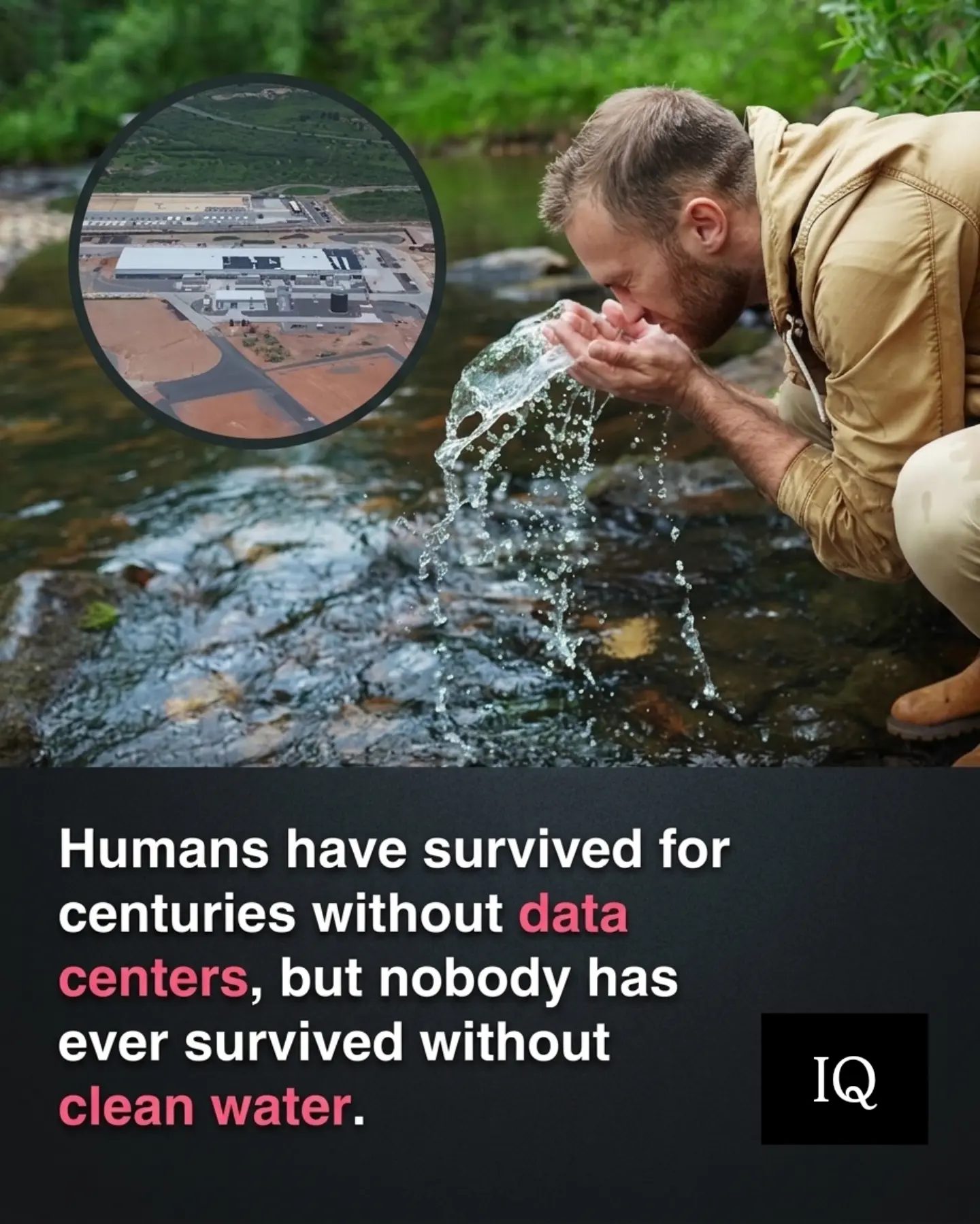
Water Conservation and the Impact of Data Centers
Clean water is indispensable for human survival, yet it's a resource increasingly threatened by the rapid growth of data centers. As the artificial intelligence (AI) boom accelerates, these massive facilities are popping up around the globe to support the computational demands of modern technology. While data centers are vital for powering today's digital world, their water consumption patterns raise critical concerns, particularly in regions facing drought and water scarcity.
Why This Matters
The proliferation of data centers is a double-edged sword. On one hand, they are the backbone of the modern economy, enabling everything from cloud computing to AI algorithms. On the other hand, their operation comes at a significant environmental cost, particularly in terms of water usage. Understanding the impact of data centers on water conservation is crucial for balancing technological progress with environmental sustainability.
The Role of Data Centers in the Modern Economy
Powering the Digital World
Data centers are essential for powering the digital infrastructure that supports modern life. They host thousands of powerful, heat-generating chips that run 24/7, enabling everything from streaming services to complex AI algorithms. These facilities are the backbone of the modern economy, driving innovation and economic growth. However, their operation requires a substantial amount of resources, including water.
The Water Intensive Nature of Cooling Systems
Many data centers rely on evaporative cooling systems to manage the heat generated by their servers. These systems consume millions of gallons of water every day. While advancements in water-efficient cooling technologies are being developed, the sheer scale of data center operations means that water consumption remains a significant concern.
The Environmental Impact of Data Centers
Water Consumption and Scarcity
The rapid expansion of data centers is exacerbating water scarcity issues, particularly in regions already facing drought. In these areas, the competition for water resources between tech companies and local communities is becoming increasingly contentious. The water used by data centers is often sourced from local supplies, which can lead to shortages and conflicts.
The Need for Sustainable Practices
As the demand for AI and cloud computing continues to grow, so does the need for sustainable practices in data center operations. Tech advocates point to new, water-efficient cooling innovations as a solution, while critics argue that local water supplies should not be sacrificed to feed the AI race. Balancing technological progress with environmental responsibility is a pressing challenge.
Practical Tips for Sustainable Data Center Operations
Adopting Water-Efficient Cooling Technologies
One of the most effective ways to reduce water consumption in data centers is by adopting water-efficient cooling technologies. Innovations such as liquid cooling, free cooling, and hybrid cooling systems can significantly reduce water usage. These technologies not only conserve water but also improve the overall efficiency of data center operations.
Implementing Renewable Energy Sources
In addition to water-efficient cooling, data centers can also benefit from implementing renewable energy sources. Solar, wind, and hydroelectric power can reduce the carbon footprint of data centers while also reducing their reliance on traditional power sources that may compete with local water supplies.
Promoting Transparency and Accountability
Promoting transparency and accountability in data center operations is crucial for ensuring sustainable practices. Companies should be transparent about their water usage and the steps they are taking to reduce it. This can be achieved through regular reporting, public disclosures, and engagement with local communities.
Encouraging Local Innovation
Encouraging local innovation and collaboration can also lead to more sustainable data center operations. By working with local communities and water management authorities, data center operators can develop more efficient and environmentally friendly practices. Collaboration can also lead to the adoption of innovative technologies that are tailored to the specific needs and challenges of the local environment.
Important Takeaways
- Data Centers and Water Consumption: Data centers are vital for the modern economy but consume substantial amounts of water for cooling, exacerbating water scarcity issues.
- Sustainable Practices: Adopting water-efficient cooling technologies, implementing renewable energy sources, and promoting transparency and accountability can help mitigate the environmental impact of data centers.
- Community Engagement: Collaboration between data center operators and local communities is essential for developing sustainable practices that balance technological progress with environmental responsibility.
Conclusion
The artificial intelligence boom has led to a rapid increase in data center operations, raising critical questions about water conservation. While data centers are essential for powering the modern economy, their water-intensive operations pose significant environmental challenges, particularly in regions facing drought and water scarcity. By adopting sustainable practices, promoting transparency, and engaging with local communities, it is possible to build a future where technological progress does not come at the expense of essential resources like water.
Questions readers ask
Why do data centers consume so much water?
Data centers use significant amounts of water primarily for cooling purposes. The vast number of servers generate substantial heat, which requires continuous cooling to maintain optimal performance. This process often involves water-based cooling systems, leading to high water consumption.
How does AI growth impact water usage in data centers?
AI growth drives the demand for more data centers and increased computational power, which in turn raises water usage. AI workloads require extensive processing, generating more heat and necessitating more cooling, thus amplifying the water needs of these facilities.
What are some sustainable cooling methods for data centers?
Sustainable cooling methods include using outside air for cooling (free cooling), implementing water-efficient cooling systems like evaporative cooling, and utilizing advanced cooling technologies. Data centers can also use renewable energy sources to power their cooling systems, further reducing their environmental impact.
How do drought conditions affect data centers?
Drought conditions pose a significant challenge for data centers, as water scarcity can disrupt their cooling operations. In drought-prone areas, data centers may face restrictions on water use, leading to potential downtime and operational difficulties. This underscores the need for water-efficient practices and sustainable water management.
What are some effective water management strategies for data centers?
Effective water management strategies for data centers include recycling and reusing water, implementing water-efficient cooling technologies, and monitoring water usage to identify areas for improvement. Data centers can also adopt policies to minimize water waste and invest in technologies that reduce overall water consumption.
How does the location of a data center impact its water usage?
The location of a data center significantly affects its water usage, particularly in regions with varying climate and water availability. Data centers in arid or drought-prone areas may need to implement more water-efficient practices or alternative cooling methods, while those in cooler climates might utilize natural air cooling more effectively.
What are some green initiatives that data centers can adopt to reduce their water footprint?
Green initiatives for data centers include adopting renewable energy sources, implementing water-efficient cooling systems, and utilizing natural air for cooling. Additionally, data centers can invest in technologies that reduce overall energy and water consumption, such as AI-driven optimization systems that monitor and manage resource use.
Related deep dives
Similar reads based on topic and creator.




Recent articles
Fresh deep dives from the latest Reels we unpacked.




Comments
Be the first to comment.