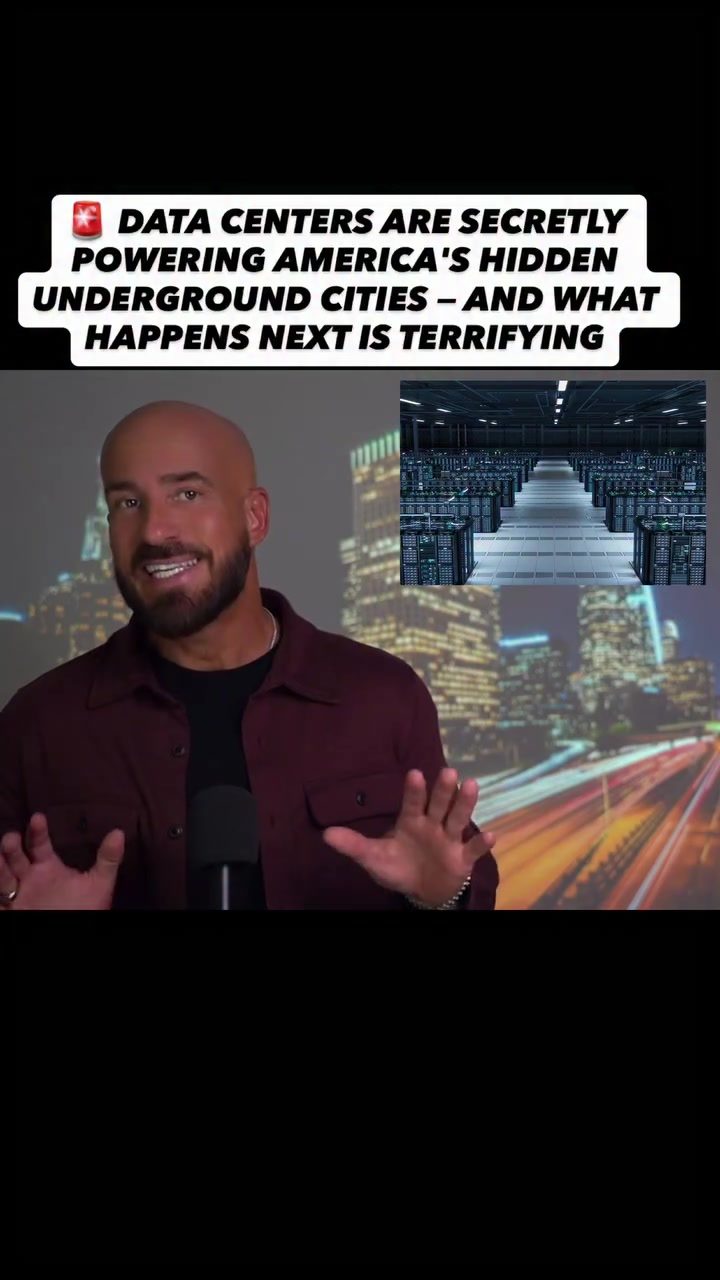
Data Centers and Underground Cities: The Growing Power and Water Demand of Data Centers
Data centers are becoming increasingly crucial in the modern world, but their vast energy and water consumption is raising eyebrows. The issue was highlighted when the head of America's largest utility warned that the surge in data centers could lead to power outages as early as next year. This stark warning underscores the pressing question: why are so many data centers being constructed, and why are they being built in strategically important locations?
Why the Rapid Increase in Data Centers?
Data centers are the backbone of the digital age, storing and processing the vast amounts of data that power our interconnected world. However, the rapid increase in data centers is not just about meeting the growing demand for digital services. These facilities consume enormous amounts of electricity and millions of gallons of clean drinking water daily.
The energy demand of data centers is staggering. According to a report by the International Energy Agency, data centers and data transmission networks accounted for about 1% of global electricity demand in 2020. This figure is expected to rise as data usage continues to grow. The water demand is equally concerning, with some data centers using millions of gallons of water daily for cooling purposes.
Why Strategically Important Locations?
The strategic placement of data centers is another puzzling aspect. Many are being built in locations that are critical for national security or have significant infrastructure. This has led to speculation about the underlying reasons for their construction. One theory suggests that these data centers are part of a larger, more sinister plan.
The Underground City Theory
One chilling theory gaining traction suggests that data centers are secretly powering a vast, hidden network of underground bases and cities beneath America. This idea is not entirely unfounded. The government has documented the construction of numerous underground facilities and transportation tunnels, many of which are part of the national security infrastructure.
These underground facilities are not just a product of the Cold War era; they continue to be built and expanded today. Some estimates suggest that there could be as many as 170 underground bases and related infrastructure, both within the United States and under the ocean around it. The transportation networks connecting these facilities are believed to be sophisticated and extensive. This infrastructure is intended to ensure continuity of government and military operations in case of a catastrophic event.
The Role of Data Centers in Underground Cities
The idea that data centers could be powering these underground cities is alarming. It raises questions about the true purpose of these facilities and the extent to which they are being used for covert operations. The sheer number of data centers being built, coupled with their strategic locations, adds weight to this theory. However, it is essential to note that this is still a speculative theory and not yet proven.
Practical Tips for Understanding the Issue
-
Stay Informed: Keep an eye on reports and updates from utility companies and government agencies regarding data center construction and energy consumption.
-
Question the Narrative: Don't shy away from asking tough questions about the purpose and implications of data centers in strategically important locations.
-
Consider the Environmental Impact: Understand the environmental costs of data centers, including their energy and water consumption, and advocate for sustainable practices.
-
Explore Transparency: Push for greater transparency in government projects, especially those involving national security and infrastructure.
Important Takeaways
-
Energy and Water Demand: Data centers are consuming vast amounts of electricity and water, posing a significant challenge to the existing infrastructure.
-
Strategic Locations: The construction of data centers in strategically important locations raises questions about their true purpose.
-
Understanding the Underground Theory: Exploring the theory of data centers powering underground cities can provide insight into the broader implications of data center expansion.
Conclusion
The rapid increase in data centers and their strategic placement is a topic of growing concern. While the theory that data centers are powering a network of underground cities is speculative, it highlights the need for more transparency and accountability in government projects. By staying informed and questioning the narrative, we can better understand the true implications of data center expansion and advocate for sustainable and ethical practices.
Questions readers ask
Why are so many data centers being constructed in strategically important locations?
Data centers are often built in strategically important locations to ensure robust connectivity, minimal latency, and enhanced network security. Additionally, these locations might have reliable power and water supplies, and close proximity to other critical infrastructure. There is also speculation that their location near national security sites could imply a covert purpose, such as powering hidden underground facilities.
What is the primary power source for underground cities, and why is it significant?
Underground cities often rely on power sources like nuclear reactors, geothermal energy, and even data centers due to their stable and continuous power supply. This significance lies in ensuring sustained operations and energy independence, crucial for maintaining national security and essential services. The robust power supply can also support advanced infrastructure and transportation systems underground, which would otherwise require massive energy inputs.
How does the power consumption of data centers compare to that of underground cities?
Data centers consume immense amounts of electricity, often comparable to the energy demands of small towns or cities. Underground cities, while also having high power needs, could potentially leverage the power generated by nearby data centers, making data centers a vital power source for these subterranean facilities.
What are the potential consequences of data center power outages, as warned by utility executives?
Power outages at data centers can lead to significant disruptions in digital services, including internet connectivity, cloud services, and data storage. This can affect businesses, governments, and individuals who rely on these services for daily operations. Additionally, prolonged outages could impact the power supply to nearby critical infrastructure, including national security sites and underground facilities that depend on data centers for electricity.
What role do data centers play in national security, and why are they built underground?
Data centers play a pivotal role in national security by housing sensitive information, maintaining secure communications, and supporting critical infrastructure. Being built underground enhances their protection against physical threats, natural disasters, and electromagnetic pulses. Furthermore, underground data centers can be integrated with other hidden bases and facilities, ensuring continuous operation and resilience during emergencies.
How does the construction of data centers impact the power supply in America and elsewhere?
The construction of numerous data centers has significantly increased the demand for electricity, sometimes causing concerns about potential power shortages and outages. Energy providers are challenged to meet this rising demand, which can affect the stability of the power grid and force utilities to consider alternative or additional power sources. This trend is particularly noticeable in areas with a high concentration of data centers, such as certain regions in America and other technologically advanced countries.
What measures can be taken to mitigate the potential power outages caused by high data center energy use?
To mitigate potential power outages, data centers can adopt energy-efficient technologies, renewable energy sources, and advanced power management systems. Utilities can also diversify their power portfolio, invest in grid modernization, and implement demand response programs. Additionally, developing more efficient cooling systems and optimizing data center operations can help reduce overall energy consumption, thereby alleviating the strain on the power supply.
Related deep dives
Similar reads based on topic and creator.




Recent articles
Fresh deep dives from the latest Reels we unpacked.




Comments
Be the first to comment.