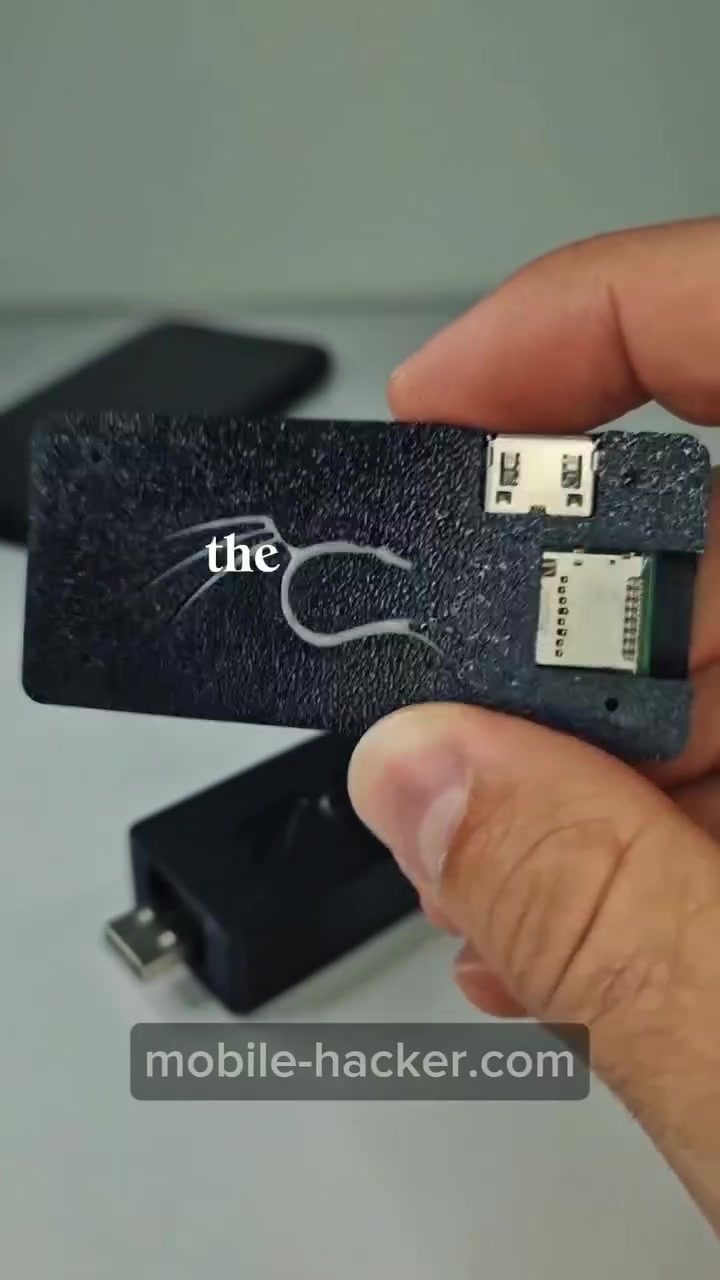
USB Devices and Their Role in Cybersecurity
The USB Device: A Central Component in Cyber Strategies
USB devices are ubiquitous in modern technology, serving as essential tools for data transfer, device charging, and connecting peripherals. Their compact size and versatility make them indispensable for both personal and professional use, ranging from simple flash drives to complex wireless adapters. Recent advancements in USB technology, such as USB-C and USB4, have further enhanced their capabilities, enabling faster data transfer speeds and more efficient power delivery.
USB Devices in Cybersecurity
However, USB devices also play a crucial role in the realm of cybersecurity. Their widespread use and ease of access make them potential vectors for malware and data breaches. Cybercriminals often exploit USB devices to infiltrate corporate networks and steal sensitive information. Understanding the security implications of USB devices is essential for protecting personal and organizational data.
Understanding USB Devices
USB devices come in various forms, each serving different purposes. Traditional USB flash drives are used for storing and transferring data, while USB network adapters and wireless dongles enable connectivity. Moreover, USB hubs and docking stations help manage multiple devices and peripherals. Regardless of their type, USB devices share common components—connectors, circuitry, and sometimes microchips or firmware.
The Cybersecurity Landscape
Cybersecurity has become an increasingly critical field, especially with the rise of cyber threats targeting both individuals and organizations. Recent incidents, such as ransomware attacks and data breaches, underscore the importance of robust cybersecurity measures. In this context, USB devices, being both useful and vulnerable, require special attention.
One of the key discussions in the cybersecurity community revolves around the latest Android malware. Exploring Android Malware involves understanding the various vulnerabilities that can be exploited through USB devices. Cybersecurity professionals study these threats to develop effective countermeasures and protect users from potential risks.
The 403 Cybersecurity Podcast
For those interested in delving deeper into cybersecurity, the 403 Cybersecurity podcast provides valuable insights and discussions. Hosted by experts in the field, the podcast covers a wide range of topics, including the latest trends, emerging threats, and best practices in cybersecurity. One of their recent episodes focused on Exploring Android Malware, offering listeners a comprehensive overview of the risks and preventive measures.
Staying Updated with Cybersecurity Events
Attending cybersecurity conferences is another effective way to stay informed about the latest developments in the field. Conferences like the Global Cyber Security Conference, organized by AVAR, are important venues for cybersecurity professionals to share knowledge and discuss current challenges. The 2024 AVAR conference, themed "The Battle for Cyber Supremacy," brought together renowned experts and industry leaders to address critical topics in cybersecurity.
Tips for Safe USB Device Usage
To ensure the safe usage of USB devices, especially in the context of cybersecurity, it's essential to follow best practices:
- Use Trusted Devices: Only use USB devices from reputable manufacturers and avoid generic or unidentified devices.
- Keep Firmware Updated: Regularly update the firmware of your USB devices to patch any known vulnerabilities.
- Scan for Malware: Always scan USB devices for malware before using them on your computer or connecting them to a network.
- Limit Access: Restrict the use of USB devices to trusted personnel and monitor their activities within the organization.
Important Takeaways
The multifaceted nature of USB devices and their role in cybersecurity highlights the need for vigilance and proactive measures. Understanding the risks and taking appropriate steps can significantly enhance data security. Whether through attending conferences, listening to podcasts, or following best practices, staying informed and proactive is key to navigating the evolving landscape of cyber threats.
Conclusion
USB devices are indispensable in today's digital world, but their security implications cannot be overlooked. By staying informed about the latest threats and adopting best practices, individuals and organizations can mitigate the risks associated with USB devices and safeguard their data. Engaging with the cybersecurity community through events like the AVAR conference and resources like the 403 Cybersecurity podcast can provide valuable insights and help maintain a strong security posture.
Questions readers ask
What are the primary functions of USB devices in modern technology?
USB devices serve multiple purposes, including data transfer, device charging, and connecting various peripherals. They come in different forms, such as flash drives and wireless adapters, and are essential for both personal and professional environments. Recent developments like USB-C and USB4 have improved data transfer speeds and power efficiency, making them even more integral to daily tech use.
Why are USB devices a concern for cybersecurity?
USB devices pose cybersecurity risks due to their ease of use and widespread availability. They can be used to introduce malware or facilitate data breaches, making it crucial to implement security measures to protect data. The compact and portable nature of USB devices makes them easy targets for cyberattacks.
What are some common types of USB devices?
USB devices encompass a wide range of items, from simple flash drives used for storing and transferring data to more complex devices like wireless adapters. Other examples include USB hubs, keyboards, mice, and external hard drives, all of which are used for various connectivity and data management purposes.
How can individuals protect themselves from USB-related cyber threats?
To safeguard against USB-related cyber threats, it is important to avoid using untrusted devices and to regularly update your software. Employing antivirus and anti-malware solutions, as well as being cautious of phishing attempts, can also help. Always scan USB devices for threats before using them, and consider using encryption for sensitive data.
What advanced features do modern USB technologies offer?
Modern USB technologies, such as USB-C and USB4, offer faster data transfer speeds and improved power delivery. These advancements allow for more efficient charging of devices and quicker data transmission, making them ideal for high-performance applications. USB-C, in particular, is known for its reversible connector design, which enhances user convenience.
How can organizations mitigate the risks posed by USB devices in the workplace?
Organizations can mitigate USB-related risks by implementing strict usage policies and employing data loss prevention tools. Regularly training employees on cybersecurity best practices, using encryption, and deploying security software can also help. Physical security measures, such as limiting access to USB ports on sensitive devices, can further reduce the risk of unauthorized data access.
Related deep dives
Similar reads based on topic and creator.




Recent articles
Fresh deep dives from the latest Reels we unpacked.




Comments
Be the first to comment.