Crows in Sweden and Their Role in Cleaning Up Cigarette Butts
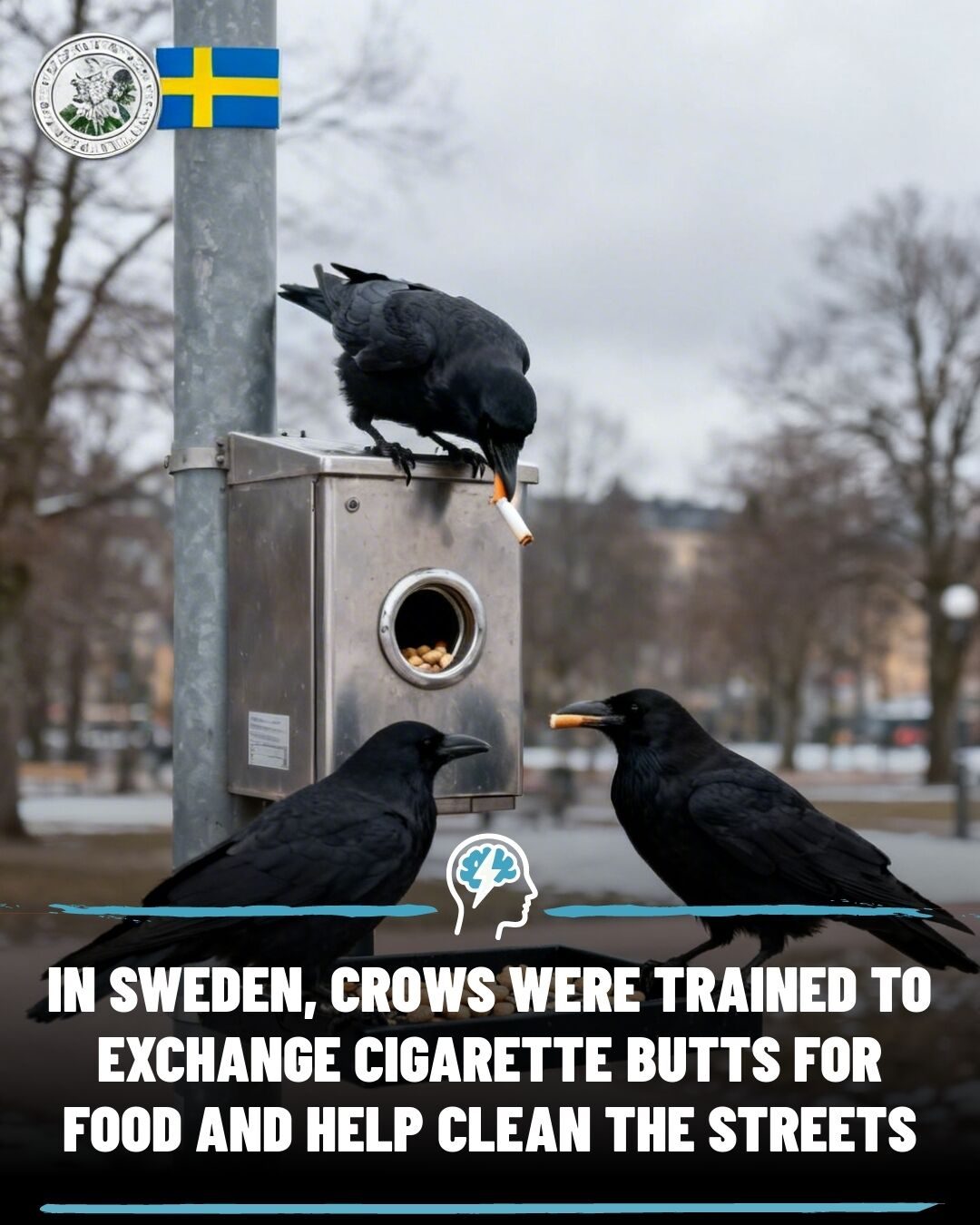
Cows in Sweden are being trained to exchange cigarette butts for food, helping to clean city streets. Corvid Cleaning, a Swedish startup, developed a machine which rewards wild crows with peanuts when they deposit cigarette butts, addressing one of the most pervasive forms of pollution.
Context: Why This Matters
Cigarette butts are the most common form of litter globally. They pose significant environmental and health risks, including water pollution and wildlife harm. Traditional cleanup methods are costly and labor-intensive. Sweden's initiative with crows offers an innovative approach to potentially reduce these costs and environmental impacts.
Crows are an ideal candidate for this task due to their remarkable intelligence and problem-solving abilities. Research shows that crows can learn multi-step tasks and may even teach these behaviors to others, amplifying the cleanup impact over time. This social learning aspect makes crows particularly effective for such initiatives.
The Mechanism Behind the Machine
The machine designed by Corvid Cleaning operates on a principle of operant conditioning, a reward-based training method. Crows interact with the device voluntarily, depositing cigarette butts in exchange for peanuts. This method ensures that no crows are captured or kept in captivity, respecting their natural behaviors and habitats.
The process is straightforward:
- Interaction: A crow approaches the machine.
- Deposit: The crow drops a cigarette butt into a designated slot.
- Reward: The machine dispenses a peanut as a reward.
This straightforward yet clever mechanism leverages the crows' natural foraging instincts and intelligence, making it an effective tool for street cleanup.
The Potential Impact
The potential benefits of this initiative are substantial. The founder of Corvid Cleaning suggests that this approach could cut cigarette butt removal costs by up to 75 percent in the pilot city of Södertälje. This is particularly significant given the scale of litter cleanup efforts required in urban areas. By reducing the need for manual labor, the initiative not only saves costs but also frees up resources for other environmental initiatives.
Social Learning and Long-Term Benefits
One of the most intriguing aspects of this initiative is the potential for social learning among crows. If crows can teach each other this behavior, the impact could be amplified over time. This social learning would mean that even more crows could be involved in the cleanup effort, further reducing the amount of litter on the streets.
Challenges and Considerations
While the results are promising, it's essential to consider the broader implications. A similar project in the Netherlands, called "Crowbar," was discontinued because researchers couldn't determine the long-term effects on crows and the environment. This highlights the importance of continued research and monitoring to ensure the well-being of the crows and the environment.
Corvid Cleaning's initiative remains a pilot program. Its success will depend on factors such as financing, further study, and community support. The potential for scaling this approach to other cities and regions will also depend on local crow populations, urban environments, and implementation details.
Practical Tips for Implementing Similar Initiatives
-
Understand Local Crow Behavior: Before implementing such a program, it's crucial to understand the behavior and habits of local crow populations. This includes their feeding patterns, social structures, and responses to human interactions.
-
Design the Machine Appropriately: The design of the machine should be carefully considered to ensure it is accessible and appealing to the crows. It should dispense rewards reliably and be placed in areas where crows are likely to frequent.
-
Monitor and Adjust: Ongoing monitoring is essential to assess the effectiveness of the program and make necessary adjustments. This includes observing crow behavior, adjusting reward schedules, and ensuring the machine is functioning correctly.
-
Engage the Community: Community support is vital for the success of any environmental initiative. Engaging local residents and organizations can help raise awareness, provide resources, and ensure the program's sustainability.
Important Takeaways
- Crows' Intelligence: Leveraging the intelligence and social learning of crows can lead to innovative environmental solutions.
- Cost-Effectiveness: This approach has the potential to significantly reduce the costs associated with litter cleanup.
- Environmental Benefits: Reducing cigarette butt litter can have a substantial positive impact on the environment and public health.
- Long-Term Considerations: The long-term effects on crows and the environment must be carefully monitored and studied.
Conclusion
The initiative in Sweden to train crows to exchange cigarette butts for food is a fascinating example of how understanding animal behavior can lead to practical environmental applications. While it's not a magic solution to pollution, it offers a creative approach that could complement existing cleanup efforts. As the program continues to evolve, it will be important to monitor its impact and consider how it can be applied in other contexts. Whether or not it scales, this initiative showcases the potential for thinking beyond conventional methods to address environmental challenges.
Questions readers ask
How are crows in Sweden being trained to collect cigarette butts?
Crows in Sweden are being trained using a rewards system. A machine developed by Corvid Cleaning dispenses peanuts when crows drop cigarette butts into it, encouraging the birds to collect litter in exchange for food.
What makes cigarette butts a significant pollution problem?
Cigarette butts are the most common form of litter worldwide. They contain harmful chemicals that can pollute waterways, harm wildlife, and pose health risks to humans. Traditional cleanup methods are often costly and labor-intensive.
Why are crows suitable for this type of waste management?
Crows are highly intelligent and have the ability to understand and solve simple puzzles. Their problem-solving skills and natural curiosity make them well-suited for tasks like collecting litter in exchange for rewards.
What is the potential impact of using crows for cigarette butt cleanup?
By incentivizing crows to collect cigarette butts, Sweden's initiative could significantly reduce litter in public spaces. This approach may lower cleanup costs and minimize the environmental impact of cigarette waste, providing a novel model for sustainable waste management.
How does the machine developed by Corvid Cleaning work?
The machine is designed to accept cigarette butts from crows. When a crow drops a cigarette butt into the machine, it dispenses peanuts as a reward. This encourages the crows to continue collecting and exchanging cigarette butts for food.
Can this method be replicated in other areas to manage litter?
The success of Sweden's initiative suggests that similar methods could be implemented in other regions. However, the effectiveness of such programs would depend on local factors, including the presence of suitable bird species and the availability of resources for developing and maintaining the necessary infrastructure.
What benefits do crows gain from participating in this cleanup effort?
Crows benefit from the training process by receiving a food reward, typically peanuts, for each cigarette butt they collect and deposit into the machine. This not only helps to feed the birds but also leverages their natural foraging instincts to achieve a beneficial outcome for the environment.
Related deep dives
Similar reads based on topic and creator.


Recent articles
Fresh deep dives from the latest Reels we unpacked.
Comments
Be the first to comment.