The Crinkle-Crankle Wall: A Blend of Beauty and Structural Efficiency
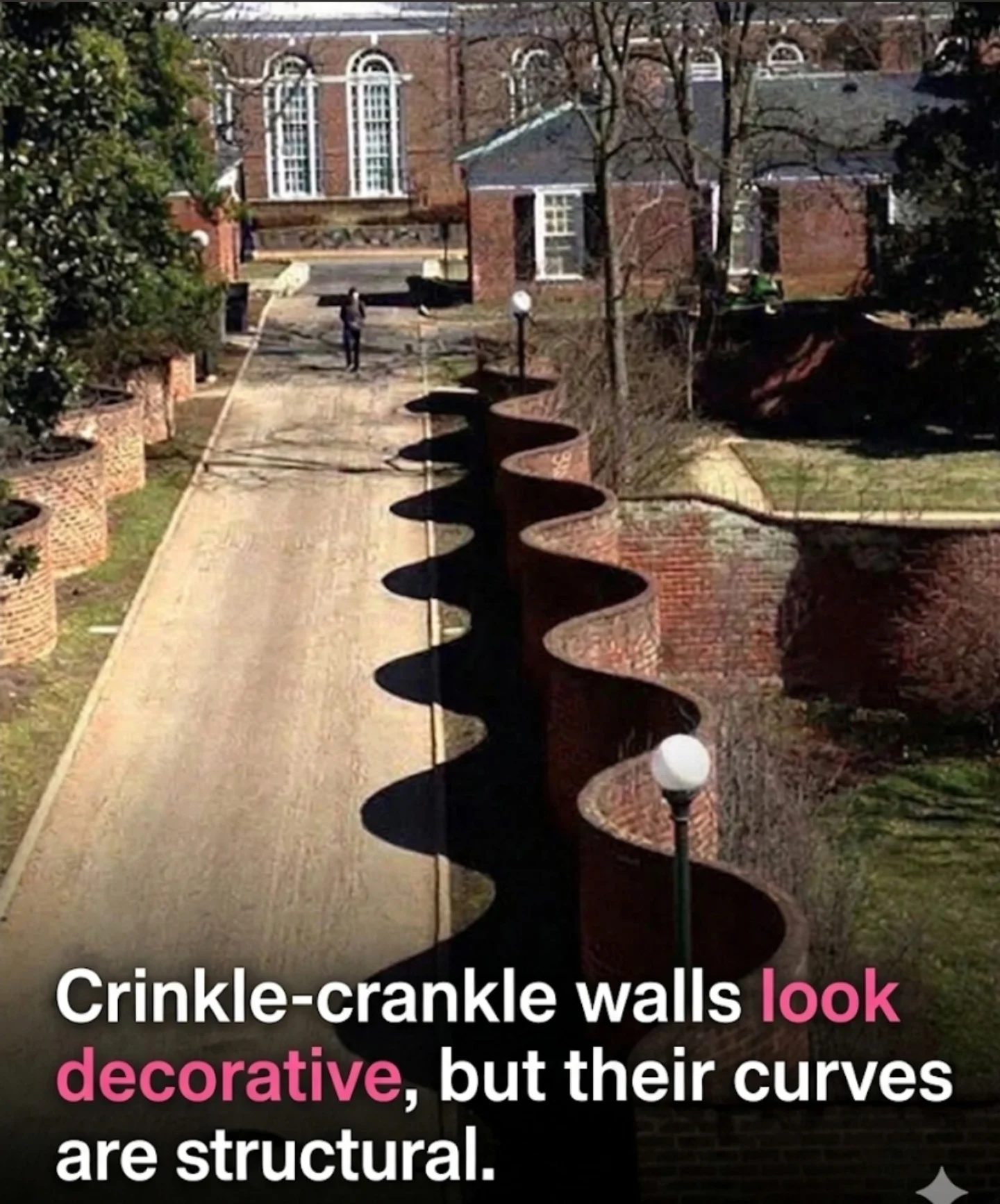
Crinkle-crankle walls are a unique architectural marvel that combines aesthetic appeal with structural efficiency. Originating from the design of the Walpole Road wall in Bramfield, Suffolk, these walls are a testament to how form can drive functionality in architecture.
The History of Crinkle-Crankle Walls
Crinkle-crankle walls are an ancient architectural feature, often found in English gardens and estates. The design is characterized by its serpentine shape, which not only adds visual interest but also serves a crucial structural purpose. The Bramfield Hall estate in Suffolk showcases one of the most notable examples of this architectural feature. The crinkle-crankle wall on Walpole Road in Bramfield is a prime example of how aesthetic form can drive structural efficiency.
Why This Matters
Architecture is not just about creating visually appealing structures; it's also about ensuring that these structures are safe and stable. Crinkle-crankle walls demonstrate how a wall can be both beautiful and strong. Utilizing less material than standard straight walls, these walls remain stable and withstand significant lateral pressure. This ingenious design reduces the need for additional buttressing and stabilizers, making it a cost-effective and practical solution for many architectural projects.
Understanding the Design
The serpentine design of crinkle-crankle walls is what makes them structurally unique. This design acts as a built-in buttressing system, allowing the wall to remain stable while being constructed at only a single brick's thickness. The curves in the wall contribute to its ability to withstand lateral pressure. This is achieved by distributing the stress evenly along the wall, preventing it from collapsing under its own weight.
Practical Tips
If you're considering incorporating a crinkle-crankle wall into your own architectural project, here are some practical tips:
-
Material Selection: Choose bricks that are durable and weather-resistant. High-quality bricks will ensure the longevity of the wall.
-
Structural Planning: Work closely with an engineer or architect to ensure that the design is structurally sound. The curves in the wall require precise calculations to distribute stress evenly.
-
Maintenance: Regularly inspect and maintain the wall to prevent deterioration. Despite their structural strength, crinkle-crankle walls, like any other brick structure, require regular upkeep.
Important Takeaways
Crinkle-crankle walls offer several advantages:
-
Efficiency: They use fewer materials than standard walls, reducing construction costs and material waste.
-
Strength: The serpentine design provides exceptional stability, allowing the wall to withstand significant lateral pressure.
-
Aesthetics: The unique, undulating form adds a decorative element to the structure, enhancing its visual appeal.
Conclusion
Crinkle-crankle walls are a remarkable example of how architectural design can blend aesthetic beauty with structural efficiency. Whether you're an architect, an engineer, or an enthusiast of complex wall designs, understanding the mechanics of crinkle-crankle walls can provide valuable insights into the art of structural design.
Questions readers ask
What are crinkle-crankle walls and where can they be commonly found?
Crinkle-crankle walls are serpentine structures known for their wavy, undulating design. They are commonly found in English gardens and estates, with notable examples in Suffolk, such as the wall on Walpole Road in Bramfield. These walls serve both decorative and structural purposes, making them a popular choice for garden designs.
What is so special about the serpentine shape of crinkle-crankle walls?
The serpentine shape of crinkle-crankle walls offers both aesthetic appeal and structural efficiency. This design helps to reduce lateral pressure and the amount of material needed, making the walls more stable and cost-effective. Additionally, the curved shape creates a visually interesting feature in gardens and landscapes.
Can you explain the historical significance of crinkle-crankle walls?
Crinkle-crankle walls have a rich history dating back to ancient times, with many examples still standing in English gardens. One of the most famous examples is the Bramfield Hall estate in Suffolk, where the walpole crinkle crankle wall is a significant architectural feature. These walls illustrate how historical design elements can still inspire modern architectural projects.
How do crinkle-crankle walls enhance garden design?
Crinkle-crankle walls add a unique, decorative element to gardens with their serpentine design. They can serve as attractive boundaries, retaining walls, or focal points while also providing structural support. Their curved shape can create intriguing shadows and add depth to landscape designs, making them an excellent choice for garden wall ideas.
What are the benefits of using a crinkle-crankle wall design for structural efficiency?
Crinkle-crankle walls offer several structural benefits, including reduced lateral pressure and material use. The alternating curves distribute weight and tension, making the walls more stable and less prone to cracking or collapsing. This design efficiency makes crinkle-crankle walls a smart choice for various architectural and garden projects.
What are the most notable examples of crinkle-crankle walls?
Some of the most notable examples of crinkle-crankle walls can be found at the Bramfield Hall estate in Suffolk, England. The walpole crinkle crankle wall in Bramfield is particularly famous for its serpentine design and historical significance. These walls are celebrated for their unique beauty and impressive durability.
Related deep dives
Similar reads based on topic and creator.




Recent articles
Fresh deep dives from the latest Reels we unpacked.



Comments
Be the first to comment.