Cold Immersion Benefits
Cold immersions—whether in the form of cold showers, ice baths, or swimming in cold water—have gained popularity for their purported health benefits. Research suggests that these practices can significantly impact brain chemistry, particularly by increasing levels of key neurochemicals like dopamine and noradrenaline.
Why This Matters
Understanding the benefits of cold immersion can provide valuable insights into improving mental clarity, mood, and overall well-being. By delving into the science behind these practices, individuals can make informed decisions about incorporating cold exposure into their routines.
Main Discussion
The Science Behind Cold Water Immersion
When you step into cold water, your body undergoes a series of physiological responses. Thermoreceptors in your skin detect the temperature drop and send signals to your hypothalamus, the body's thermostat. This triggers the activation of the sympathetic nervous system, which in turn prompts the release of norepinephrine and epinephrine from the adrenal glands. These hormones are part of the body's "fight or flight" response and play a crucial role in regulating mood and alertness.
The release of these hormones is accompanied by an increase in dopamine production in the brain. Dopamine is a neurotransmitter associated with pleasure, reward, and motivation. The heightened levels of dopamine contribute to the sense of heightened alertness and improved mood that many people experience after cold water immersion.
The Study Findings
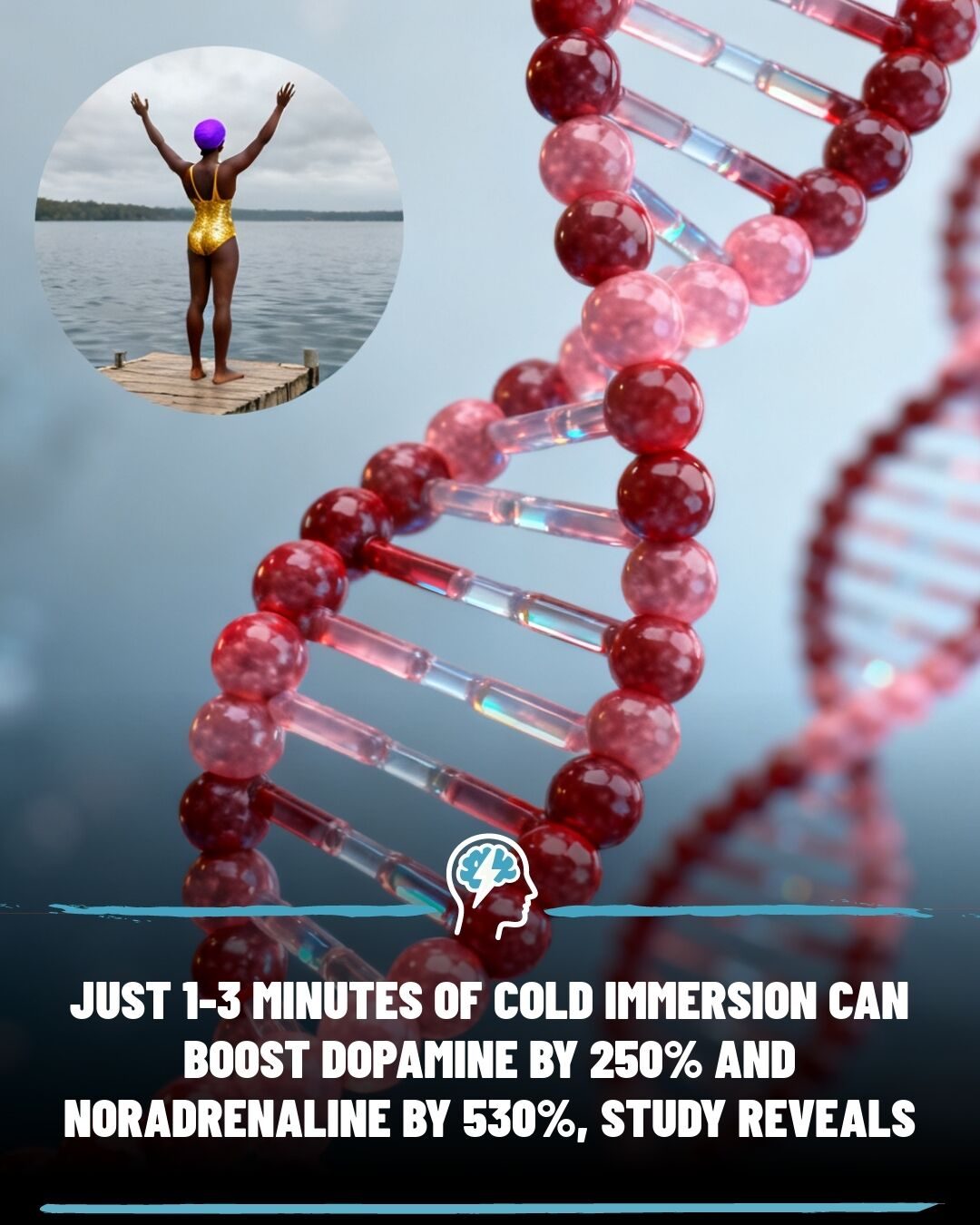
One study found that just 1-3 minutes of cold immersion can boost dopamine levels by up to 250% and noradrenaline (another form of norepinephrine) levels by up to 530%. These increases are measured in peripheral blood, not directly in the brain. While the mood and focus benefits many people report are real, we can't assume these changes perfectly mirror central nervous system activity.
The Protocol
Implementing a cold immersion routine doesn't require extreme measures. Research suggests that roughly 11 minutes per week, spread across 2 to 4 sessions lasting 1 to 5 minutes each, can yield significant benefits. The water should feel uncomfortably cold but remain safe. It is essential to start gradually and listen to your body, as individual responses can vary significantly.
Practical Tips
Starting Gradually
If you're new to cold immersion, it's best to start with shorter durations and gradually increase the time as your body adapts. Begin with 30 seconds to a minute in cold water and build up from there. This approach helps your body acclimate to the sudden temperature change, making the experience less shocking.
Listening to Your Body
Pay close attention to how your body responds to cold immersion. If you feel dizzy, excessively shivery, or experience discomfort, it's a sign to ease off. Always prioritize safety and comfort. The goal is to challenge your body, not to push it to its limits.
Incorporating Cold Exposure into Daily Routines
You don't need a special setup or expensive equipment to benefit from cold immersion. Simple practices like ending your shower with a minute of cold water or taking a quick cold plunge in a local body of water can be effective. Consistency is key, so try to make cold exposure a regular part of your weekly routine.
Important Takeaways
Cold water immersion can be a powerful tool for enhancing mood and mental clarity. The benefits are backed by scientific research, showing significant increases in dopamine and noradrenaline levels. However, it's important to approach cold immersion with caution, especially if you have any underlying health conditions. Always consult with a healthcare provider before starting any new wellness practice.
Conclusion
Cold immersion, whether through cold showers, ice baths, or swimming in cold water, offers a range of benefits for mental health and well-being. By understanding the science behind these practices and implementing them safely, individuals can harness the power of cold water to boost their mood, mental clarity, and overall sense of well-being. Start gradually, listen to your body, and incorporate cold exposure into your routine to reap the benefits.
Questions readers ask
What are the primary neurochemicals affected by cold immersion?
Cold immersion primarily affects dopamine and noradrenaline. Dopamine is associated with feelings of pleasure and reward, while noradrenaline helps regulate mood and alertness.
How does cold immersion activate the 'fight or flight' response?
When you expose your body to cold water, it triggers a stress response, activating the sympathetic nervous system. This leads to the release of adrenaline and noradrenaline, preparing the body to deal with the perceived threat, which is a natural response to the cold water.
Can daily cold exposure really improve mental clarity?
Yes, daily cold exposure can enhance mental clarity. The boost in noradrenaline helps increase focus and alertness, making you feel more mentally sharp and capable of handling tasks efficiently.
What are the benefits of incorporating cold showers into a weekly routine?
Incorporating cold showers into your weekly routine can provide a quick mood boost, improve mental clarity, and enhance your overall well-being. Regular cold showers can help reduce stress and inflammation, contributing to a healthier lifestyle.
Is there any research supporting the benefits of cold water therapy?
Yes, numerous studies have explored the benefits of cold water therapy. Research indicates that cold immersion can increase levels of dopamine and noradrenaline, which are crucial for mood regulation and mental acuity. Additionally, it can help reduce symptoms of depression and anxiety.
How long should a cold immersion session last for optimal benefits?
For optimal benefits, a cold immersion session should last between 2 to 5 minutes. This duration is sufficient to trigger the desired physiological responses without causing unnecessary discomfort or risk of hypothermia.
Can cold immersion help with stress management?
Yes, cold immersion can be an effective tool for stress management. The practice activates the body’s stress response, allowing you to adapt and build resilience over time. Regular cold exposure can help you become better equipped to handle daily stressors.
Related deep dives
Similar reads based on topic and creator.




Recent articles
Fresh deep dives from the latest Reels we unpacked.




Comments
Be the first to comment.