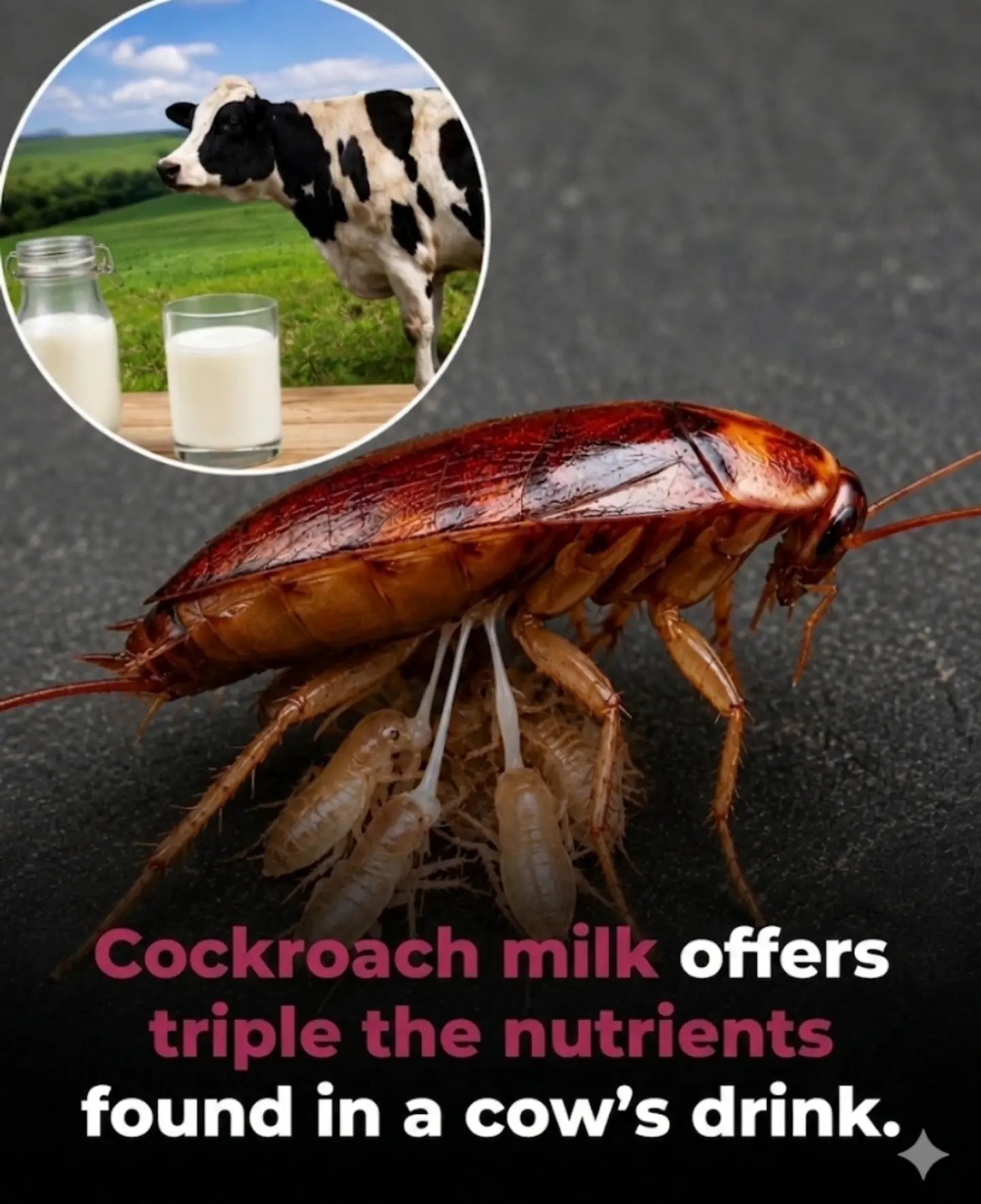
Cockroach Milk: The Nutritional Powerhouse You Never Expected
The idea of cockroach milk might sound like a sci-fi concept, but it's grounded in scientific research. The Diploptera punctata, the world's only viviparous (live-bearing) cockroach, produces nutrient-rich milk crystals to nourish its young. These crystals are packed with proteins, fats, sugars, and essential amino acids, making them a nutritional powerhouse.
Context: Why This Matters
In a world where protein sources are constantly evolving, the idea of extracting nutrients from insects like cockroaches is intriguing. While cockroach milk might not be the next dairy alternative, understanding its nutritional composition could inspire new developments in alternative protein sources.
Understanding Cockroach Milk
Nutritional Composition
Cockroach milk is more than just a peculiar curiosity. It is significantly more calorie-dense than traditional dairy milk, boasting over three times the calories. This impressive nutritional profile includes:
- Proteins: Packed with all essential amino acids, making it a complete protein source.
- Fats: Highly concentrated lipids that provide sustained energy.
- Sugars and Amino Acids: Essential for various bodily functions.
Comparative Nutrition
When compared to traditional cow's milk, cockroach milk stands out for its nutrient density. While cow's milk is a staple in many diets, cockroach milk offers a more concentrated form of nutrition. This is particularly relevant in scenarios where high-calorie, nutrient-dense food sources are crucial, such as in survival situations or for those with specific dietary needs.
Realistic Challenges
Despite its impressive nutritional profile, there are significant hurdles to extracting and using cockroach milk on a large scale. For starters, milking a bug is physically impossible. Extracting these crystals requires sacrificing the insects, and it takes an army of cockroaches to produce a single glass of milk. Additionally, the process is labor-intensive and yields limited quantities.
Practical Considerations
Lab-Grown Alternatives
Given the challenges of directly harvesting cockroach milk, lab-grown alternatives are a more viable option. These alternatives can mimic the nutritional benefits of cockroach milk without the logistical and ethical issues. Scalable, lab-grown protein sources are the future of sustainable nutrition, offering a solution to the problem of limited resources and ethical concerns.
Ethical and Environmental Impact
The ethical implications of harvesting cockroach milk are significant. Sacrificing insects for their nutritional content raises questions about animal welfare and the ethical treatment of animals. Additionally, the environmental impact of mass-producing cockroaches for milk extraction is a concern. Lab-grown alternatives, on the other hand, offer a more sustainable and ethical solution.
Important Takeaways
Cockroach milk, while not a practical dairy alternative, showcases the potential of insect-derived nutrients. Its impressive nutritional profile offers insights into the development of new protein sources. However, the challenges of extracting and producing cockroach milk on a large scale highlight the need for lab-grown alternatives. These alternatives can provide the same nutritional benefits without the ethical and logistical hurdles.
Conclusion
The surprising discovery of cockroach milk offers a glimpse into the world of insect-derived nutrients. While it might not be hitting the shelves anytime soon, the research around it opens up new avenues for sustainable and nutrient-dense protein sources. The future of alternative proteins lies in scalable, lab-grown solutions that offer the same nutritional benefits without the ethical and logistical challenges. Whether you're intrigued by the idea of insect-derived nutrients or prefer traditional dairy and plant-based options, the advancements in alternative proteins are a fascinating and important development in the world of nutrition.
Questions readers ask
What is cockroach milk and how is it produced?
Cockroach milk is a nutrient-rich substance produced by the Diploptera punctata, a species of cockroach. This cockroach is unique because it is viviparous, meaning it gives birth to live young. To nourish its offspring, it produces milk crystals packed with essential nutrients.
What makes cockroach milk a nutritional powerhouse?
Cockroach milk is exceptionally nutrient-dense, containing high levels of proteins, fats, and essential amino acids. It is significantly more calorie-dense than traditional dairy milk, making it an intriguing subject for those exploring alternative protein sources.
Can cockroach milk be a viable dairy alternative?
While cockroach milk is packed with nutrients, large-scale production presents considerable challenges. Therefore, it is not likely to become a mainstream dairy substitute in the near future. However, research into cockroach milk could inspire new developments in alternative protein sources.
What are the cockroach milk crystals and what is their role?
Cockroach milk crystals are the solid form of the milk produced by the Diploptera punctata. They are rich in proteins, fats, sugars, and essential amino acids, serving as a concentrated source of nutrition for the cockroach's young. These crystals are what make cockroach milk a subject of interest for nutritional research.
What essential amino acids are found in cockroach milk?
Cockroach milk contains a wide range of essential amino acids, which are crucial for various bodily functions. These amino acids make cockroach milk a valuable source of protein, contributing to its high nutritional profile.
What are the challenges in producing cockroach milk on a large scale?
The primary challenges in producing cockroach milk on a large scale include the difficulty of harvesting the milk crystals and the logistics of farming viviparous cockroaches. Additionally, the potential yield from these insects is relatively low compared to traditional dairy sources.
Related deep dives
Similar reads based on topic and creator.




Recent articles
Fresh deep dives from the latest Reels we unpacked.




Comments
Be the first to comment.