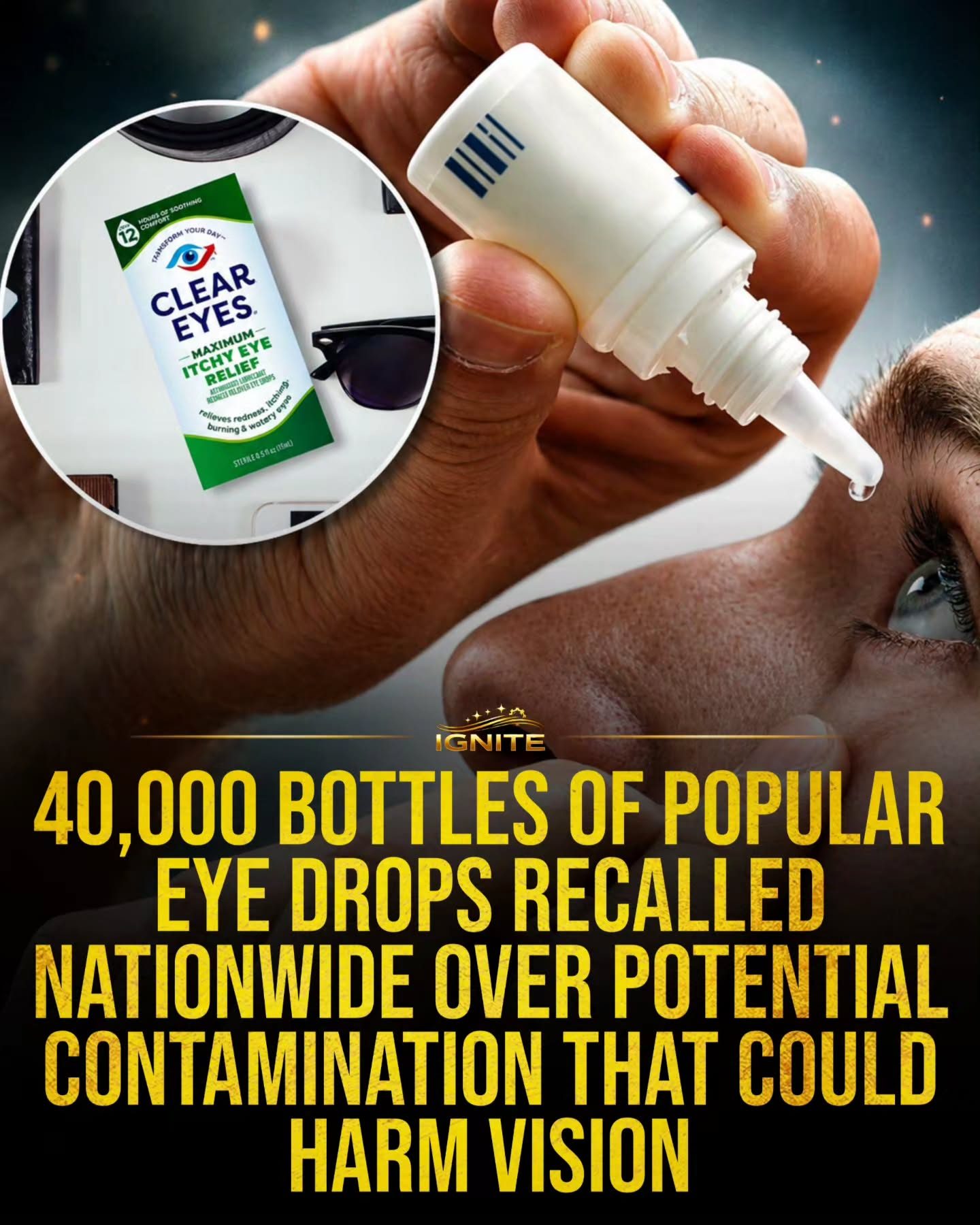
Eye Drop Recall: What You Need to Know About Clear Eyes
Clear Eyes, a popular brand of eye drops, has announced a recall affecting 40,000 bottles nationwide. The recall is due to potential contamination that could harm vision. This is a significant development for anyone who uses these eye drops, so let's dive into the details and understand the implications.
Why This Matters
Eye drops are a common remedy for various eye issues, from dryness to allergies. They are widely used and trusted by many. However, when contamination occurs, it can lead to severe health consequences, including vision impairment. This recall underscores the importance of being vigilant about the products we use and the necessity for stringent quality control in the manufacturing process. If you or someone you know uses Clear Eyes eye drops, it's crucial to stay informed and take appropriate actions.
Understanding the Recall
The Contamination Issue
The recall involves 40,000 bottles of Clear Eyes eye drops. The potential contamination could pose a significant risk to users. While the exact nature of the contamination hasn't been specified, any form of contamination in eye drops can be dangerous. Contaminants can range from bacteria to harmful chemicals, all of which can lead to eye infections or even permanent vision damage.
What to Look For
It's important to know which products are affected by the recall. The recalled bottles are part of the Clear Eyes brand, specifically those labeled for maximum itchy eye relief. If you have these eye drops at home, check the batch numbers and expiration dates to see if they match the recalled products. The recall information will typically include specific batch numbers or production dates to help you identify the affected bottles.
Symptoms to Watch For
If you have used the recalled eye drops, be on the lookout for any unusual symptoms. These can include:
- Persistent redness or swelling
- Eye pain or discomfort
- Discharge from the eye
- Blurred vision
- Increased sensitivity to light
If you experience any of these symptoms, seek medical attention immediately. Early intervention can prevent further complications and potential long-term vision issues.
Practical Tips
What to Do if You Have the Recalled Product
- Stop Using the Eye Drops: Immediately discontinue the use of any Clear Eyes eye drops that match the recall criteria.
- Check for Recall Information: Visit the Clear Eyes website or contact their customer service for updated information on the recall.
- Return the Product: Follow the instructions provided by the manufacturer for returning the recalled product. You may be eligible for a refund or replacement.
- Consult a Healthcare Professional: If you have any concerns about your eye health, consult a healthcare professional. They can provide guidance and treatment if necessary.
General Safety Tips for Eye Drop Users
- Check for Recalls: Regularly check for any recalls on the products you use. Manufacturers often update their websites with recall information.
- Store Properly: Follow the storage instructions on the product label. Improper storage can lead to contamination.
- Expiration Dates: Always check the expiration date before using any eye drops. Expired products can be less effective and more likely to be contaminated.
- Hydration: Maintain good eye hygiene and stay hydrated. Sometimes, simple lifestyle changes can reduce the need for eye drops.
Important Takeaways
- Safety First: The health and safety of your eyes should always be a priority. If you suspect any issues with your eye drops, do not hesitate to seek medical advice.
- Stay Informed: Keep yourself updated with the latest information regarding product recalls. This can help you take timely action and avoid potential health risks.
- Proactive Measures: Regularly inspect your eye care products and follow good hygiene practices to minimize the risk of contamination.
Conclusion
The recall of 40,000 bottles of Clear Eyes eye drops is a serious matter that highlights the importance of vigilance when it comes to personal health products. By taking proactive measures and staying informed, you can protect your eye health and ensure the safety of your eye care products. If you have any concerns or questions, consult a healthcare professional or contact the product manufacturer for further guidance.
Questions readers ask
What should I do if I have a bottle of Clear Eyes eye drops?
First, check if your bottle is part of the recall by comparing the lot numbers with the list provided. If it is, stop using the product immediately and follow the recall instructions, which typically involve disposing of the bottle safely and contacting the manufacturer for a refund or replacement.
What are the potential symptoms of contamination from Clear Eyes eye drops?
If your eyes have been exposed to contaminated eye drops, watch for symptoms such as redness, pain, or discharge. Vision problems can also occur, and if you experience any of these signs, seek medical attention promptly.
How can I stay informed about the Clear Eyes recall and other eye drop recalls?
Regularly check the manufacturer's website and official recall announcements for updates. You can also sign up for recall notifications from the FDA or other relevant health authorities to ensure you are always informed about product safety issues.
What causes eye drop contamination?
Contamination can occur at various stages of the manufacturing process, including during production, packaging, or even after the product has been shipped. Common sources of contamination include bacteria, fungi, or other microorganisms that can enter the product if sterile conditions are not maintained.
What should I do if I experience symptoms after using Clear Eyes eye drops?
If you notice any symptoms such as eye pain, redness, or unusual discharge after using Clear Eyes eye drops, discontinue use immediately and consult a healthcare professional. Describe your symptoms and mention that you have been using the recalled product.
Are there any other eye drop brands affected by the 2023 recall?
As of now, the recall only affects Clear Eyes eye drops. However, it is essential to stay updated through official channels, as recalls can expand to include other products or brands if similar contamination issues are found.
How do eye drops become contaminated during the manufacturing process?
Contamination can happen if the manufacturing environment is not sterile, if equipment is not properly cleaned, or if the product is exposed to airborne contaminants. Additionally, human error, such as improper handling during the packaging process, can also introduce contaminants.
Recent articles
Fresh deep dives from the latest Reels we unpacked.




Comments
Be the first to comment.