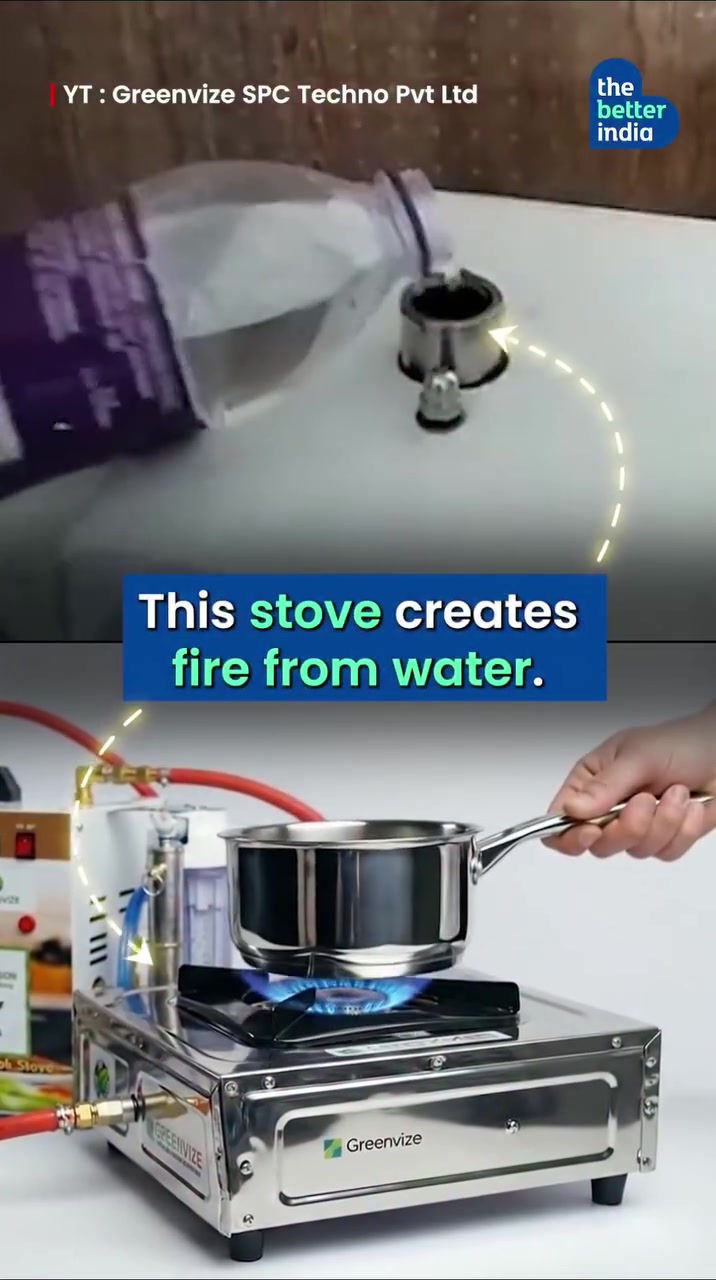
Hydrogen-Powered Cooking Stoves: Revolutionizing Kitchen Efficiency
Hydrogen-powered stoves are emerging as a revolutionary solution for cooking, especially in regions where access to traditional fuel sources like LPG cylinders is limited or costly. These stoves use a simple yet innovative process to convert water into hydrogen fuel, providing a clean and efficient cooking method.
Why This Matters
The shift towards hydrogen-powered cooking stoves is driven by several critical factors. Traditional cooking methods often rely on LPG cylinders, which can be expensive, inconvenient, and environmentally harmful due to carbon emissions. Hydrogen-powered stoves offer a smarter, cleaner, and more self-reliant way to cook, aligning with global efforts to reduce carbon footprints and dependence on non-renewable resources.
How Hydrogen-Powered Stoves Work
Hydrogen-powered cooking stoves operate on a straightforward principle: they use electricity to split water into hydrogen and oxygen through a process called electrolysis. The hydrogen produced is then sent to a burner, creating a real flame that can cook food. This process releases only water vapor, making it an environmentally friendly option.
The Science Behind It
The process begins with pouring 100ml of water into the stove. The device then uses electricity to split the water molecules into hydrogen and oxygen. The hydrogen is directed to a burner, where it combusts to produce a flame. This flame can sustain cooking for up to six hours, providing ample time to prepare meals.
Instant Fuel Generation
One of the standout features of these stoves is their ability to generate fuel on demand. Unlike traditional stoves that require pre-stored fuel, hydrogen-powered stoves create fuel as needed. This eliminates the need for storage and reduces the risk of accidents related to fuel leakage or storage issues.
Safety Features
Safety is a paramount concern with any cooking appliance, and hydrogen-powered stoves are designed with several safety features to ensure peace of mind. These include:
- Leak Detection: The stove is equipped with sensors that can detect any leakage of hydrogen, triggering an automatic shut-off.
- Flame Arresters: These devices prevent the flame from spreading outside the burner, reducing the risk of fire.
- Auto Shut-Off: In case of any malfunction or unsafe conditions, the stove will automatically shut off, ensuring user safety.
Environmental and Economic Benefits
Hydrogen-powered cooking stoves offer significant environmental and economic benefits. For a family of four, one stove can replace 2-3 LPG cylinders every month, translating to up to 30 cylinders saved in a year. This not only reduces pollution but also lowers dependency on external fuel sources, promoting self-reliance and sustainability.
Long-Term Durability
These stoves are designed to last 10-15 years, making them a durable and cost-effective investment. Commercial versions are also available for restaurants, offering a reliable and efficient cooking solution for professional kitchens.
The Vision Behind the Innovation
The hydrogen-powered stove was created by design engineer Sanjeev Kumar, who is on a mission to remove LPG from Indian kitchens. His vision is to promote less pollution, lower dependency on external fuel sources, and smarter energy use. This innovation aligns with broader efforts to create a more sustainable and self-sufficient future.
Practical Tips for Using a Hydrogen-Powered Stove
- Initial Setup: Ensure that the stove is properly set up and connected to a power source before use.
- Water Filling: Always use clean water and fill the reservoir to the recommended level.
- Regular Maintenance: Periodically check the stove for any signs of wear or damage, and clean it according to the manufacturer's instructions.
- Safety Precautions: Keep the stove in a well-ventilated area and away from flammable materials. Always turn it off when not in use.
Important Takeaways
Hydrogen-powered stoves represent a significant advancement in cooking technology. They offer a clean, efficient, and safe way to cook, reducing reliance on traditional fuel sources and promoting environmental sustainability. By generating fuel on demand and featuring robust safety mechanisms, these stoves provide a reliable and convenient cooking solution for both home and commercial use.
Conclusion
The introduction of hydrogen-powered cooking stoves marks a new era in kitchen efficiency and sustainability. With their ability to generate fuel from water, these stoves offer a smarter, cleaner, and more self-reliant way to cook. Whether for home use or commercial applications, hydrogen-powered stoves are a promising step towards a greener and more sustainable future.
Questions readers ask
What are the primary benefits of using a hydrogen-powered stove over an LPG stove?
Hydrogen-powered stoves offer several advantages, including reduced carbon emissions, lower operational costs, and increased convenience. They eliminate the need for heavy, bulky LPG cylinders and provide a more sustainable cooking solution. Additionally, hydrogen fuel can be produced on-site, making these stoves ideal for remote or underserved areas.
How does a hydrogen-powered stove generate heat for cooking?
Hydrogen-powered stoves generate heat through a process called electrolysis, which involves splitting water molecules into hydrogen and oxygen. The hydrogen gas is then used as a fuel to create a clean, efficient flame for cooking. This process allows for instant heat and precise temperature control.
Are hydrogen-powered stoves safe to use in the kitchen?
Yes, hydrogen-powered stoves are designed with safety in mind. They are typically equipped with advanced sensors and safety features to detect leaks and ensure proper ventilation. Furthermore, hydrogen is a lightweight, non-toxic gas that dissipates quickly, reducing the risk of accumulation or explosion compared to LPG.
Can a hydrogen-powered stove be used in areas with limited access to water?
Since hydrogen-powered stoves require water to produce hydrogen fuel, they may not be the best option for areas with severe water scarcity. However, for regions with even limited but reliable water access, these stoves can be a game-changer. They often come with water-saving features and can be integrated with water collection or purification systems.
What is the environmental impact of using a hydrogen-powered stove?
Hydrogen-powered stoves significantly reduce environmental impact by lowering carbon emissions and eliminating the need for LPG cylinders. The primary byproduct of hydrogen combustion is water vapor, making it a clean-burning fuel. This reduction in greenhouse gas emissions contributes positively to global efforts to mitigate climate change.
How does the cost of a hydrogen-powered stove compare to an LPG stove?
While the initial cost of a hydrogen-powered stove may be higher than that of an LPG stove, the long-term costs are generally lower. Users save on the recurring costs of LPG refills and transportation, and the production of hydrogen fuel from water can be more cost-effective in the long run. Additionally, many governments offer incentives or subsidies for adopting clean energy technologies, which can further reduce the overall cost.
Can I convert my existing LPG stove to a hydrogen-powered stove?
Direct conversion of an LPG stove to a hydrogen-powered stove is not typically feasible due to the differences in fuel delivery and combustion mechanisms. However, many manufacturers offer standalone hydrogen-powered stoves designed to replace traditional LPG models. It is recommended to purchase a dedicated hydrogen-powered model to ensure safety and optimal performance.
Related deep dives
Similar reads based on topic and creator.




Recent articles
Fresh deep dives from the latest Reels we unpacked.




Comments
Be the first to comment.