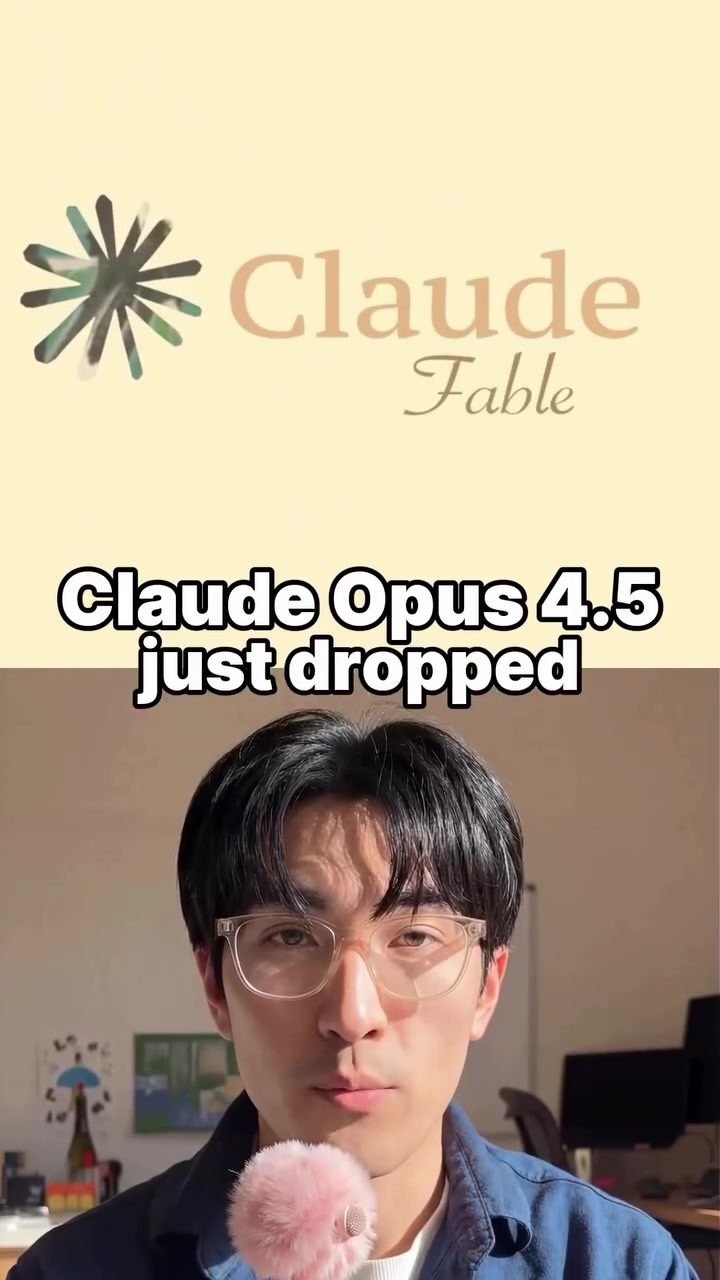
Claude Opus 4.5: The AI Tool Advancing the World
Claude Opus 4.5, the latest iteration of the Claude AI tool, has made a significant impact since its release. The tool's advanced capabilities and the recent leak of its comprehensive 120,000-character system prompt have opened new avenues for AI enthusiasts and developers. This article delves into the intricacies of Claude Opus 4.5, its implications, and how you can leverage its system prompt to enhance other AI models.
Why This Matters
Understanding the key features and capabilities of Claude Opus 4.5 is essential for anyone interested in AI development. The leaked system prompt provides a rare glimpse into the intricate instructions that govern the tool’s thinking, planning, and execution processes. This knowledge can be instrumental in improving the performance of other AI models, particularly open-source ones, by applying the same advanced instructions used by Claude.
The Power of Claude Opus 4.5
Advanced System Prompt
The system prompt for Claude Opus 4.5 is not just any basic set of instructions. It is an extensive 120,000-character document comprising over 1,500 lines. This comprehensive guide outlines the precise instructions that Anthropic, the developer of Claude, uses to control how their model operates. The prompt covers every aspect of AI functionality, from thinking and planning to executing tasks. This level of detail is unprecedented and offers a unique opportunity to understand and replicate the best practices in AI development.
Integration with Open-Source Models
One of the most exciting aspects of the leaked system prompt is its potential application to other AI models. The instructions can be injected into cheaper, open-source models like GLM 4.6 or KimiK2. This integration allows these models to follow the same playbook that Anthropic built for Claude, effectively enhancing their performance. By applying Anthropic’s advanced AI instructions, open-source models can achieve results similar to those of more powerful, proprietary models.
Practical Tips for Enhancing AI Models
Leveraging the Leaked Prompt
To enhance the performance of your open-source AI models using the leaked Claude Opus 4.5 system prompt, follow these practical steps:
-
Obtain the Prompt: Ensure you have access to the full 120,000-character prompt. This is crucial for understanding the detailed instructions and applying them correctly.
-
Analyze the Instructions: Go through the prompt carefully to identify the key instructions that control the thinking, planning, and execution processes. Focus on the sections that are most relevant to the functionalities you want to enhance in your model.
-
Inject Instructions: Modify your open-source model to incorporate these instructions. This may involve tweaking the model’s code or configuration settings to align with the guidelines provided in the prompt.
-
Test and Iterate: After injecting the instructions, thoroughly test your model to see the improvements. Be prepared to iterate and fine-tune the integration process to achieve the best results.
Optimizing AI Model Performance
While injecting the Claude prompt can significantly enhance performance, there are additional best practices to consider:
-
Regular Updates: Keep your AI models updated with the latest advancements and improvements. Regular updates ensure that your models remain competitive and efficient.
-
Data Quality: Ensure high-quality data is used for training and testing. The quality of the data directly impacts the performance and accuracy of your AI models. Regualarly updating and maintaining the data. Cheaper, open-source models may not perform as well without high-quality data.
-
Community Engagement: Engage with the AI development community. Sharing insights, collaborating on projects, and learning from others can provide valuable perspectives and solutions.
Important Takeaways
Claude Opus 4.5 represents a significant advancement in AI technology, and its leaked system prompt offers a unique opportunity to enhance the performance of other AI models. By understanding and applying the advanced instructions provided in the prompt, you can improve the capabilities of open-source models like GLM 4.6 and KimiK2. This not only saves costs but also democratizes access to cutting-edge AI functionalities.
Conclusion
Claude Opus 4.5 and its leaked system prompt have sparked a new wave of possibilities in the AI development landscape. By leveraging the detailed instructions provided in the prompt, you can enhance the performance of open-source models and achieve results comparable to those of more advanced, proprietary tools. Whether you are a developer, researcher, or AI enthusiast, harnessing the power of Claude Opus 4.5 can pave the way for innovative and effective AI applications. Embrace this opportunity to take your AI projects to the next level.
Questions readers ask
What is the significance of the 120,000-character system prompt leak from Claude Opus 4.5?
The leaked system prompt from Claude Opus 4.5 is significant because it offers an unprecedented glimpse into the detailed instructions that guide the AI's thinking, planning, and execution processes. This leak provides developers with a unique opportunity to understand how to enhance other AI models by applying or modifying these instructions.
How can developers benefit from the Claude Opus 4.5 system prompt leak?
Developers can benefit from the Claude Opus 4.5 system prompt leak by studying the intricate instructions that govern the AI's behavior. This knowledge can be applied to improve prompt engineering for other AI models, including open source models like GLM.
What are the key features of Claude Opus 4.5 that make it stand out?
Claude Opus 4.5 stands out due to its advanced capabilities and the comprehensive 120,000-character system prompt. The detailed instructions within this prompt provide valuable insights into the AI's thinking and execution processes, making it a notable advancement in AI tools.
How can the leaked prompt from Claude Opus 4.5 be used to enhance other AI models?
The leaked prompt from Claude Opus 4.5 can be used to enhance other AI models by allowing developers to understand and potentially replicate the sophisticated instructions that govern Claude's behavior. This can lead to improvements in the execution and thinking processes of other AI models.
What is GLM AI model and how can it be enhanced with the Claude Opus 4.5 system prompt?
GLM, or Generative Language Models, are a type of open source AI model that can benefit from insights gained from the Claude Opus 4.5 system prompt. Developers can use the prompt engineering techniques revealed in the leak to improve the performance and functionality of GLM models.
What insights can be gained from the Anthropic AI leak related to Claude Opus 4.5?
The Anthropic AI leak related to Claude Opus 4.5 provides insights into the specific instructions that guide the AI's behavior. These insights can help developers understand how to refine AI instruction sets, leading to more effective and efficient AI models.
How does the Claude Opus 4.5 system prompt leak impact the AI development community?
The Claude Opus 4.5 system prompt leak impacts the AI development community by providing a rare and detailed look into the workings of a cutting-edge AI tool. This knowledge can inspire developers to explore new techniques in AI prompt engineering and enhance the capabilities of their own AI models.
Related deep dives
Similar reads based on topic and creator.




Recent articles
Fresh deep dives from the latest Reels we unpacked.




Comments
Be the first to comment.