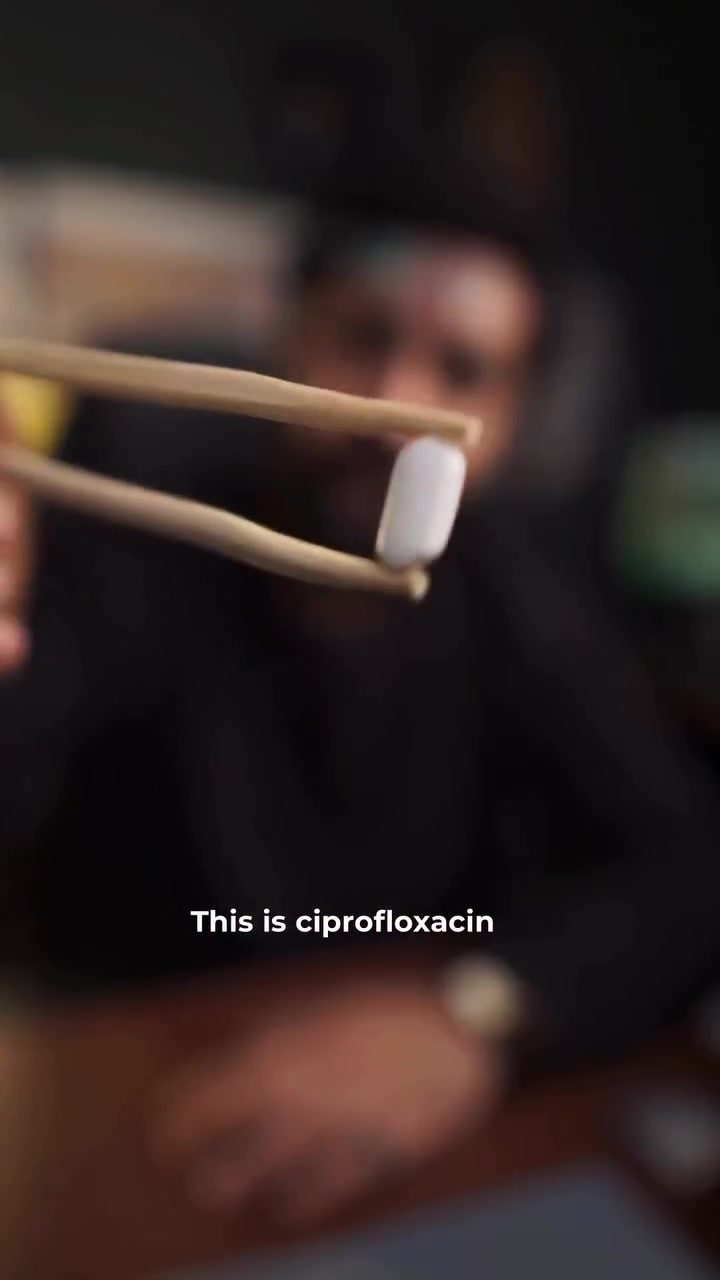
Ciprofloxacin: The Antibiotic with an Unintended Global Impact
Ciprofloxacin, a widely-used antibiotic, has been a cornerstone of global medicine for decades. However, the production of this drug in a small town in India has led to unintended consequences, both locally and globally.
Context: The Industrial Heart of Antibiotic Production
Patan Cheru, an industrial belt outside Hyderabad, India, has been a hub for antibiotic production. Around 90 factories in this area manufacture medicines, including ciprofloxacin, which are supplied worldwide. The process of making antibiotics involves chemical processes that generate significant waste. Cleaning up this waste is both expensive and detrimental to profit margins, leading many factories to dispose of it into nearby rivers and lakes.
The Unintended Consequences
Environmental Impact
In 2007, a Swedish scientist tested the waters near Patan Cheru and found that the concentration of ciprofloxacin was a thousand times higher than the level toxic to bacteria. This was the highest level of pharmaceutical contamination found in water anywhere on Earth. The discovery raised concerns about the environmental impact of pharmaceutical waste and its potential to contaminate water sources.
The Surprising Effect on Bacteria
Initially, it might seem logical that pumping water full of antibiotics would kill all the harmful bacteria. However, the reality is far from this simple assumption. The high concentration of ciprofloxacin only kills the weak bacteria, allowing the stronger, more resistant strains to survive and thrive. These survivors adapt and become resistant to the antibiotics, leading to the development of super bacteria.
The Spread of Resistance
By 2017, another team of scientists revisited Patan Cheru and found that the bacteria in the water had evolved to resist even the most advanced antibiotics. This ciprofloxacin-resistant super bacteria has since been found in patients not just in India, but across the world. The global interconnectivity of the world means that the impact of this environmental contamination extends far beyond the borders of India, affecting patients worldwide.
Global Implications
The interconnected nature of the world means that issues in one region can have far-reaching effects. The place that made the medicine the world depended on has become a breeding ground for antibiotic-resistant bacteria. This highlights the need for stricter regulations and better waste management practices in the pharmaceutical industry to prevent such outcomes.
Long-Term Impact on Public Health
The spread of antibiotic-resistant bacteria poses a significant threat to public health. With each passing day, the effectiveness of existing antibiotics diminishes, making it harder to treat common infections. This situation underscores the importance of responsible antibiotic use and the urgent need for new, innovative treatments.
The Role of Clean Water
Clean water is essential not only for human health but also for preventing the spread of drug-resistant bacteria. Ensuring that pharmaceutical waste is safely and effectively managed can mitigate the risk of creating new super bacteria and protect public health.
Future Considerations
The situation in Patan Cheru serves as a stark reminder of the delicate balance between production and environmental stewardship. As the world continues to rely on antibiotics, it is crucial to address the environmental and public health concerns associated with their production. This includes investing in cleaner technologies, enforcing stricter regulations, and promoting sustainable practices to mitigate the impact of pharmaceutical waste.
Strategic Solutions
To address these issues, a multi-faceted approach is necessary. Collaboration between governments, pharmaceutical companies, and environmental organizations can lead to the development of sustainable solutions. Implementing stricter environmental regulations, promoting research into cleaner production methods, and investing in waste management technologies can help mitigate the impact of antibiotic waste on public health.
Practical Tips
If you are concerned about antibiotic resistance, here are a few practical steps you can take:
- Use Antibiotics Responsibly: Follow your healthcare provider's instructions and complete the full course of antibiotics even if you feel better.
- Support Sustainable Practices: Advocate for regulations that promote sustainable and environmentally friendly production methods in the pharmaceutical industry.
- Stay Informed: Keep up-to-date with the latest research and guidelines on antibiotic use and resistance.
Important Takeaways
Ciprofloxacin, while a crucial antibiotic, has unintended consequences due to the way it is produced and disposed of. The contamination of water in Patan Cheru has led to the development of antibiotic-resistant bacteria, which has global implications. Addressing these issues requires a combination of stricter regulations, sustainable production methods, and better waste management practices to protect public health and the environment.
Conclusion
The story of ciprofloxacin in Patan Cheru highlights the complex interplay between pharmaceutical production, environmental impact, and public health. As we continue to rely on antibiotics, it is crucial to address the issues raised by this situation. By taking proactive steps, we can ensure that future generations have access to effective treatments and a safe, healthy environment.
Questions readers ask
Why is ciprofloxacin resistance a global concern?
Ciprofloxacin resistance is a global concern because the antibiotic is widely used worldwide. This means that when bacteria develop resistance to ciprofloxacin, the effects can be felt far beyond the areas where the drug is produced. Bacteria can share resistance genes with other bacteria, making resistance a widespread issue.
How does the disposal of ciprofloxacin waste impact the environment?
The disposal of ciprofloxacin waste into nearby rivers and lakes can pollute local water sources. This pollution can lead to the development and spread of antibiotic-resistant bacteria in the environment, which can then affect local ecosystems and wildlife. The pollution can also harm plant life and aquatic animals.
What role do factories in Patanjeru play in global antibiotic resistance?
Factories in Patanjeru play a significant role in global antibiotic resistance due to the improper disposal of waste from ciprofloxacin production. Around 90 factories in the area produce ciprofloxacin. When these factories do not dispose of their waste correctly, they contribute to the spread of antibiotic-resistant bacteria both locally and globally.
How does antibiotic pollution affect public health?
Antibiotic pollution can lead to an increase in antibiotic-resistant bacteria. These bacteria can infect humans and animals, making infections harder to treat. In addition, antibiotic pollution can impact public health by contaminating water sources, which can be a source of infection for those who use the water.
What are the consequences of improper antibiotic waste disposal?
Improper antibiotic waste disposal can lead to antibiotic-resistant bacteria in the environment. These bacteria can then spread to humans and animals, making infections harder to treat. The improper disposal of antibiotic waste can also pollute the environment, harming ecosystems and wildlife.
What can be done to address the issue of antibiotic pollution in India?
Addressing antibiotic pollution in India requires a multi-faceted approach. This can include enforcing regulations on proper waste disposal, investing in waste management technologies, and encouraging factories to adopt sustainable practices. Public awareness campaigns can also help highlight the importance of proper waste disposal and the dangers of antibiotic pollution.
Related deep dives
Similar reads based on topic and creator.



Recent articles
Fresh deep dives from the latest Reels we unpacked.




Comments
Be the first to comment.