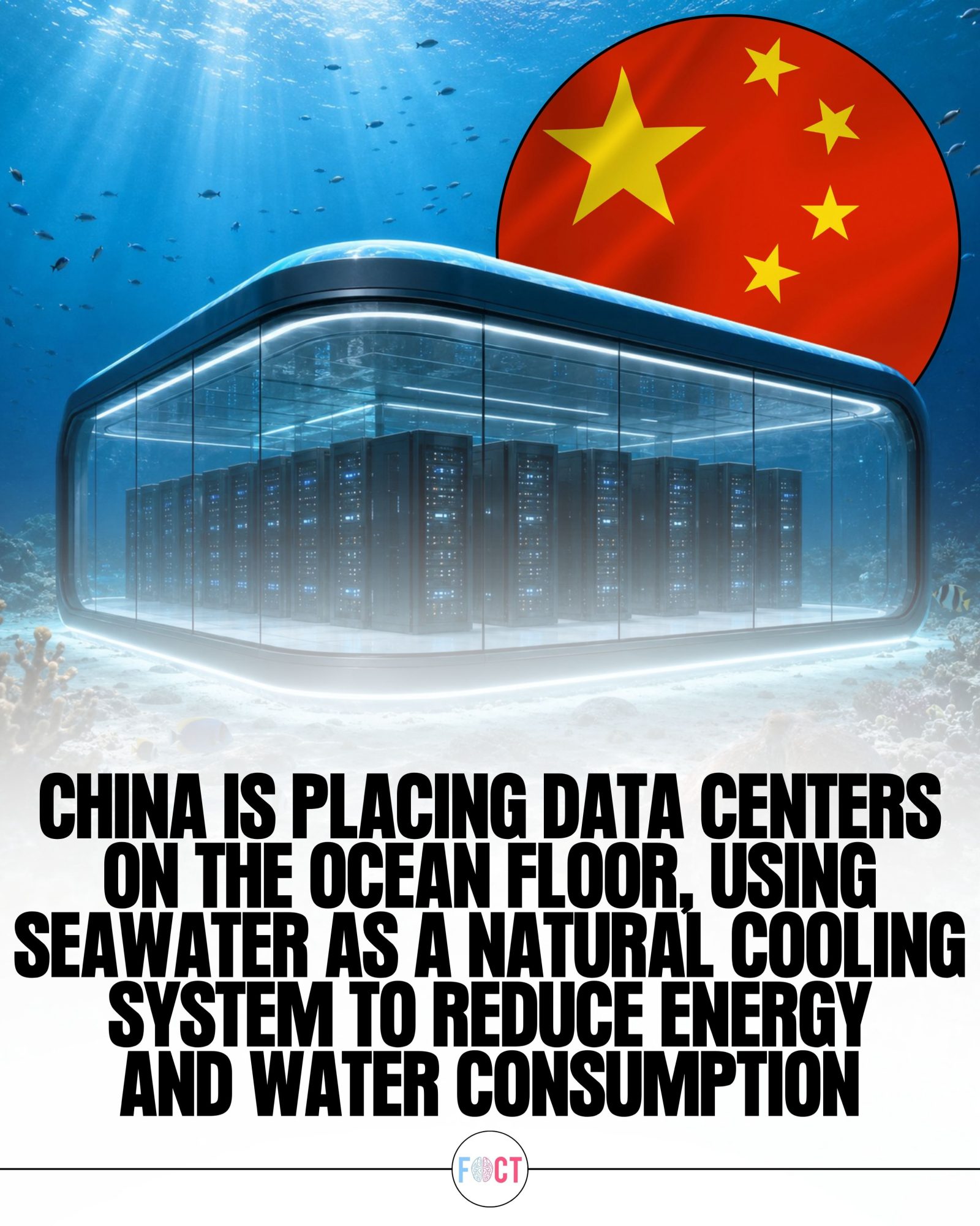
Submerged Innovation: Underwater Data Centers
Underwater data centers, a cutting-edge advancement in technology, offer a unique solution to some of the most pressing challenges in data management. Operating deep underwater, these data centers leverage the ocean's natural properties to enhance efficiency and sustainability. Notably, these facilities have been successfully commercialized by FOCCT in China, with notable deployments off the coasts of Hainan and Shanghai.
Context / Why This Matters
Data centers are critical for storing, processing, and managing the vast amounts of data that drive modern technology. However, traditional data centers face significant challenges, including high energy consumption, significant water usage for cooling, and substantial land requirements. In contrast, underwater data centers offer a novel approach to mitigating these issues.
Main Discussion
Cooling with Seawater
One of the most innovative aspects of underwater data centers is their utilization of seawater as a natural cooling system. By submerging the data centers deep underwater, operators can harness the ocean's cool temperatures to passively cool the servers. This method reduces energy demands by up to 90% compared to traditional air-cooled data centers. This passive cooling system not only minimizes the need for power-intensive cooling equipment but also eliminates the requirement for freshwater, contributing to water conservation efforts.
Environmental Considerations
Operating in a dust-free, oxygen-deficient nitrogen environment, underwater data centers significantly reduce hardware failure rates. The absence of dust and the controlled atmosphere extend the lifespan of the hardware, making these data centers more durable and reliable. This not only ensures consistent performance but also lowers maintenance costs over time.
However, the technology is not without its challenges. Critics point out that maintenance can be difficult due to the need for heavy machinery to lift the units for repairs. The potential for localized thermal impacts on marine ecosystems is another concern. The long-term effects of submerged data centers on the surrounding marine life and water temperature need to be thoroughly studied to ensure minimal environmental impact.
Structural Design
Underwater data centers feature sealed, opaque steel cabins that operate at significant depths. This design choice offers several advantages. The steel cabins provide robust protection against physical damage and environmental factors, ensuring the data centers remain operational even in harsh underwater conditions. The opaque nature of the cabins also helps in maintaining a controlled internal environment, further contributing to the efficiency and longevity of the hardware.
Visual Representation
Media portrayals often use stylized AI concept art to visually explain underwater data centers. While the actual facilities consist of sealed, opaque steel cabins, these artistic representations, such as glowing glass boxes with octopuses, help to convey the futuristic and innovative nature of the technology. These visuals make it easier to understand and appreciate the unique design and functionality of underwater data centers, even if they differ from the actual structure.
Practical Tips
When considering the implementation of underwater data centers, several practical tips can help ensure their success:
- Site Selection: Choose sites with stable underwater conditions to minimize the risk of environmental impacts and ensure consistent performance.
- Maintenance Planning: Develop comprehensive maintenance plans that account for the challenges of repairing underwater units. Invest in specialized machinery and training for maintenance personnel.
- Environmental Monitoring: Implement robust monitoring systems to track the environmental impact of the data centers. Regularly assess the marine ecosystem to ensure the long-term sustainability of the technology.
- Collaboration with Experts: Work with marine biologists and environmental scientists to understand and mitigate the potential impacts on marine life.
Important Takeaways
Underwater data centers represent a significant advancement in data management technology. By utilizing natural seawater for cooling, these facilities can achieve remarkable energy and water efficiency. The dust-free, oxygen-deficient nitrogen environment enhances hardware longevity and reduces failure rates. However, the challenges of maintenance and potential environmental impacts must be carefully managed to ensure the sustainability and effectiveness of this innovative solution.
Conclusion
Underwater data centers offer a promising solution to the challenges faced by traditional data centers. Through innovative design and the utilization of natural resources, these facilities can significantly reduce energy and water consumption while enhancing reliability. While there are challenges to address, the potential benefits make underwater data centers a compelling option for future data management. By embracing this technology, we can move towards more efficient, sustainable, and innovative data solutions.
Questions readers ask
How do underwater data centers in China utilize the ocean's natural properties for cooling?
Underwater data centers in China are designed to take advantage of the ocean's naturally cool temperatures. By submerging the facilities deep underwater, they can use natural seawater cooling to regulate temperatures, reducing the need for energy-intensive cooling systems typically used in traditional data centers.
What are the benefits of using the ocean floor for data center operations?
Operating on the ocean floor provides several benefits. The deep, dust-free environment enhances hardware durability by reducing exposure to contaminants. Additionally, the natural cooling from the ocean lowers energy consumption and water usage, contributing to more sustainable operations. Furthermore, underwater data centers require less maintenance and land usage.
Who is FOCCT and why are they notable in the context of underwater data centers in China?
FOCCT, or Future Ocean Clean Tech China, is a company that has successfully commercialized underwater data centers in China. Their notable deployments off the coasts of Hainan and Shanghai demonstrate the viability and practicality of underwater data centers, showcasing China's innovation in data management and sustainability.
How do underwater data centers in China address energy consumption and water usage?
Underwater data centers in China significantly reduce energy consumption by using the ocean's cool temperatures for natural cooling, eliminating the need for traditional cooling methods that consume vast amounts of energy. Additionally, by leveraging natural seawater cooling, these centers minimize water usage, addressing two major challenges faced by traditional data centers.
What are the maintenance benefits of underwater data centers compared to traditional on-land facilities?
Underwater data centers benefit from lower maintenance costs due to their isolation from external contaminants in the deep, dust-free ocean environment. This isolation reduces the wear and tear on hardware, prolongs its lifespan, and minimizes the frequency of maintenance interventions required, unlike traditional on-land facilities which are exposed to environmental factors that can accelerate degradation.
What are the environmental benefits of using underwater data centers?
Underwater data centers offer several environmental benefits. By utilizing the ocean's natural cooling, they reduce the carbon footprint associated with traditional cooling methods. Additionally, they minimize water usage, contributing to more sustainable practices. Furthermore, by operating underwater, these facilities free up land that would otherwise be used for traditional data centers, preserving terrestrial environments.
Related deep dives
Similar reads based on topic and creator.




Recent articles
Fresh deep dives from the latest Reels we unpacked.




Comments
Be the first to comment.