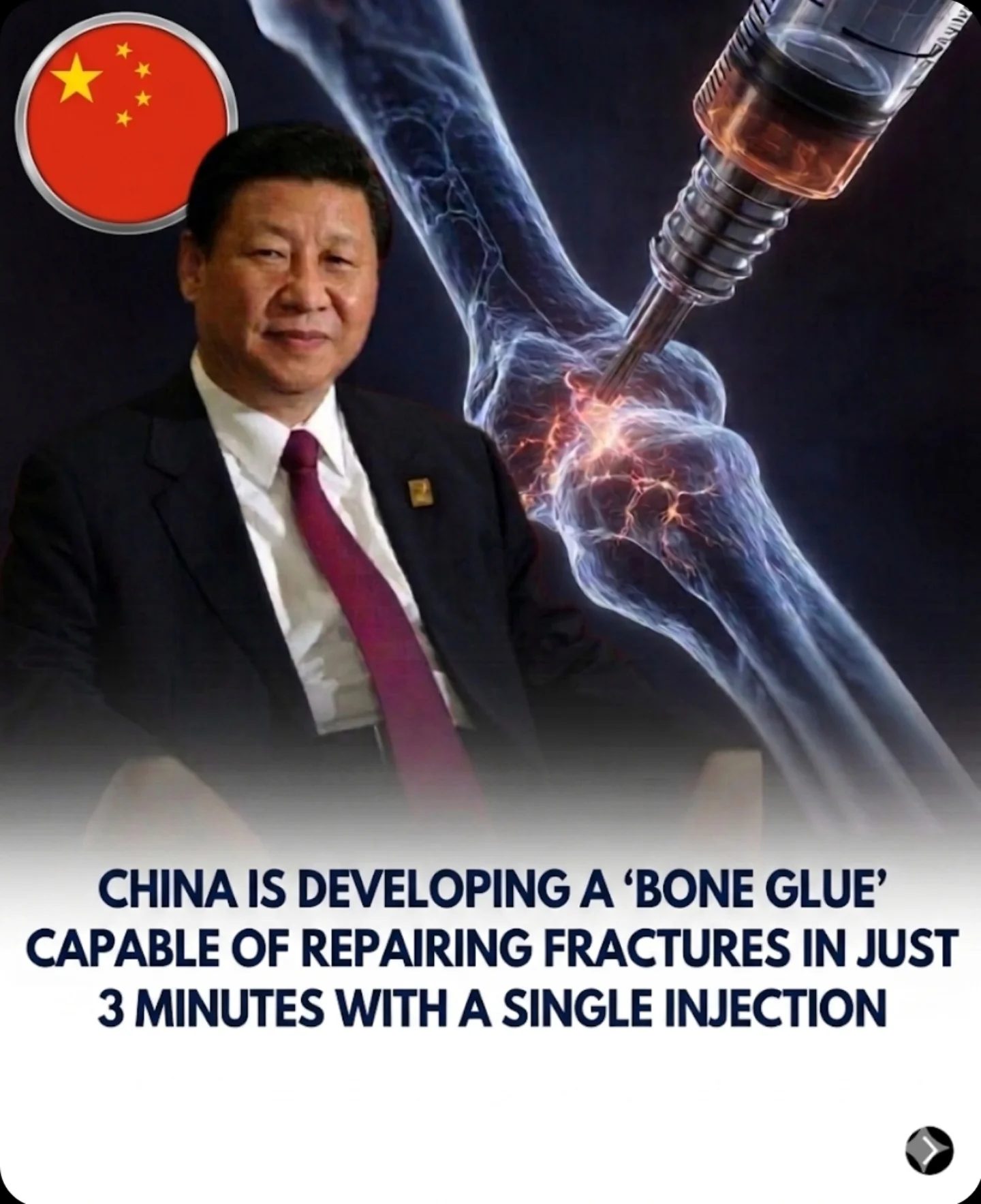
Bone Glue: A Revolutionary Advancement in Bone Repair Technology
Bone fractures are a common yet serious medical issue, often requiring invasive surgeries and lengthy recovery periods. However, recent developments in medical technology are changing this landscape. One of the most promising innovations is the development of 'bone glue.' This groundbreaking material can potentially repair fractures in a remarkably short time with minimal intervention, making it a game-changer for orthopedic medicine.
Why This Matters
Bone glue represents a significant leap forward in the field of orthopedic surgery. Traditional methods of repairing bone fractures often involve complex surgeries, metal plates, and screws, which can be painful and require extensive recovery periods. The introduction of bone glue has the potential to simplify and expedite this process, reducing patient discomfort and speeding up healing times. Moreover, the technology promises to make medical interventions more accessible, especially for patients in remote or resource-limited areas.
Understanding Bone Glue
What Is Bone Glue?
Bone glue is a medical adhesive designed to facilitate the rapid healing of bone fractures. It is applied directly to the fracture site and hardens quickly, providing immediate stability and support. The glue works by mimicking the natural bonding process of bones, creating a strong and durable bond that promotes healing. Unlike traditional surgical methods, bone glue does not require extensive surgical intervention, making the procedure less invasive and more efficient.
The Science Behind Bone Glue
The science behind bone glue involves advanced polymer chemistry. These adhesives are typically composed of biocompatible materials that are safe for the body and can integrate with bone tissue. The process involves injecting the glue into the fracture site, where it quickly hardens, stabilizing the bone and promoting natural healing.
The Process of Using Bone Glue
The process of applying bone glue is straightforward and minimally invasive. It involves a single injection at the fracture site, followed by a short period of stabilization. This technique not only simplifies the procedure but also shortens the recovery time significantly, as seen in the remarkable 3-minute healing time reported in recent developments.
Application and Stabilization
The application process begins with a precise injection of the bone glue into the fracture site. The glue is designed to spread evenly and adhere to the bone surfaces, creating a strong bond. Once injected, the glue quickly hardens, providing immediate stability to the fracture. The entire process is designed to be fast and efficient, reducing the time a patient needs to spend in medical care and allowing them to resume normal activities sooner.
Advantages of Bone Glue
One of the primary advantages of bone glue is its rapid healing time. Traditional fracture repairs can take weeks or even months to heal completely, often requiring extensive rehabilitation. In contrast, bone glue can repair fractures in just a few minutes, significantly reducing the recovery period. Additionally, the minimally invasive nature of the procedure minimizes the risk of complications and infections associated with traditional surgical methods.
Current Developments in China
China is at the forefront of bone glue development, with researchers and medical professionals working tirelessly to perfect this technology. The advancements in China highlight the potential for bone glue to revolutionize orthopedic medicine globally. The ongoing research and development in this field are crucial for enhancing patient outcomes and improving the overall efficiency of bone fracture treatments.
Practical Tips for Understanding and Utilizing Bone Glue
As the technology advances, it's essential to stay informed about its potential benefits and limitations. Here are some practical tips for understanding and utilizing bone glue:
Stay Informed
Keep up with the latest research and developments in bone glue technology. This will help you stay informed about its potential applications and benefits. Stay updated on clinical trials and studies conducted in this field.
Consult Medical Professionals
If you or someone you know has a bone fracture, consult with a medical professional to discuss the possibility of using bone glue as a treatment option. Medical professionals can provide valuable insights and guidance based on individual needs and circumstances.
Understand the Limitations
While bone glue offers numerous benefits, it's important to understand its limitations. Not all fractures may be suitable for bone glue treatment, and the effectiveness of the glue can vary depending on the type and severity of the fracture.
Important Takeaways
Bone glue represents a significant advancement in medical technology, offering a faster, less invasive alternative to traditional bone repair methods. Its rapid healing times and minimally invasive nature make it a promising solution for a wide range of orthopedic issues.
Future Applications
The potential applications of bone glue extend beyond traditional bone fractures. Researchers are exploring its use in dental procedures, reconstructive surgeries, and other medical fields where strong, stable bonding is required.
Global Impact
The development of bone glue has the potential to transform orthopedic medicine worldwide. Its simplicity and effectiveness make it an attractive option for medical professionals and patients alike, offering a more efficient and less painful way to treat bone injuries.
Conclusion
Bone glue is poised to revolutionize the way bone injuries are treated. Its ability to repair fractures in just a few minutes with a single injection offers a level of convenience and efficiency that is unmatched by traditional methods. As research and development continue, the potential applications and benefits of bone glue are likely to expand, making it an essential tool in the future of orthopedic medicine.
Questions readers ask
What is bone glue and how does it work in fracture repair?
Bone glue is an innovative medical adhesive designed to mimic the natural bonding process of bones. It works by solidifying and stabilizing the fractured bone with a glue-like substance, allowing for quick repair and rapid healing. This process minimizes the need for additional implants or surgeries, thus reducing the risk of complications and accelerating recovery.
How quickly can bone glue repair a fracture?
Bone glue has the remarkable ability to repair fractures in as little as three minutes. By injecting the adhesive into the fracture site, orthopedic specialists can achieve immediate stability and support, drastically reducing the time required for recovery compared to traditional methods.
What are the benefits of using bone glue for orthopedic injuries?
The primary benefits of using bone glue include the reduction of invasive surgeries, minimizing pain, and speeding up the recovery process. Patients can often return to their daily activities more quickly due to the minimal intervention required, making bone glue an attractive option for both patients and healthcare providers.
Can bone glue be used for all types of bone fractures?
Bone glue is particularly effective for certain types of fractures, especially those that are stable and have minimal displacement. However, it may not be suitable for complex fractures or those requiring extensive realignment. Consulting with an orthopedic specialist is essential to determine the appropriateness of using bone glue for a specific fracture.
Is the use of bone glue a new concept in orthopedic medicine?
Bone glue is a relatively new innovation in orthopedic medicine. It is revolutionizing the field by offering a less invasive and faster healing alternative to traditional surgical methods. The development of bone glue is part of a broader trend towards minimally invasive procedures that reduce patient discomfort and recovery time.
How does bone glue compare to traditional methods of fracture repair, such as metal plates and screws?
Unlike traditional methods that often require metal plates and screws, bone glue offers a more natural and less invasive approach. It eliminates the need for surgical incisions and the complications associated with hardware implants. Patients can avoid the risks of infection and hardware failure, leading to a smoother recovery process.
Related deep dives
Similar reads based on topic and creator.



Recent articles
Fresh deep dives from the latest Reels we unpacked.




Comments
Be the first to comment.