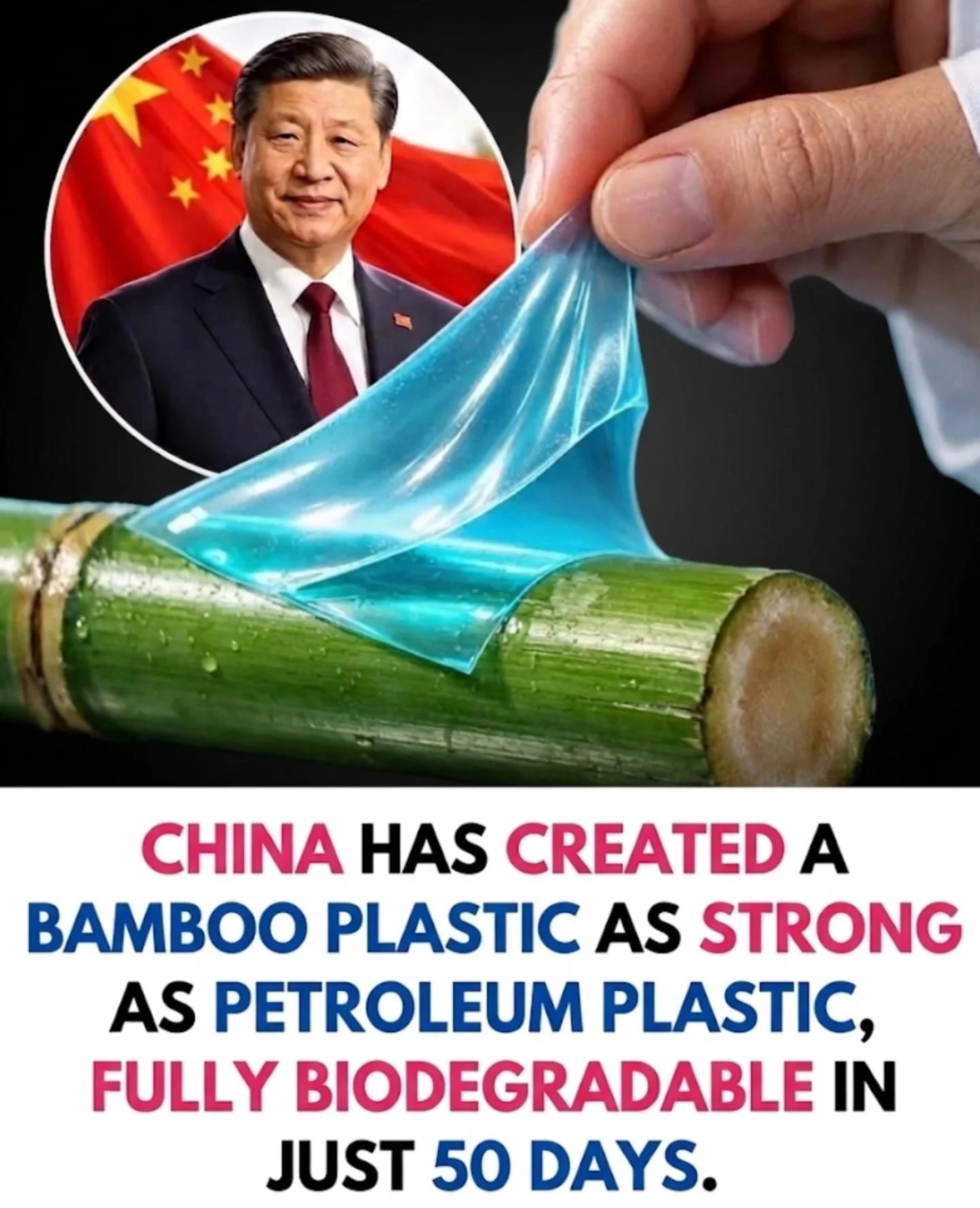
Bamboo Plastic Innovation
Bamboo plastic, a revolutionary material developed in China, is gaining attention for its strength and biodegradability. This new type of plastic is derived from bamboo, a fast-growing and renewable resource, offering a sustainable alternative to traditional petroleum-based plastics.
Context / Why this matters
The rise of plastics has brought immense convenience to daily life, but it has also created significant environmental challenges. Traditional petroleum-based plastics take centuries to decompose, leading to massive waste accumulation in landfills and oceans. The development of bamboo plastic presents a promising solution to these issues, as it combines the durability of conventional plastics with the eco-friendly benefits of natural materials.
Main discussion
The Strength of Bamboo Plastic
One of the most impressive features of bamboo plastic is its strength. This innovative material is claimed to be as strong as petroleum-based plastic, making it suitable for a wide range of applications. From packaging to consumer goods, bamboo plastic can potentially replace traditional plastics without compromising on durability or performance.
Biodegradability and Environmental Impact
What sets bamboo plastic apart is its biodegradability. Unlike conventional plastics, which can take hundreds of years to decompose, bamboo plastic is fully biodegradable in just 50 days. This rapid breakdown process significantly reduces the environmental impact of plastic waste, making it an attractive option for eco-conscious consumers and businesses.
The Process of Creating Bamboo Plastic
The production of bamboo plastic involves converting bamboo fibers into a plastic-like material. This process typically includes several steps:
- Harvesting and Preparation: Bamboo is harvested and cut into small pieces.
- Processing: The bamboo is then processed into a pulp or fiber.
- Manufacturing: The bamboo pulp or fiber is mixed with other additives to create a plastic-like material.
- Molding: The mixture is molded into the desired shape and allowed to set.
- Finishing: The final product is finished and ready for use.
Applications and Uses
Bamboo plastic's versatility makes it suitable for various applications. Some of the most promising uses include:
- Packaging: Bamboo plastic can be used to create eco-friendly packaging materials, such as bags, containers, and wraps.
- Consumer Goods: Items like toothbrushes, cutlery, and toys can be made from bamboo plastic, reducing the environmental impact of these everyday products.
- Construction: In some cases, bamboo plastic can be used in construction materials, providing a sustainable alternative to traditional building materials.
Practical tips
How to Identify Genuine Bamboo Plastic
With the growing popularity of eco-friendly products, it's essential to ensure that the bamboo plastic you are purchasing is genuine. Here are some tips to help you identify authentic bamboo plastic:
- Check the Labeling: Look for clear labeling that indicates the product is made from bamboo plastic.
- Research the Brand: Purchase from reputable brands known for their commitment to sustainability and eco-friendly practices.
- Certifications: Look for certifications or certifications that confirm the product's biodegradability and sustainability claims.
Supporting the Transition to Bamboo Plastic
As consumers, you can support the transition to bamboo plastic by making conscious purchasing decisions. Here are some ways to do that:
- Choose Bamboo Plastic Products: Opt for products made from bamboo plastic whenever possible, especially when alternatives are available.
- Spread Awareness: Share information about the benefits of bamboo plastic with friends, family, and colleagues to encourage wider adoption.
- Support Sustainable Brands: Support businesses that are committed to using sustainable materials and practices.
Important takeaways
The development of bamboo plastic represents a significant step forward in the quest for sustainable materials. Its strength and biodegradability make it a viable alternative to traditional plastics, offering a solution to the growing problem of plastic waste.
By understanding the benefits and applications of bamboo plastic, you can make informed choices that support a more sustainable future.
Conclusion
Bamboo plastic is more than just an innovative material; it is a testament to human ingenuity and commitment to sustainability. As research and development continue, the potential for bamboo plastic to transform industries and reduce environmental impact becomes increasingly apparent. By embracing this new material, the world can move closer to a future where durability and sustainability coexist.
Questions readers ask
What makes bamboo plastic an eco-friendly alternative to traditional plastics?
Bamboo plastic is eco-friendly because it is derived from a renewable resource—bamboo—rather than petroleum. It biodegrades fully within 50 days, unlike petroleum-based plastics that can take centuries to decompose. This makes bamboo plastic a much more sustainable choice for everyday use.
How strong is bamboo plastic compared to conventional plastics?
Bamboo plastic is exceptionally strong, rivalling the durability of conventional plastics. This strength makes it a reliable replacement for traditional plastics in various applications, from packaging to household items, without compromising on performance.
What is the significance of bamboo plastic being 50-day biodegradable?
The 50-day biodegradability of bamboo plastic means that it can break down naturally in a short period, significantly reducing waste accumulation in landfills and oceans. This rapid degradation helps mitigate the environmental impact of plastic waste, making it a far more sustainable option.
Can bamboo plastic be molded into various shapes and sizes, like traditional plastics?
Yes, bamboo plastic can be molded into various shapes and sizes, much like traditional plastics. This versatility allows it to be used in a wide range of products, from packaging materials to durable consumer goods. It can also be made stretchy, depending on the manufacturing process.
Where is bamboo plastic primarily engineered and produced?
Bamboo plastic is primarily engineered and produced in China. Chinese manufacturers have been at the forefront of developing this innovative material, leveraging the country's abundant bamboo resources to create a sustainable and durable plastic alternative.
How does the production of bamboo plastic benefit the environment?
The production of bamboo plastic benefits the environment by reducing reliance on petroleum, a non-renewable resource. Bamboo is a rapidly renewable resource, absorbing carbon dioxide during its growth. This process helps combat deforestation and supports a healthier ecosystem.
Related deep dives
Similar reads based on topic and creator.




Recent articles
Fresh deep dives from the latest Reels we unpacked.




Comments
Be the first to comment.