Rocket Launch Failure: The Long March 7A Incident
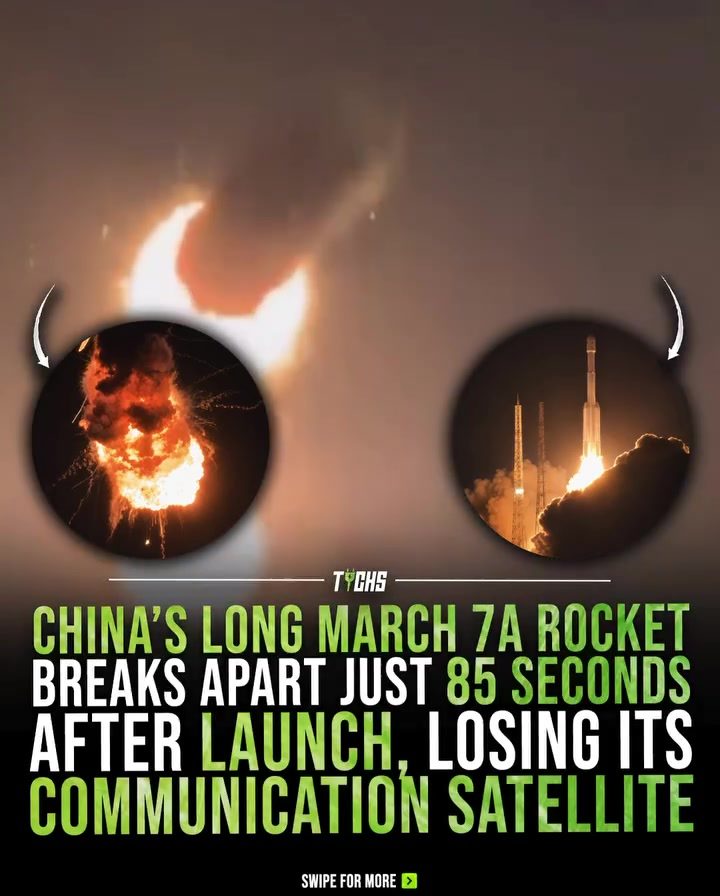
China's Long March 7A rocket experienced a catastrophic failure just 85 seconds after liftoff, resulting in the loss of the ChinaSat-4B communication satellite. The incident, described by Chinese authorities as a "flight anomaly," marks a significant setback for China's space program and the Long March 7A rocket series, which had completed over a dozen successful missions since its previous failure in 2020. Here’s a closer look at the details and implications of this event.
Context: Why This Matters
The Long March 7A rocket, part of China's Long March family of expendable launch vehicles, has been instrumental in the country's space endeavors. The rocket's failure, particularly at such an early stage of flight, has raised questions about the reliability and robustness of the launch system. The loss of the ChinaSat-4B satellite, intended for geostationary orbit, is a substantial blow to China's communications infrastructure, as the satellite was designed to provide critical telecommunication services.
The Incident
Sequence of Events
The failure occurred 85 seconds into the launch, with the rocket breaking apart mid-air. The incident resulted in the complete loss of both the rocket and the ChinaSat-4B satellite. The debris fell into the South China Sea, posing no threat to populated areas.
Immediate Aftermath
Chinese authorities have launched an investigation to determine the cause of the failure. The incident has been officially described as a "flight anomaly," a term that encompasses a range of potential issues, from technical malfunctions to unforeseen environmental factors. The investigation aims to uncover the specific cause and identify areas for improvement in future missions.
The Long March 7A Program
Historical Context
The Long March 7A is a variant of the Long March rocket family, which has been in use since the 1970s. Initially developed for low Earth orbit missions, the Long March 7A was specifically designed for geostationary transfer orbit (GTO) missions. The rocket has had several successful launches, including the deployment of multiple satellites and cargo missions. However, the 2020 failure and the recent incident highlight the challenges faced by the program.
Challenges and Setbacks
The 2020 failure and the recent incident are notable setbacks for the Long March 7A program. These failures underscore the complexities of space launch technology and the challenges of achieving consistent reliability. The program has been under scrutiny to identify and address the root causes of these failures, ensuring that future missions can proceed without similar incidents.
Impact on China's Space Program
Operational Implications
The loss of the ChinaSat-4B satellite will significantly impact China's satellite network, particularly its communication capabilities. The satellite was intended to enhance China's telecommunications infrastructure, providing essential services for both civilian and military applications. The failure means that these services will be delayed or may require alternative solutions, putting additional pressure on existing satellite systems.
Technological and Research Implications
The incident also raises questions about the technological readiness and reliability of China's launch vehicles. The investigation into the cause of the failure will be crucial in identifying areas for improvement and ensuring that future missions are safer and more reliable. The public and scientific communities will be closely monitoring the outcomes of the investigation to understand the specific issues and the measures being taken to address them.
Practical Tips for Mitigating Future Risks
Enhanced Quality Control
Improving quality control measures can significantly reduce the risk of launch failures. This includes rigorous testing of all components, thorough simulations, and regular maintenance checks. Ensuring that every component meets the highest standards is essential for the success of any mission.
Robust Redundancy Systems
Incorporating redundant systems into launch vehicles and satellites can mitigate the impact of failures. Redundant systems provide backup capabilities, ensuring that critical functions can continue even if one component fails. This dual-layer approach can help prevent or minimize the impact of anomalies during launch.
Continuous Monitoring
Implementing continuous monitoring systems that provide real-time data during launches can help identify and address issues promptly. Advanced sensors and communication systems can offer valuable insights, allowing mission control to take corrective actions as needed.
Comprehensive Testing
Conducting comprehensive tests, including both ground and flight tests, is crucial. These tests help identify potential issues before launch, ensuring that any vulnerabilities are addressed and corrected. Regular updates to testing protocols can further enhance the reliability of launch vehicles.
Important Takeaways
The failure of China's Long March 7A rocket serves as a stark reminder of the challenges and risks associated with space launch technology. While the incident is a setback, it also provides an opportunity for the space industry to learn and improve. Key takeaways include the importance of robust quality control, the necessity of redundant systems, and the value of continuous monitoring and comprehensive testing.
Addressing these areas will be crucial in ensuring the success of future missions. The space industry must remain vigilant and proactive in identifying and mitigating risks, ensuring that the benefits of space exploration and technological advancements are realized without compromising safety and reliability.
Conclusion
The failure of the Long March 7A rocket and the subsequent loss of the ChinaSat-4B satellite are significant events in the history of China's space program. While the incident highlights the challenges and risks, it also underscores the importance of continuous improvement and innovation. The investigation into the cause of the failure will be critical in identifying and addressing the issues, ensuring that future missions are safer and more reliable. Through enhanced quality control, robust redundancy systems, continuous monitoring, and comprehensive testing, the space industry can overcome these challenges and achieve its goals.
Recent articles
Fresh deep dives from the latest Reels we unpacked.




Comments
Be the first to comment.