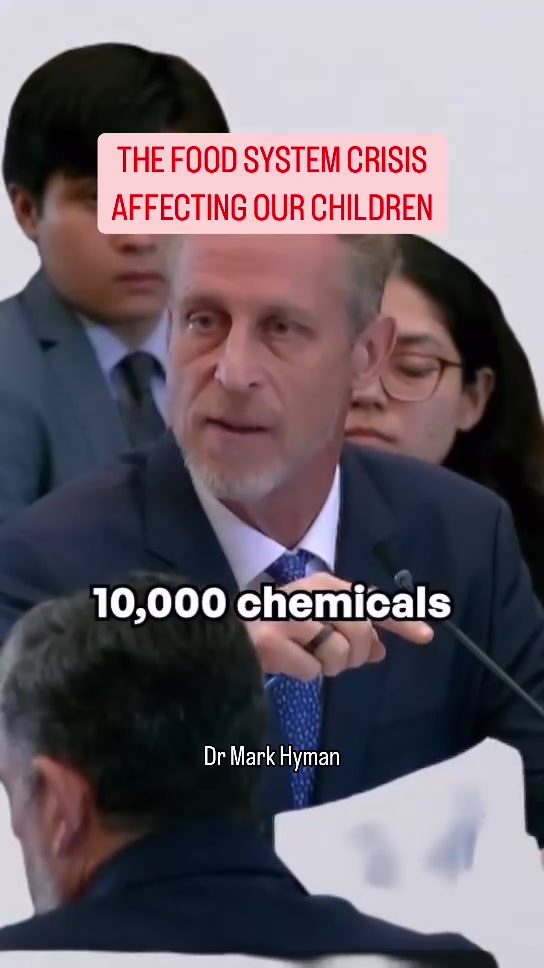
The Food System Crisis Affecting Our Children
The food system is in a state of crisis, and children are increasingly affected. The issue is multi-faceted, involving the chemicals allowed in food, the prevalence of ultra-processed foods, and the alarming rise in chronic diseases among young people.
Why This Matters
The food system crisis is not just about the quality of food; it's about the health and future of our children. Understanding the magnitude of this problem is crucial for parents, educators, and policymakers alike. The statistics are staggering: childhood obesity has increased by 400% in the last 40 years, with 20% of kids now considered obese. Additionally, one in four teenagers has prediabetes, and autoimmune diseases have tripled in children since 1988. These trends highlight the urgent need for action.
Chemical Concerns
One of the most alarming aspects of the food system crisis is the number of chemicals allowed in our food supply. While the United States allows 10,000 chemicals, Europe permits only 338. This discrepancy raises serious questions about what we are feeding our children and the potential long-term health effects. Chemicals in food can have a cumulative impact on health, contributing to chronic diseases and developmental issues in children.
Ultra-Processed Foods
Ultra-processed foods are a significant part of the problem. These foods are high in refined carbohydrates, sugars, unhealthy fats, and artificial additives. According to Dr. Mark Hyman, 67% of kids have ultra-processed foods as a significant part of their diet. The widespread consumption of these foods is linked to a range of health issues, including obesity, diabetes, and mental health problems. The prevalence of ultra-processed foods in children's diets is a public health emergency that demands immediate attention.
Health Issues in Children
The health consequences of the food system crisis are far-reaching. Childhood obesity has skyrocketed, with a 400% increase in the last 40 years. This trend is particularly concerning because obesity in childhood often persists into adulthood, leading to a lifetime of health complications. Adolescent diabetes has also seen a 200% increase in recent decades, with one in four teenagers now having prediabetes. This is a worrying trend that highlights the need for better nutrition and lifestyle choices for young people.
Autoimmune diseases, which were once rare in children, have tripled since 1988. This includes conditions like type 1 diabetes, celiac disease, and inflammatory bowel disease. The rise in autoimmune disorders is likely linked to the combination of genetic susceptibility and environmental factors, including diet. ADHD diagnoses have increased by 800%, affecting 6 million kids. Mental health issues have also become more prevalent, with 20% of children now experiencing mental health problems.
The Autism Spectrum
Autism rates have also seen a significant increase, from four in 10,000 children to one in 36. While the exact causes of autism are not fully understood, environmental factors, including dietary influences, are believed to play a role. The rise in autism spectrum disorders is a complex issue that requires further research and a holistic approach to intervention and support.
Main Discussion
The Role of Regulations
Regulations play a crucial role in ensuring the safety and quality of our food supply. The stark difference between the United States and Europe in the number of allowed chemicals highlights the need for stricter regulations. More transparency about what goes into our food is essential for protecting children's health. Stricter regulations can help reduce the number of harmful chemicals and additives in our food, which in turn can lead to better long-term health outcomes for children.
The Impact of Ultra-Processed Foods
Ultra-processed foods are a significant contributor to the health crisis affecting children. These foods are designed to be highly palatable and convenient, but they often lack nutritional value. The high content of refined carbohydrates, sugars, and unhealthy fats makes them particularly harmful to children's health. The widespread consumption of these foods is linked to a range of health issues, including obesity, diabetes, and mental health problems. Reducing the consumption of ultra-processed foods and promoting healthier alternatives is essential for improving children's health.
Public Health Interventions
Public health interventions are needed to address the food system crisis. This includes education campaigns to raise awareness about the dangers of ultra-processed foods and the importance of a balanced diet. Schools and communities can play a crucial role in promoting healthy eating habits and providing access to nutritious foods. Policymakers also need to take action to ensure that children have access to safe, high-quality food.
The Role of Parents and Caregivers
Parents and caregivers play a vital role in shaping children's eating habits. Encouraging a diet rich in whole foods, fruits, vegetables, and lean proteins can help protect children from the health risks associated with ultra-processed foods. Parents can also advocate for better food regulations and school policies that promote healthy eating.
Preventative Measures
Preventative measures are essential for addressing the food system crisis. This includes regular health screenings, early intervention for health issues, and promoting healthy lifestyles. Schools, health care providers, and community organizations can all play a role in promoting preventative measures to protect children's health.
Practical Tips
Promoting Healthy Eating Habits
Promoting healthy eating habits in children starts with education. Parents and caregivers can teach children about the importance of a balanced diet and the dangers of ultra-processed foods. Encouraging children to cook and prepare their own meals can also be a fun and educational way to promote healthy eating.
Choosing Nutritious Foods
Choosing nutritious foods is essential for children's health. This includes a variety of fruits, vegetables, whole grains, and lean proteins. Limiting the intake of ultra-processed foods and sugary beverages can also help protect children from chronic diseases. Parents can also look for healthier alternatives to ultra-processed foods, such as homemade snacks and meals.
Encouraging Physical Activity
Physical activity is an important part of a healthy lifestyle. Encouraging children to engage in regular physical activity can help prevent obesity and other chronic diseases. This includes activities like sports, dancing, and playing outdoors. Parents and caregivers can also set a positive example by being physically active and promoting an active lifestyle at home.
Advocating for Better Food Regulations
Advocating for better food regulations is essential for protecting children's health. Parents and caregivers can contact their elected officials and urge them to support stricter regulations on chemicals and additives in food. This can help ensure that children have access to safe, high-quality food.
Important Takeaways
The Need for Stricter Regulations
Stricter regulations on chemicals and additives in food are essential for protecting children's health. The drastic difference in the number of allowed chemicals between the United States and Europe highlights the need for better regulations. Stricter regulations can help reduce the number of harmful chemicals and additives in our food, leading to better long-term health outcomes for children.
The Importance of a Balanced Diet
A balanced diet is crucial for children's health. Limiting the intake of ultra-processed foods and promoting a diet rich in whole foods, fruits, vegetables, and lean proteins can help protect children from chronic diseases. Parents and caregivers play a vital role in promoting healthy eating habits and ensuring that children have access to nutritious foods.
The Role of Public Health Interventions
Public health interventions are needed to address the food system crisis. This includes education campaigns, school policies, and community initiatives that promote healthy eating and physical activity. Policymakers also need to take action to ensure that children have access to safe, high-quality food.
The Impact of Ultra-Processed Foods
Ultra-processed foods are a significant contributor to the health crisis affecting children. These foods are high in refined carbohydrates, sugars, and unhealthy fats, making them particularly harmful to children's health. Reducing the consumption of ultra-processed foods and promoting healthier alternatives is essential for improving children's health.
Conclusion
The food system crisis affecting our children is a complex and urgent issue. The widespread consumption of ultra-processed foods and the prevalence of harmful chemicals in our food supply are contributing to a range of chronic diseases in children. Addressing this crisis requires a multi-faceted approach, including stricter regulations, public health interventions, and promoting healthy eating habits. By taking action now, we can protect the health and well-being of our children and ensure a healthier future for generations to come.
Questions readers ask
What are ultra-processed foods and why are they a concern for children's health?
Ultra-processed foods are high in unhealthy fats, sugars, and additives, and low in essential nutrients. They are linked to chronic diseases in children, such as obesity, type 2 diabetes, and cardiovascular issues. Regular consumption of these foods can lead to poor eating habits and long-term health problems for kids.
How does chemical exposure affect children's health and nutrition?
Chemical exposure in children can interfere with their growth, development, and overall health. Certain chemicals, such as pesticides and artificial additives, can disrupt hormone function, weaken the immune system, and contribute to chronic diseases. Limiting exposure to these chemicals is crucial for maintaining children's well-being.
What are the most significant health risks associated with a food system in crisis?
The most critical health risks include a rise in chronic diseases, such as childhood obesity, prediabetes, and autoimmune disorders. Additionally, the food system crisis contributes to poor nutrition, weakened immune systems, and developmental issues in children. These conditions can have long-lasting effects on a child's health and quality of life.
Is there a link between the rise in chronic diseases and ultra-processed foods in children?
Yes, research shows a strong link between ultra-processed foods and chronic diseases in children. These foods are often high in unhealthy ingredients and low in essential nutrients, leading to an increased risk of obesity, diabetes, and other health issues. Reducing the intake of ultra-processed foods can help mitigate these risks and improve overall health in children.
Why is childhood obesity considered a public health emergency?
Childhood obesity is considered a public health emergency due to its rapid increase and the severe health complications it brings. With a 400% rise since 1980, childhood obesity is linked to a higher risk of chronic diseases, such as type 2 diabetes, heart disease, and certain cancers. Addressing this issue requires immediate and comprehensive action from parents, educators, and policymakers.
What can parents and caregivers do to mitigate the risks of the food system crisis for children?
Parents and caregivers can take steps to mitigate the risks by focusing on balanced nutrition, limiting ultra-processed foods, and ensuring food safety. Encouraging a diet rich in whole foods, such as fruits, vegetables, lean proteins, and whole grains, is essential. Additionally, being aware of and reducing exposure to harmful chemicals in food can help improve children's overall health and well-being.
How do chronic diseases in children impact their future health and well-being?
Chronic diseases in children can have long-lasting effects on their future health and well-being. Conditions such as obesity, type 2 diabetes, and autoimmune disorders can lead to lifelong health complications, reduced quality of life, and increased healthcare costs. Addressing these issues early through prevention and treatment can significantly improve children's long-term health outcomes.
Recent articles
Fresh deep dives from the latest Reels we unpacked.




Comments
Be the first to comment.