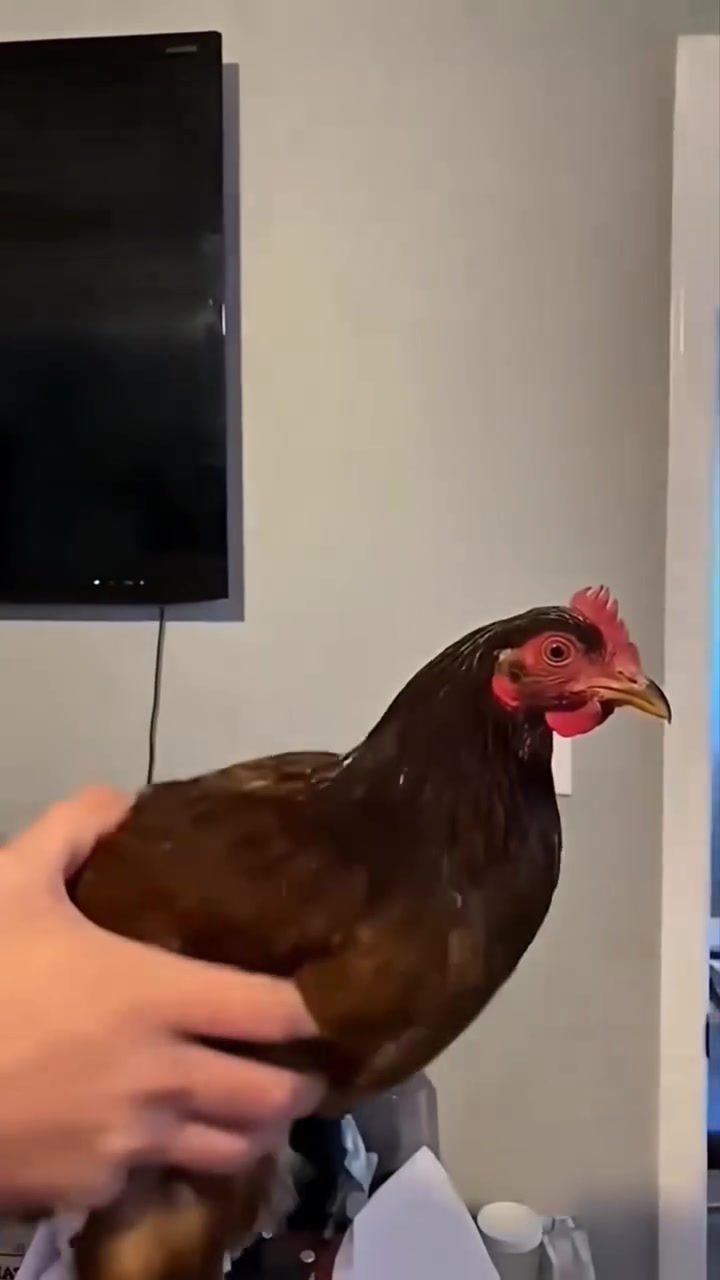
Why Doesn't a Chicken's Head Shake?
Chickens have a remarkable ability to keep their heads stable even when their bodies are in motion. This phenomenon, often referred to as the "Chicken Shake Challenge," has intrigued many, including photographers and technologists. Understanding this natural mechanism can provide insights into how modern technology, particularly camera stabilization, has been inspired by nature.
Why This Matters
The stability of a chicken's head during motion is not just a fascinating curiosity; it has practical applications in technology. By studying this natural mechanism, engineers have developed more effective stabilization systems for cameras and other devices. This is a clear example of biomimicry, where solutions found in nature are applied to human technology.
The Science Behind the Chicken Shake Challenge
The Chicken's Stabilization Mechanism
When a chicken's body is shaken, its head remains almost perfectly still. This is due to a sophisticated mechanism in the chicken's brain and neck muscles. The chicken's brain instantly detects any motion and commands the neck muscles to move in the opposite direction, counteracting the body's movement and keeping the head stable.
This mechanism is crucial for chickens, as it allows them to keep their vision steady while foraging or escaping predators. The stability of the head ensures that the chicken can maintain a clear line of sight, which is essential for survival.
Comparing Chicken and Human Stabilization
Humans have a similar stabilization system, but it works through our eyes rather than our necks. When we shake our heads, our eyes automatically move in the opposite direction to keep our vision steady. This reflex is known as the vestibulo-ocular reflex (VOR) and ensures that our gaze remains stable despite head movements.
Inspiring Modern Technology
Modern camera stabilization systems are based on the same principle seen in chickens and humans. These systems use gyroscopes and other sensors to detect movement and adjust the camera's position accordingly, ensuring smooth and stable footage. This technology is used in a variety of devices, from smartphones to high-end cinema cameras.
Practical Tips for Capturing Smooth Footage
Using Camera Stabilization Techniques
-
Gimbals and Stabilizers: Invest in a good-quality gimbal or stabilizer. These devices use motorized systems to counteract the movement of the camera, keeping the shot smooth. Modern gimbals are highly effective and can be used with a variety of cameras, from smartphones to DSLRs.
-
Steady Shooting Techniques: Practice steady shooting techniques such as keeping your elbows close to your body, using a tripod or monopod, and moving smoothly and deliberately. These techniques can help reduce camera shake and improve the stability of your footage.
-
Using Image Stabilization Modes: Many modern cameras and smartphones come with built-in image stabilization modes. These modes use a combination of optical and digital stabilization to reduce camera shake and keep the footage smooth. Be sure to enable these modes when shooting.
Learning from Nature
Nature has perfected stabilization mechanisms over millions of years. By observing and replicating these natural solutions, we can develop more effective and efficient technologies. Whether it's the chicken's head stabilization or the human eye's reflex, these natural systems provide valuable insights into how we can improve our own technologies.
Important Takeaways
The ability of a chicken to keep its head stable during motion is a fascinating example of nature's ingenuity. This mechanism has inspired modern camera stabilization systems, highlighting the importance of studying and replicating natural solutions in technology. By understanding and applying these principles, we can develop more effective and efficient technologies that improve our daily lives.
Conclusion
The "Chicken Shake Challenge" is more than just a curiosity; it is a testament to the power of natural mechanisms to inspire technological innovation. By keeping its head stable during motion, a chicken demonstrates a sophisticated stabilization system that has been replicated in modern camera stabilization technologies. Understanding and applying these natural principles can lead to significant advancements in various fields, from photography to aerospace engineering. Next time you see a chicken, take a moment to appreciate the incredible engineering behind its movements.
Questions readers ask
How do chickens manage to keep their heads stable while their bodies are moving?
Chickens achieve head stability through a complex system of sensory inputs and reflexive muscle control. Their necks act as a shock absorber, and their eyes help to maintain a steady gaze by making rapid, small adjustments. This system ensures their vision remains clear and focused, even when their bodies are in motion.
What is the 'Chicken Shake Challenge' and why is it significant?
The 'Chicken Shake Challenge' refers to the phenomenon where a chicken's head remains stable despite the rapid, jerky movements of its body. This challenge has inspired advancements in camera stabilization technology, demonstrating how nature's solutions can inspire technical innovation.
How has the study of chicken head stabilization influenced camera technology?
By studying how chickens stabilize their heads, engineers have gained insights into creating more effective camera stabilization systems. These systems mimic the natural mechanisms used by chickens to keep their heads steady, resulting in smoother, clearer footage, even in dynamic conditions.
What role do a chicken's eyes play in head stabilization?
A chicken's eyes are crucial for head stabilization. They continuously track the environment and send signals to the neck muscles, which make rapid adjustments to keep the head steady. This process, known as the vestibular-ocular reflex, ensures the chicken maintains a clear, stable view of its surroundings.
Can the principles of chicken head stabilization be applied to other technologies besides cameras?
Yes, the principles of chicken head stabilization can be applied to various technologies beyond cameras. Any device that requires stable operation in dynamic environments, such as drones, robotics, or even certain medical devices, can benefit from these natural stabilization techniques.
What is biomimicry and how does it relate to chicken head stabilization?
Biomimicry is the design and production of materials, structures, and systems modeled on biological entities and processes. In the context of chicken head stabilization, biomimicry involves studying how chickens maintain head stability and applying these insights to develop advanced stabilization systems for cameras and other devices.
How do camera stabilizers work, given the inspiration from chicken head stabilization?
Camera stabilizers, inspired by chicken head stabilization, use a combination of sensors, gyroscopes, and motors to detect and counteract unwanted movements. These systems work in real-time to keep the camera steady, much like how a chicken's reflexes and sensory inputs help maintain a stable head position during motion.
Related deep dives
Similar reads based on topic and creator.




Recent articles
Fresh deep dives from the latest Reels we unpacked.




Comments
Be the first to comment.