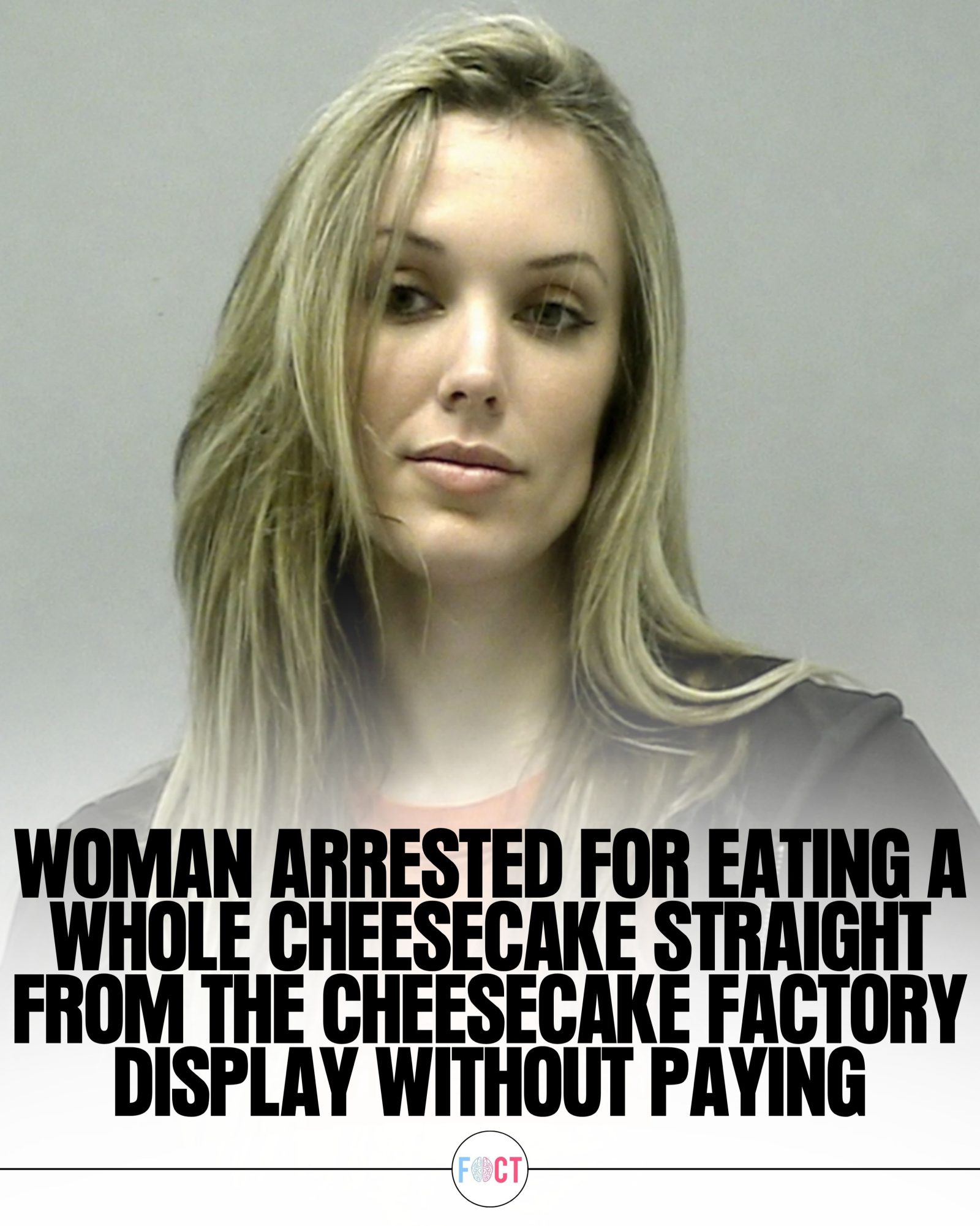
The Cheesecake Factory Incident: The Viral Story and Its Impact
No matter how absurd a story is, it can strike a nerve with readers. This is precisely what happened with the recent satirical account of a woman eating an entire cheesecake directly from the display at The Cheesecake Factory. The tale, though fictional, resonated with many, sparking conversations about long waits at restaurants and the lengths some might go to in order to satisfy their hunger.
The Story Unfolds
The fictional tale begins with a woman who, after waiting nearly an hour for a table at a busy restaurant, allegedly decides to help herself to a full cheesecake from the dessert display. Instead of hiding her actions or feeling guilty, the woman calmly returns to the waiting area to enjoy her impromptu dessert. Even when confronted by the restaurant staff, she insists that she is still technically waiting for her table. The absurdity of the situation escalates when she attempts to negotiate the bill by offering a positive online review.
The Humor Behind the Incident
While the story is clearly meant as satire, there are several layers of humor and relatability that make it resonate with a wide audience. The primary element is being extremely hungry after a long wait at a restaurant. Many people can relate to the frustration and discomfort of waiting for a table, especially when faced with the tantalizing aroma of food. The idea of an extremely hungry woman violating the food display can be seen as a humorous statement about the pain of waiting.
Another layer of humor comes from the woman's nonchalant attitude. Instead of attempting to hide her actions or feeling guilty, she picks a place in the waiting area to enjoy her dessert and calmly confronts the staff. It's a humorous portrayal of a customer who is not willing to be ignored and makes a bold statement in a situation where she feels short-changed for waiting.
Lastly, the story humorously highlights the absurdity of today's review culture. Many customers rely on online reviews to decide where to dine, and the woman attempts to use this to her advantage, offering a positive online review as a form of payment. This is a sharp commentary on the way we deal with customer service in today's culture.
The Impact of the Story
Social media has quickly split into two camps: those horrified by the idea and those who wanted to know exactly how long the wait was before passing judgment. The story has sparked a debate about the lengths one might go to in order to satisfy hunger and the ethics of waiting for a table. It has also highlighted the absurdity of some customer service policies and the importance of honest and fair reviews.
The story of the woman eating a whole cheesecake from the display at The Cheesecake Factory, while fictional, has illustrated the depths of hunger many face while waiting for a table. It has also highlighted the absurdity of some customer service policies and the importance of honest and fair reviews.
The rise of online reviews has made dining a different experience. People are no longer only relying on recommendations and word of mouth to decide where to dine. They are now turning to online reviews, which makes the concept of fair and honest reviews more critical than ever.
Practical Tips
The story, though fictional, has important lessons for both restaurant patrons and owners.
For Restaurant Patrons
- Be Patient: While it can be frustrating to wait for a table, it's important to remember that it is a part of the dining experience. It's good to find ways to keep oneself entertained or occupied while waiting.
- Stay Classy: Even if you're hungry or upset, it's important to behave in a manner that reflects well on you. It's best to avoid any actions that might be seen as disrespectful or dishonest, like the woman in the story.
For Restaurant Owners
- Manage Expectations: Let diners know the average wait time for a table so they can make an informed decision about where to dine.
- Offer Alternatives: If the wait time is unusually long, offer patrons alternatives like takeout or delivery. This can help maintain customer satisfaction and encourage positive reviews.
- Customer Satisfaction: Remember, a satisfied customer is more likely to leave a positive review. It's essential to ensure they are satisfied with their dining experience, from being seated to paying the bill. This can be achieved by providing excellent customer service, high-quality food, and a pleasant dining environment.
Important Takeaways
The story, despite being a work of fiction, has shed light on several important issues.
- Restaurants need to manage customer expectations effectively to prevent frustration and ensure satisfaction.
- Dining out has evolved, and it's essential to consider online reviews when dining out.
- Long waits can drive customers to take drastic measures, highlighting the need for effective time management in the food service industry.
- Customer service is essential. It can determine whether a customer leaves a positive or negative review.
- Dining out is a shared experience, and restaurant owners and patrons need to find a way to make it enjoyable for everyone.
Conclusion
The tale is a stark reminder that sometimes the funniest stories are the ones that sound just believable enough to make people wonder. It also highlights the lengths some might go to in order to satisfy their hunger.
While the story is clearly a work of fiction, it has sparked a conversation about the absurdity of some customer service policies and the importance of honest and fair reviews. It's a reminder that dining out is a shared experience, and everyone involved, from the patrons to the restaurant owners, needs to work together to ensure a pleasant dining experience.
Questions readers ask
Why did the Cheesecake Factory story go viral?
The Cheesecake Factory story went viral due to its absurd humor and relatable premise. Many people could empathize with the frustration of long waits for a table, and the protagonist's bold, nonchalant attitude in response to her hunger resonated with a wide audience.
What is the origin of the Cheesecake Factory incident?
The Cheesecake Factory incident originated from a satirical, fictional account shared on social media. The story is not based on a real event.
How does the story highlight common dining frustrations?
The story highlights common dining frustrations by focusing on the protagonist's lengthy wait for a table. This aspect of the tale resonated with readers who have experienced similar delays, sparking discussions about restaurant waits and the feelings of hunger and impatience they can provoke.
What is the significance of the cheesecake display in the story?
The cheesecake display in the story serves as a catalyst for the protagonist's actions. It represents the temptation and desire for immediate satisfaction after a long wait, adding to the humor and absurdity of the situation.
Did the Cheesecake Factory respond to the viral story?
As of now, there is no official statement from The Cheesecake Factory regarding the viral story. The company has not publicly addressed the fictional account, and the story remains a piece of online satire.
What other similar stories can be found online?
There are many other funny restaurant stories online, where people share their humorous dining experiences. Some stories involve creative ways to pass the time during a long wait, while others showcase unique interactions with waitstaff or fellow diners.
How has the Cheesecake Factory story influenced online dining narratives?
The Cheesecake Factory story has contributed to a broader conversation about dining frustrations and absurdist humor in online narratives. It has encouraged others to share their funny, relatable experiences, fostering a sense of community among those who enjoy light-hearted dining stories.
Related deep dives
Similar reads based on topic and creator.




Recent articles
Fresh deep dives from the latest Reels we unpacked.




Comments
Be the first to comment.