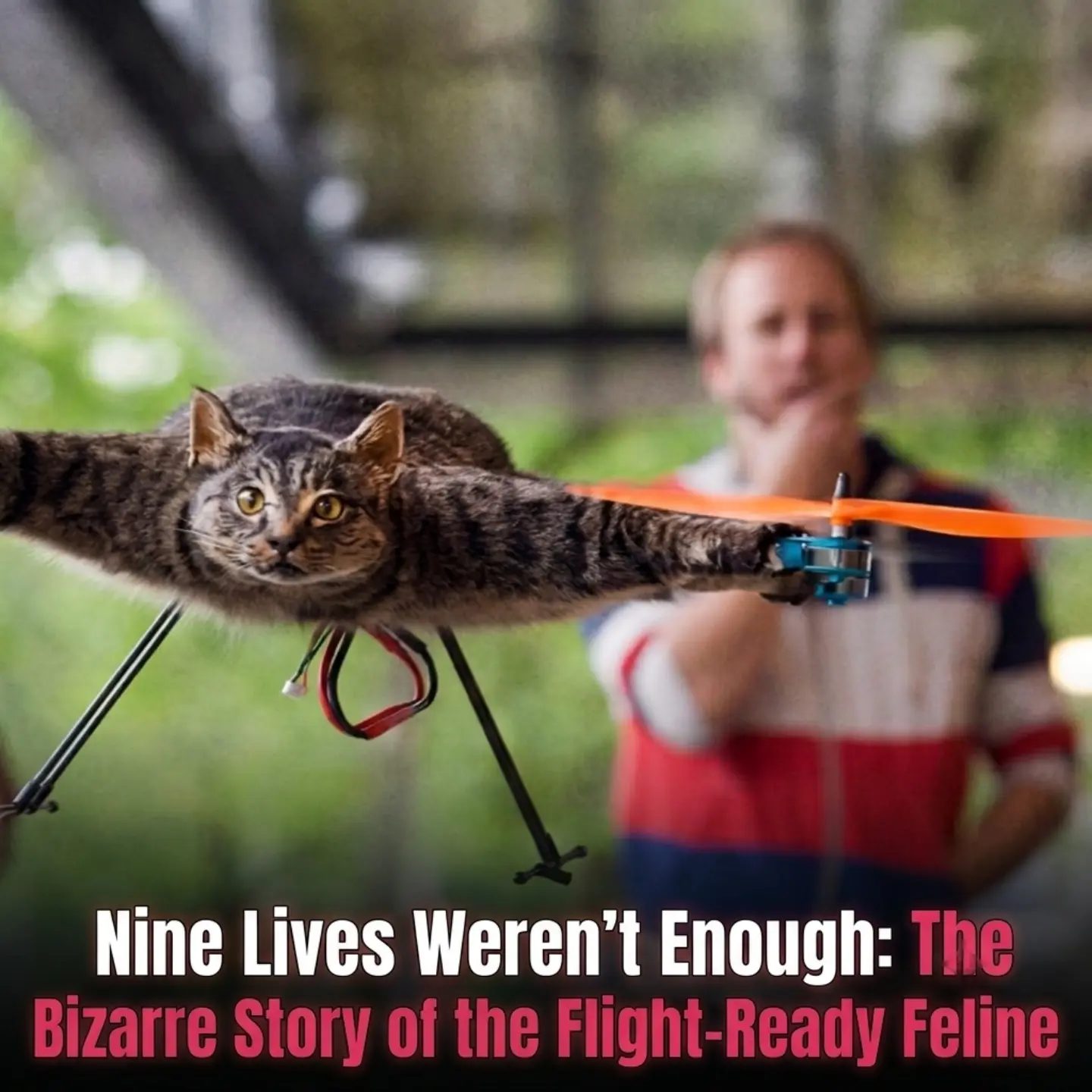
Drones and cats aren't usually mentioned in the same sentence, but the world of art and technology has seen some truly bizarre combinations. This is certainly the case with the Orvillecopter, a one-of-a-kind drone that carries a taxidermied cat.
The Orvillecopter, as it's known now, all started in 2012 when a Dutch artist named Bart Jansen lost his beloved cat, Orville, in a tragic car accident. Orville, who was named after the aviation pioneer Orville Wright, left a significant void in Bart's life. However, Bart decided to pay tribute to his feline friend in an unusual and unconventional way.
Context / Why this matters
Bart Jansen's decision to transform his deceased cat into a drone wasn't just a whimsical idea. It was a deeply personal project rooted in art, technology, and sentiment. The project sparked a range of reactions from shock and controversy to amusement and admiration, showcasing the intersection of art and technology.
Main discussion
Orville is the cat that started it all. Bart Jansen had a unique relationship with his feline companion, who was named after the famous aviator. Orville was more than just a pet; he was a muse and a source of inspiration. When Orville was hit by a car, Bart felt a profound loss. Instead of burying Orville, Bart decided to pay him the ultimate tribute, to give him a chance to "fly with the birds" as he had always loved.
The Creation of the Orvillecopter
To bring his vision to life, Bart Jansen teamed up with a drone engineer. The first step of the project was to taxidermy Orville. Once the process was complete, the next task was to create a drone that could carry Orville’s remains. The engineers had to design and build a drone that was lightweight and sturdy enough to carry the cat, but also balanced and aerodynamic enough to fly.
The result was the Orvillecopter, a drone with a taxidermied cat strapped to it. The design was both simple and complex, a blend of cutting-edge technology and a deeply personal tribute. The drone itself is a simple quadcopter, which means it has four rotors that allow it to hover and maneuver. The drone is small but sturdy, ensuring that Orville’s remains are handled with care.
The Flight of the Orvillecopter
The Orvillecopter's maiden flight was a significant event. Bart Jansen and the drone engineers gathered to watch the drone take to the skies with Orville strapped on top. The flight was brief but meaningful, a symbol of Bart's love for his feline companion and his desire to give Orville a chance to "fly with the birds."
The sight of a drone carrying a cat is bizarre and surreal, but it also conveys a deep sense of emotion and sentiment. The Orvillecopter is more than just a drone; it's a tribute to a beloved pet, a symbol of the intersection of art and technology, and a testament to the power of personal expression.
Reaction and Impact
The Orvillecopter went viral, sparking a range of reactions from shock and controversy to amusement and admiration. The drone's unique design and the story behind it captured the imagination of people around the world. The Orvillecopter became a symbol of the bizarre and unusual, a testament to the power of art and technology to create something truly unique.
The Orvillecopter's impact extends beyond its viral fame. It has inspired artists and engineers to push the boundaries of what's possible, to create art that is both meaningful and unconventional. The Orvillecopter is a testament to the power of personal expression and the intersection of art and technology.
Practical tips
If you’re inspired to create a similar project, here are some tips to help you get started:
Understand the Technology
Drones are complex machines that require a deep understanding of aerodynamics, electronics, and software. Before you start building a drone, take the time to learn about the technology. Look for online courses, tutorials, and resources that can help you understand the basics of drone design and construction.
Work with Professionals
Creating a drone that can carry a taxidermied cat is a complex task that requires specialized skills and knowledge. If you’re not an expert in drone engineering, consider working with a professional. A drone engineer can help you design and build a drone that is safe, reliable, and capable of carrying your payload.
Plan for Safety
Safety is a critical consideration when working with drones. Make sure your drone is designed with safety in mind, and always follow local regulations and guidelines for drone operation. Consider safety features like fail-safe mechanisms, collision avoidance sensors, and emergency landing protocols.
Think About the Message
The Orvillecopter is more than just a drone; it’s a symbol of personal expression and emotion. Think about the message you want to convey with your project. Consider the story behind your project and how it can resonate with others. A compelling story can make your project more meaningful and impactful.
Iterate and Improve
The first version of the Orvillecopter wasn’t perfect, and neither will your first drone. Be prepared to iterate and improve your design based on feedback, testing, and real-world experience. Use every flight as an opportunity to learn and improve.
Consider the Environmental Impact
Drones can have a significant environmental impact, from noise pollution to potential wildlife disturbance. Consider the environmental impact of your project and take steps to minimize it. Look for eco-friendly materials and design features that can help reduce your drone’s environmental footprint.
Document Your Journey
Documenting your journey can be a valuable way to engage with your audience and share your story. Consider creating a blog or social media account to document your progress, share your challenges and successes, and connect with others who share your passion for drones and art.
Important takeaways
The Orvillecopter is a unique and unusual creation that has captured the imagination of people around the world. It's a testament to the power of art, technology, and personal expression. The story of the Orvillecopter is a reminder that even in the face of loss, there are still ways to honor and remember those we love.
The creation of the Orvillecopter is a complex and challenging task that requires specialized skills and knowledge. If you’re inspired to create a similar project, be prepared to invest time, effort, and resources. Work with professionals, plan for safety, and consider the environmental impact of your project. Above all, stay true to your vision and let your passion guide you.
Conclusion
The Orvillecopter is a testament to the power of art, technology, and personal expression. It's a unique and unusual creation that has sparked a range of reactions from shock and controversy to amusement and admiration. The story of the Orvillecopter is a reminder that even in the face of loss, there are still ways to honor and remember those we love.
The Orvillecopter is more than just a drone; it’s a symbol of personal expression and emotion. It’s a testament to the power of art and technology to create something truly unique and meaningful.
Questions readers ask
What inspired Bart Jansen to create the Orvillecopter?
Bart Jansen created the Orvillecopter as a tribute to his beloved cat, Orville, who passed away in 2012. The drone serves as a unique memorial, inspired by the cat's namesake, aviation pioneer Orville Wright, and it allows Bart to keep his pet's spirit alive in a creative and innovative way.
How does the Orvillecopter blend art and technology?
The Orvillecopter combines art and technology by transforming a taxidermied cat into a functional drone. This unusual creation showcases the intersection of sentiment, creativity, and technological innovation, sparking conversations and reactions around the world.
Is the Orvillecopter the only drone of its kind?
Yes, the Orvillecopter is a one-of-a-kind creation. There are no other known drones that carry a taxidermied cat or serve as a pet memorial in the same way, making it a truly unique piece of art and technology.
What kind of reactions has the Orvillecopter received?
The Orvillecopter has sparked a range of reactions, from fascination and curiosity to surprise and even controversy. It has been featured in various media outlets and has drawn attention to the unconventional ways art and technology can intersect.
Can the Orvillecopter fly with the taxidermied cat?
Yes, the Orvillecopter is designed to fly with the taxidermied cat attached. However, it's important to note that the drone is a delicate and unique creation, so its flight capabilities and frequency are likely limited to ensure the preservation of the taxidermied cat and the drone's components.
Why did Bart Jansen choose to use a drone for his tribute?
Bart Jansen chose to use a drone to pay tribute to his cat, Orville, as a way to honor the cat's namesake, Orville Wright, and his love for aviation. The drone allows the artist to keep his pet's spirit alive in a modern and innovative way, symbolizing freedom and movement.
Has the Orvillecopter inspired other artists?
The Orvillecopter's uniqueness and the story behind it have inspired conversations and potentially sparked creativity in others. While there may not be direct replicas, the project has shown that unconventional combinations of art and technology can lead to thought-provoking and impactful creations.
Related deep dives
Similar reads based on topic and creator.


Recent articles
Fresh deep dives from the latest Reels we unpacked.




Comments
Be the first to comment.