Eco-Friendly Dissolvable Batteries
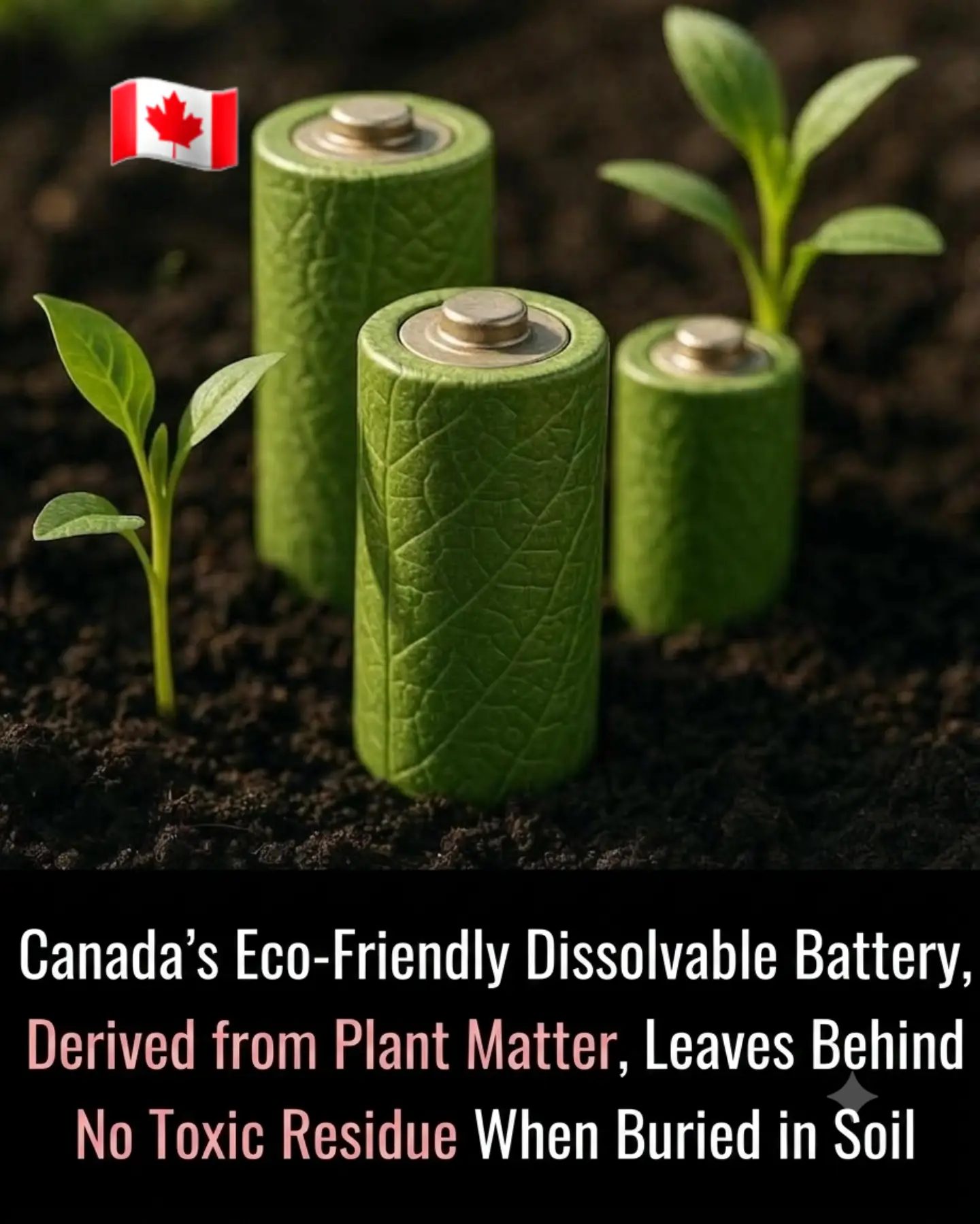
Innovative eco-friendly dissolvable batteries represent a monumental advance in sustainable energy storage. These batteries are designed to decompose naturally in the environment, presenting a promising solution to the mounting problem of electronic waste (e-waste). Unlike traditional batteries, which often contain hazardous materials, these new batteries are developed using organic, plant-derived materials like tree pulp and cellulose. This makes them an environmentally friendly alternative for powering low-consumption electronics and specialized agricultural sensors.
Why This Matters
The global challenge of e-waste is a pressing issue. Traditional batteries, while essential for powering everyday devices, contribute significantly to this problem. The hazardous materials in these batteries, such as heavy metals and chemical toxins, pose serious environmental and health risks. As the demand for electronic devices continues to rise, so does the volume of e-waste. Eco-friendly dissolvable batteries offer a sustainable solution. Instead of contributing to the problem, these batteries can help mitigate it by decomposing naturally in the environment, leaving no toxic residue.
Main Discussion
The Science Behind Dissolvable Batteries
Dissolvable batteries are made from organic, plant-derived materials. These materials, such as tree pulp and cellulose, are chosen for their biodegradable properties. When these batteries are buried in soil, they naturally decompose, breaking down into harmless components. This process is not only eco-friendly but also ensures that the soil remains safe for plant growth. The batteries can be planted alongside seedlings, allowing them to serve a dual purpose: powering devices and enriching the soil.
Benefits of Dissolvable Batteries
One of the primary benefits of dissolvable batteries is their ability to decompose naturally. This eliminates the need for specialized recycling processes and reduces the carbon footprint associated with waste management. Additionally, these batteries are suitable for a variety of applications, including low-consumption electronics and specialized agricultural sensors. By powering these devices, dissolvable batteries contribute to a more sustainable and environmentally conscious future in technology.
Applications and Use Cases
Dissolvable batteries have a wide range of applications. They can be used in low-consumption electronics, such as remote sensors and wearable devices, which require reliable power sources but do not consume a lot of energy. In the agricultural sector, these batteries can power specialized sensors that monitor soil moisture, temperature, and other critical factors. By integrating dissolvable batteries into these systems, farmers can reduce their environmental impact while improving the efficiency of their operations.
Another important use case is in remote or hard-to-reach areas. Traditional batteries may be difficult to replace or recycle in such locations, but dissolvable batteries can be left to decompose naturally, eliminating the need for disposal. This makes them an ideal solution for environmental monitoring and research in remote ecosystems.
Practical Tips
When considering the use of dissolvable batteries, it’s important to keep a few practical tips in mind:
Choosing the Right Battery
- Compatibility: Ensure the dissolvable battery is compatible with the device you intend to power. While these batteries are versatile, not all devices may be suited for this type of power source.
- Power Requirements: Assess the power requirements of your device. Dissolvable batteries are best suited for low-consumption electronics. If your device requires high power, traditional batteries or alternative power sources may be more appropriate.
Proper Disposal
Although dissolvable batteries are designed to decompose naturally in the environment, it’s still important to dispose of them properly. Burying the batteries in soil alongside seedlings is the recommended method, as this allows them to dissolve and leave no toxic residue.
Environmental Considerations
- Soil Quality: Ensure the soil where you plan to bury the batteries is suitable for plant growth. The batteries should not be buried in areas with poor soil quality, as this could hinder their decomposition.
- Plant Growth: When planting the batteries, choose a location that receives adequate sunlight and water. This will help the batteries decompose more efficiently and contribute to plant growth.
Important Takeaways
The development of eco-friendly dissolvable batteries marks a significant step forward in sustainable energy storage. By using organic, plant-derived materials, these batteries offer a viable solution to the growing problem of e-waste. Their ability to decompose naturally in the environment, leaving no toxic residue, makes them an attractive option for powering low-consumption electronics and agricultural sensors. As technology continues to advance, the integration of dissolvable batteries into various applications can help create a more sustainable and environmentally conscious future.
Conclusion
Eco-friendly dissolvable batteries represent a groundbreaking innovation in sustainable energy storage. By replacing traditional hazardous battery components with biodegradable, plant-derived materials, these batteries provide a green solution to powering low-consumption electronics and specialized sensors. As the demand for sustainable technologies grows, the adoption of dissolvable batteries can play a crucial role in mitigating the environmental impact of e-waste. By embracing this innovative technology, we can work towards a more environmentally friendly future, where powering our devices does not come at the cost of the planet.
Questions readers ask
How do biodegradable batteries from Canada work differently from traditional batteries?
Biodegradable batteries from Canada use organic materials derived from plants, such as tree pulp and cellulose. Unlike traditional batteries, these organic materials allow the batteries to decompose naturally in the environment, making them a sustainable option.
What are the benefits of using plant-derived materials in dissolvable batteries?
Plant-derived materials offer several benefits, including biodegradability and the ability to enrich soil. When these batteries decompose, they leave behind nutrients that can support plant growth, making them a beneficial addition to the environment.
How can biodegradable batteries help address the issue of electronic waste (e-waste)?
By decomposing naturally, these batteries reduce the volume of electronic waste that accumulates in landfills and the environment. This can help mitigate the environmental impact of traditional batteries, which often contain hazardous materials and take centuries to decompose.
Can dissolvable batteries be used in the same way as traditional batteries?
Dissolvable batteries are currently designed for low-consumption electronics and specialized agricultural sensors. These devices can function effectively with the power output of dissolvable batteries, making them suitable for specific applications.
What kind of materials are used to make organic, plant-derived batteries in Canada?
These batteries are made from materials such as tree pulp and cellulose, which are both renewable and biodegradable. These materials are sourced sustainably, ensuring that the battery production process is eco-friendly
Are there any potential benefits to using soil-enriching batteries in agricultural settings?
Yes, when planted with seedlings, these batteries can enrich the soil, providing nutrients that support plant growth. This dual benefit of powering devices and enhancing soil quality makes them particularly useful in agricultural and farming applications.
What is the significance of Canada's green technology in producing biodegradable batteries?
Canada's initiatives in developing biodegradable batteries contribute to the country's reputation as a leader in sustainable technology. These advancements can inspire similar innovations in sustainable energy storage.
Related deep dives
Similar reads based on topic and creator.




Recent articles
Fresh deep dives from the latest Reels we unpacked.




Comments
Be the first to comment.