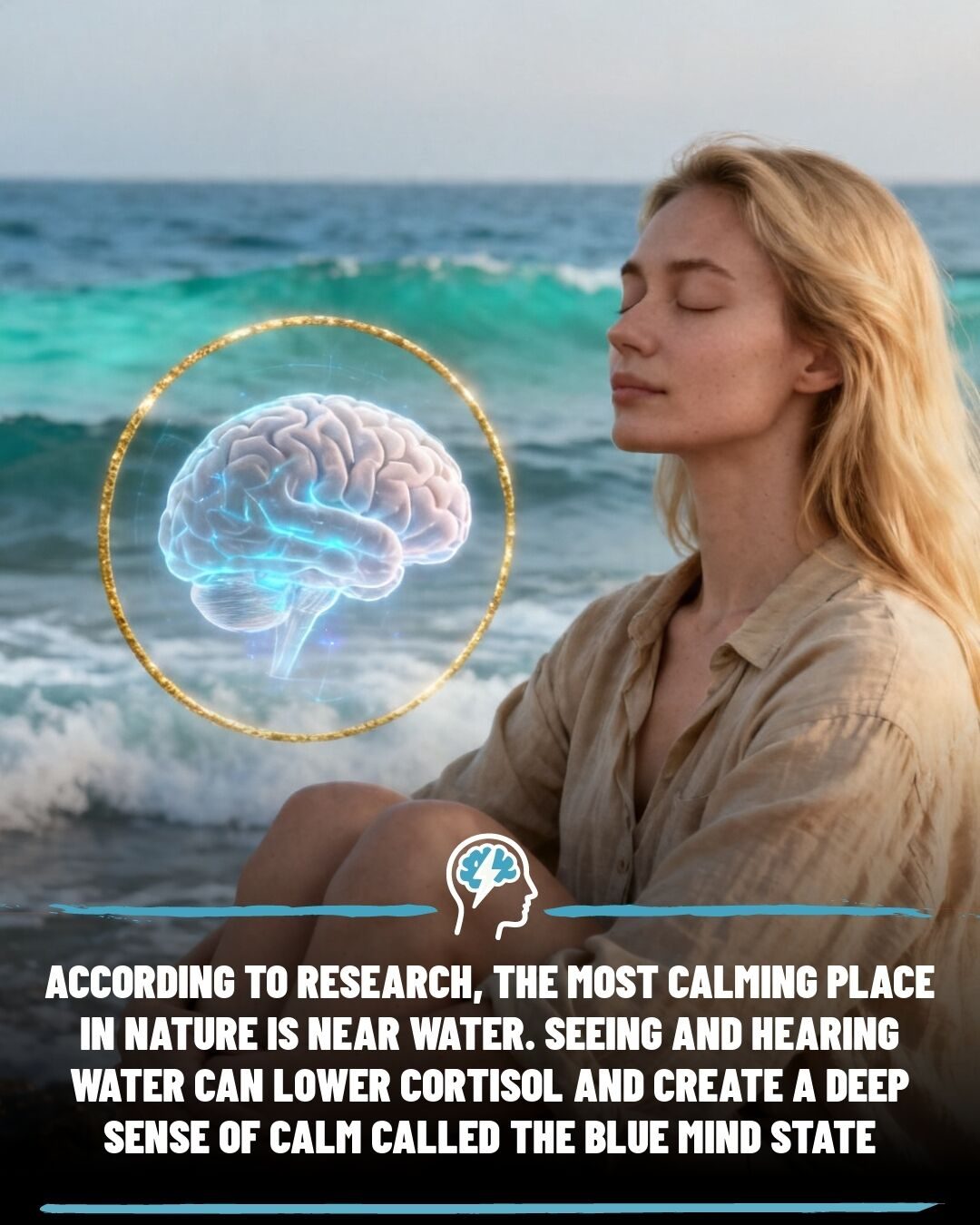
Nature's Calming Effects: The Power of Blue Spaces
Being near the ocean or other bodies of water often evokes a deep sense of calm. This isn't just a subjective feeling; research has shown that blue spaces, such as oceans, rivers, and lakes, have significant effects on mental wellbeing. The sight and sound of water can lower stress levels, reduce anxiety, and promote a state of tranquility known as the "blue mind effect."
Why Blue Spaces Matter
The blue mind effect refers to a state of physical and mental calm that water environments seem to trigger. This effect is backed by scientific research, which has linked regular exposure to water environments with improved mood, reduced anxiety levels, and better overall mental health. Some studies even suggest that people who live near water may experience fewer health problems as they age.
The blue mind effect is more than just a pleasant feeling; it's a scientifically validated response to our environment. The rhythmic sounds of water, the blue hues, and the open horizons work together to quiet racing thoughts and bring you back to the present moment. This combination helps to lower heart rate and blood pressure while increasing feelings of relaxation.
The Blue Mind Effect in Action
Being near water can create a deep sense of calm. This is partly due to the fact that seeing and hearing water can lower cortisol levels, the hormone associated with stress. Cortisol is often referred to as the "stress hormone" because it's released in response to stressful situations. Lowering cortisol levels can help reduce mental fatigue and anxiety, promoting a more peaceful state of mind. This is why many people find solace in activities like fishing, boating, or simply gazing at a body of water.
The blue mind effect is not just about visual stimulation; the sound of flowing water or gentle waves plays a crucial role. These sounds appear to shift the brain into a more peaceful state, helping to reduce mental fatigue and anxiety. The combination of these sensory inputs—the sight of water, the sound of waves, and the open horizon—can create a powerful calming effect.
The Science Behind the Blue Mind Effect
Research suggests that spending time near blue spaces can significantly reduce stress and improve mental wellbeing. Studies have shown that simply gazing at bodies of water may help lower heart rate and blood pressure while increasing feelings of relaxation. This is because the blue hues and rhythmic sounds of water can work together to quiet racing thoughts and bring you back to the present moment.
One study by Coss et al. (2003) found that exposure to natural environments, including water, can have a significant positive impact on mental health. Another study by White et al. (2010) showed that people who live near water may experience fewer health problems as they age. These findings highlight the importance of blue spaces in our overall wellbeing.
Practical Tips
If you have access to blue spaces, whether that's a beach, a river trail, or even a local lake, spending time there may offer real benefits for your mental state. Even if you can't get outside, listening to recorded water sounds or watching ocean videos might help. The key is to create an environment that mimics the calming effects of being near water.
Here are some practical tips to incorporate the blue mind effect into your daily life:
- Visit Natural Water Bodies: Spend time near oceans, rivers, or lakes. Even a short walk by the water can have a calming effect.
- Listen to Water Sounds: If you can't get to a body of water, listening to recordings of flowing water or ocean waves can help.
- Incorporate Blue Elements: Surround yourself with blue elements in your home or office, such as blue decor or blue lighting.
- Practice Mindfulness Near Water: Engage in mindfulness or meditation practices near water to enhance the calming effects.
Important Takeaways
The blue mind effect is a powerful phenomenon that can significantly improve mental wellbeing. By spending time near blue spaces, you can reduce stress, lower anxiety, and promote a state of calm. The combination of rhythmic sounds, blue hues, and open horizons works together to quiet racing thoughts and bring you back to the present moment.
While blue spaces offer significant benefits, it's important to remember that they are one piece of a larger wellness picture. Sitting by the ocean won't replace professional mental health support if you're struggling. Think of blue spaces as a supportive tool, not a cure.
Conclusion
The allure of water is more than just a vacation craving; it's a scientifically validated response to our environment. The blue mind effect offers a simple yet powerful way to improve mental health and wellbeing. By incorporating blue spaces into your life, you can harness the calming effects of water and promote a deeper sense of tranquility. Whether you spend time near a body of water or bring the calming sounds and sights of water into your daily routine, the benefits are clear.
Related deep dives
Similar reads based on topic and creator.




Recent articles
Fresh deep dives from the latest Reels we unpacked.




Comments
Be the first to comment.