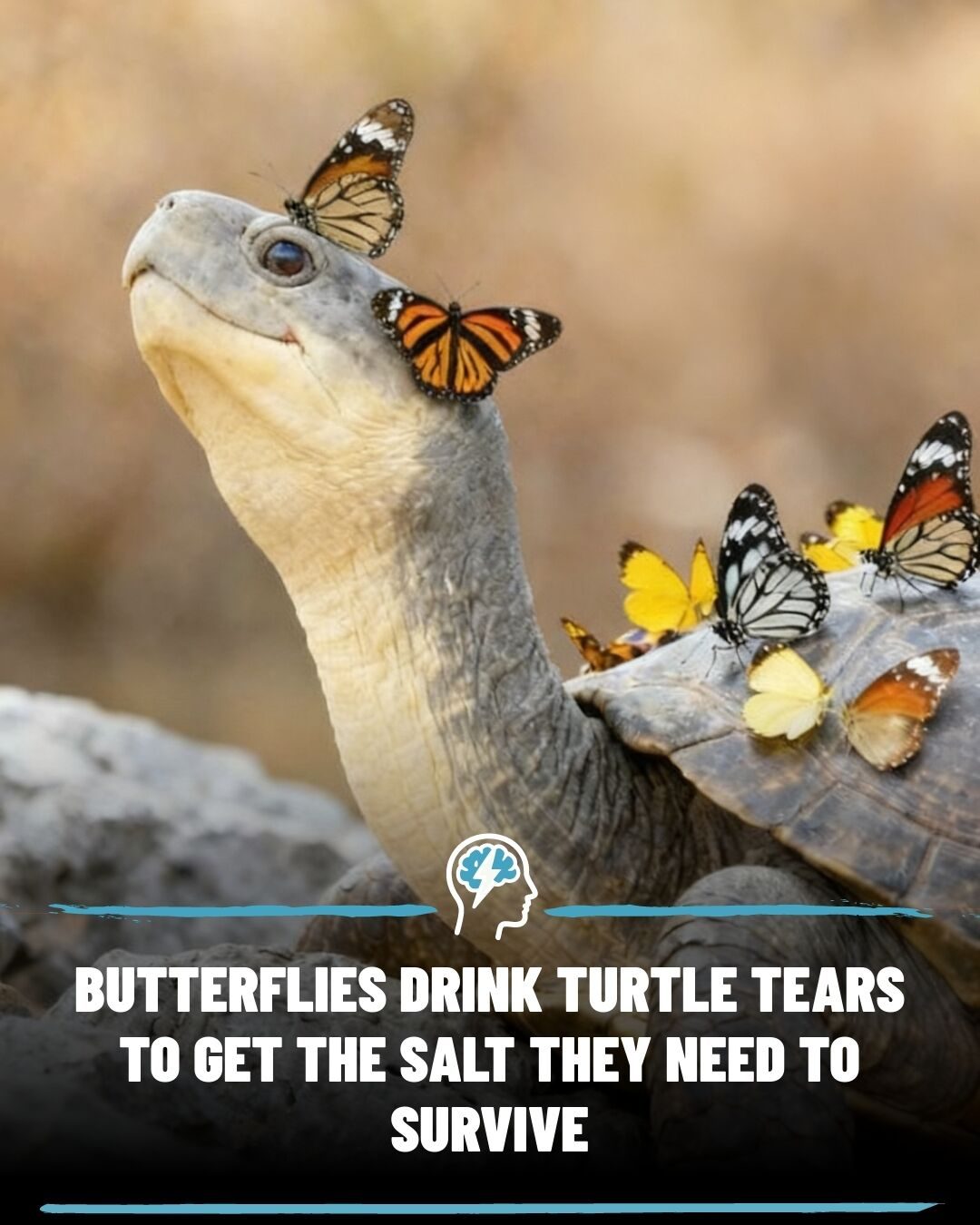
Turtle Tears: A Unique Source of Salt for Butterflies
Butterflies in the Amazon have been observed drinking turtle tears, a behavior known as lachryphagy, which literally translates to "feeding on tears." This phenomenon was documented by entomologist Phil Torres along the Tambopata River in Peru. The sight of butterflies clustering around the eyes of yellow-spotted river turtles is not only visually striking but also highlights a fascinating survival strategy in the Amazon rainforest.
Context / Why this matters
The Amazon rainforest, despite its rich biodiversity, is remarkably low in sodium. This essential mineral is crucial for nerve signaling and muscle movement in butterflies, yet their plant-based diets provide almost no salt. To compensate for this deficiency, butterflies have evolved to seek out unconventional sources of sodium, including turtle tears.
Main discussion
The science behind lachryphagy
Turtles produce saline-rich tears to excrete excess salt from their bodies. For butterflies, these tears serve as a vital source of sodium in an otherwise sodium-poor environment. The tears may also contain amino acids, adding potential nutritional value beyond just salt. Research indicates that the amount of tears consumed by butterflies is minimal, and turtles appear largely unbothered by this behavior. The only potential concern for turtles is temporary vision obstruction, which may slightly increase their vulnerability to predators.
Adaptations in nature
This behavior extends beyond turtle tears. Butterflies have also been documented feeding on sweat, mud, feces, and even crocodile tears. All of these serve as sodium sources in nutrient-scarce ecosystems. These adaptations demonstrate the creative solutions that animals employ to survive in challenging environments.
The complexity of ecological relationships
These relationships are neither purely beneficial nor harmful but represent the complex trade-offs that shape life in extreme environments. The interaction between butterflies and turtles is a prime example of how species co-exist and adapt to their surroundings. It underscores the intricate web of life in the Amazon rainforest, where every creature plays a crucial role in maintaining the ecosystem's balance.
Practical tips
Observing wildlife in its natural habitat can be both inspiring and enlightening. If you're planning a trip to the Amazon or any other wildlife-rich area, consider the following tips:
- Research local species: Familiarize yourself with the unique behaviors and adaptations of local species. This knowledge can enhance your understanding and appreciation of the ecosystem.
- Hire a local guide: Local guides can provide valuable insights and help you spot rare or hard-to-see behaviors, such as lachryphagy.
- Be mindful of your impact: Remember that your presence can affect wildlife. Keep a safe distance and avoid disturbing animals or their habitats.
Important takeaways
The phenomenon of butterflies drinking turtle tears offers several important lessons about nature and survival:
- Adaptability: Nature provides countless examples of adaptability, where species evolve unique strategies to thrive in challenging environments.
- Interdependence: Ecosystems are complex and interconnected. The relationships between species often involve trade-offs and mutual dependencies.
- Observation: Paying close attention to natural behaviors can reveal surprising and enlightening insights into the workings of ecosystems.
Conclusion
The Amazon's butterflies and turtles exemplify the incredible ways in which species have evolved to exploit unique resources for their survival. By understanding these adaptations, we can gain a deeper appreciation for the intricate web of life in nature. The Amazon rainforest, with its abundance of life and diverse ecosystems, continues to offer countless lessons about survival and adaptation. Whether it's through observing butterflies drinking turtle tears or other fascinating behaviors, the natural world never fails to amaze with its creative solutions to environmental challenges.
Questions readers ask
Why do butterflies in the Amazon drink turtle tears?
Butterflies in the Amazon drink turtle tears as a means to obtain essential salts. The rainforest's environment is low in sodium, which is crucial for butterflies' nerve function and muscle movement, and their plant-based diets lack sufficient salt.
What is lachryphagy and which species exhibit this behavior?
Lachryphagy, which literally means 'feeding on tears,' is the behavior of butterflies drinking turtle tears. This unique adaptation is observed in Amazon rainforest butterflies, particularly around yellow-spotted river turtles.
How do butterflies benefit from drinking turtle tears?
By drinking turtle tears, butterflies acquire necessary salts that are scarce in their natural diet. This helps them maintain proper bodily functions, such as nerve signaling and muscle movement, which are vital for their survival.
Where was the behavior of butterflies drinking turtle tears first documented?
The behavior of butterflies drinking turtle tears was first documented by entomologist Phil Torres along the Tambopata River in Peru. This observation shed light on an unusual survival strategy in the Amazon rainforest.
What makes the Amazon rainforest a challenging environment for butterflies in terms of salt intake?
The Amazon rainforest is notably low in sodium, making it difficult for butterflies to get the salt they need from their plant-based diets. This forces them to seek out alternative sources, such as turtle tears, to meet their salt requirements.
What adaptations do Amazon rainforest butterflies have to deal with low sodium levels?
One notable adaptation is lachryphagy, where butterflies drink the tears of turtles to supplement their salt intake. This behavior is a direct response to the challenges posed by the Amazon's sodium-poor environment.
Why is salt so important for butterflies?
Salt, particularly sodium, is crucial for butterflies as it plays a key role in nerve signaling and muscle movement. Without adequate salt intake, butterflies would struggle with basic bodily functions, impacting their overall health and survival.
Related deep dives
Similar reads based on topic and creator.




Recent articles
Fresh deep dives from the latest Reels we unpacked.




Comments
Be the first to comment.