Vanilla Farming
Vanilla, a staple in many kitchens, is the second most expensive spice globally. The price tag on vanilla is not merely about market demand, but the intricate and labor-intensive process behind cultivating this fragrant crop.
Context / Why This Matters
To truly appreciate the value of vanilla, it's essential to understand the unique challenges and meticulous processes involved in its production. Most vanilla comes from the Vanilla planifolia vine, which thrives in specific tropical climates and requires constant care. The intricate nature of vanilla cultivation significantly impacts its market value and availability. This deep dive will explore the meticulous steps of vanilla farming, from pollination to the curing process, and highlight the economic and environmental factors that make this spice so valuable.
Main Discussion
The Vanilla Plant and Its Needs
The Vanilla planifolia vine is the primary source of commercial vanilla. This plant requires a tropical climate with specific temperature, humidity, and soil conditions. Most vanilla is grown in regions like Madagascar, Indonesia, and Mexico, where the climate is ideal. The plant itself needs constant attention, from pruning to maintenance, as it grows on trellises or other supports.
Pollination: A Race Against Time
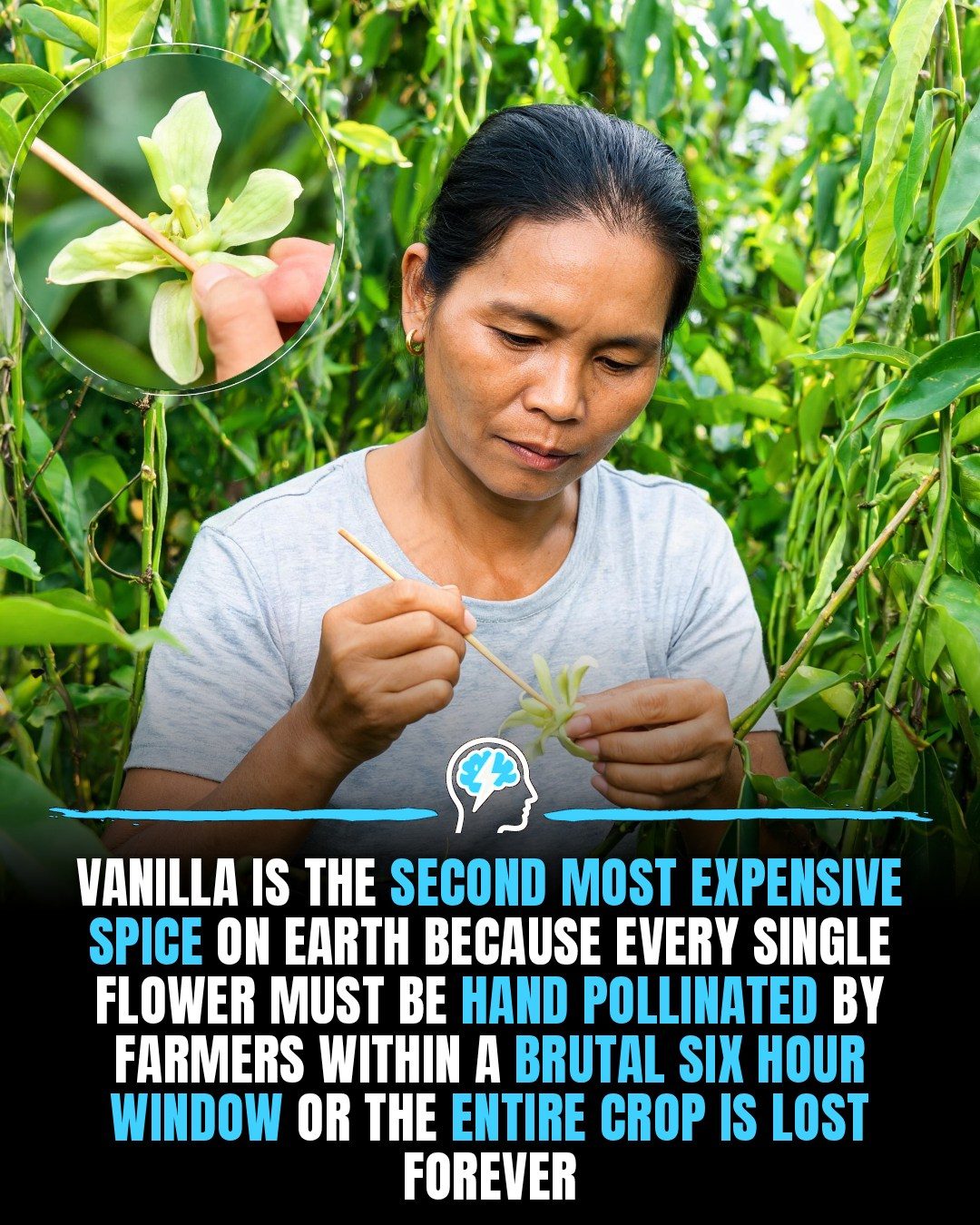
One of the most critical steps in vanilla farming is pollination. Each vanilla orchid flower opens for only one day, typically during a six-hour window in the morning. Missing this window means the flower wilts and no bean grows from that bloom for the entire year. Natural pollinators are rare in most growing regions, so farmers must hand-pollinate every single flower.
Pollination is a delicate process. Farmers use a small wooden needle or a sliver of bamboo to carefully lift the rostellum, a tiny membrane inside the flower, and press the pollen against the stigma to fertilize it. This technique, still the global standard, requires precision and skill. A skilled worker can pollinate hundreds of flowers in a single morning, but the physical toll is significant. The race against time and the exacting nature of this task contribute greatly to the high cost of vanilla.
Curing the Vanilla Beans
After pollination, it takes about nine months for a green pod to mature. Once harvested, the curing process begins. The pods are first blanched in hot water to stop growth and then "sweated" in insulated boxes to trigger enzymatic reactions that develop the vanilla flavor. Finally, the beans are sun-dried and aged, a process that can take several months, to concentrate the vanillin, the compound that gives vanilla its characteristic aroma and flavor.
Economic and Environmental Challenges
The economic impacts of vanilla farming are profound. Heavy manual labor and a long production cycle make this market volatile. Cyclones and other natural disasters can wipe out entire plantations, and theft is common due to the high value of the crop. The extreme labor requirements and the precision needed for each step ensure that vanilla cannot be mechanized, keeping it a luxury ingredient.
Practical Tips
If you're considering growing vanilla or want to appreciate it more, here are some practical tips:
For Growing Vanilla
- Climate Control: Ensure that the environment mimics tropical conditions. This includes maintaining the right temperature and humidity levels.
- Pollination Technique: Master the hand-pollination technique. Practice makes perfect, and precision is key.
- Curing Process: Follow the traditional curing steps meticulously. The long curing process is essential for developing the full vanilla flavor.
For Consumers
- Quality Check: Look for genuine vanilla beans or extract. The flavor and aroma should be rich and complex.
- Storage: Store vanilla beans in an airtight container in a cool, dark place to preserve their flavor.
- Use in Recipes: Vanilla is versatile. Experiment with it in both sweet and savory dishes to enhance their flavors.
Important Takeaways
Vanilla farming is a labor of love that requires constant attention, precision, and a deep understanding of the plant's needs. The high cost of vanilla reflects the intricate and time-consuming processes involved in its cultivation. From hand-pollination to the long curing process, every step plays a crucial role in producing the fragrant and flavorful spice we enjoy.
Conclusion
Understanding the complexities of vanilla farming deepens our appreciation for this luxurious spice. The next time you use vanilla in a recipe, remember the skilled farmers who hand-pollinate each flower and the meticulous process that brings this aromatic spice to your kitchen. This journey from orchid flower to culinary delight is a testament to the craftsmanship and dedication of vanilla farmers around the world.
Questions readers ask
Why is vanilla the second most expensive spice in the world?
Vanilla's high price is due to its intricate cultivation process. It requires specific tropical climates, constant care, and meticulous hand-pollination of flowers that only bloom for a short period. The labor-intensive process from cultivation to curing makes vanilla a luxurious ingredient.
What makes the cultivation of vanilla so demanding?
Vanilla cultivation is demanding due to the delicate nature of the *Vanilla planifolia* vine and its specific climate requirements. Each flower must be hand-pollinated within a few hours of opening, and the curing process involves several intricate steps. These factors contribute to the high labor requirements and market price of vanilla.
How does the hand-pollination process impact vanilla's price?
Hand-pollination is a critical and labor-intensive step in vanilla production. Each flower must be individually pollinated within a short window, typically by hand. This precise and time-consuming process significantly increases the labor costs, which directly affects the overall price of vanilla.
What is involved in the curing process of vanilla and why is it necessary?
The curing process of vanilla involves several steps, including killing, sweating, drying, and conditioning the beans. This process helps to develop the characteristic flavor and aroma of vanilla. It is a meticulous and time-consuming process that adds to the overall cost of vanilla production.
Are there any alternatives to hand-pollination in vanilla farming?
While there have been attempts to develop mechanical pollination methods, they have not been widely successful. The delicate nature of the vanilla flower and the precise timing required for pollination make hand-pollination the most effective method. This reliance on manual labor contributes to the high price of vanilla.
Why does vanilla require so much labor compared to other crops?
Vanilla requires extensive labor due to its specific climate needs, the delicate nature of its flowers, and the intricate steps involved in cultivation and curing. Each stage, from planting to harvest, requires careful attention and manual labor, making it a more labor-intensive crop compared to others.
Related deep dives
Similar reads based on topic and creator.



Recent articles
Fresh deep dives from the latest Reels we unpacked.




Comments
Be the first to comment.