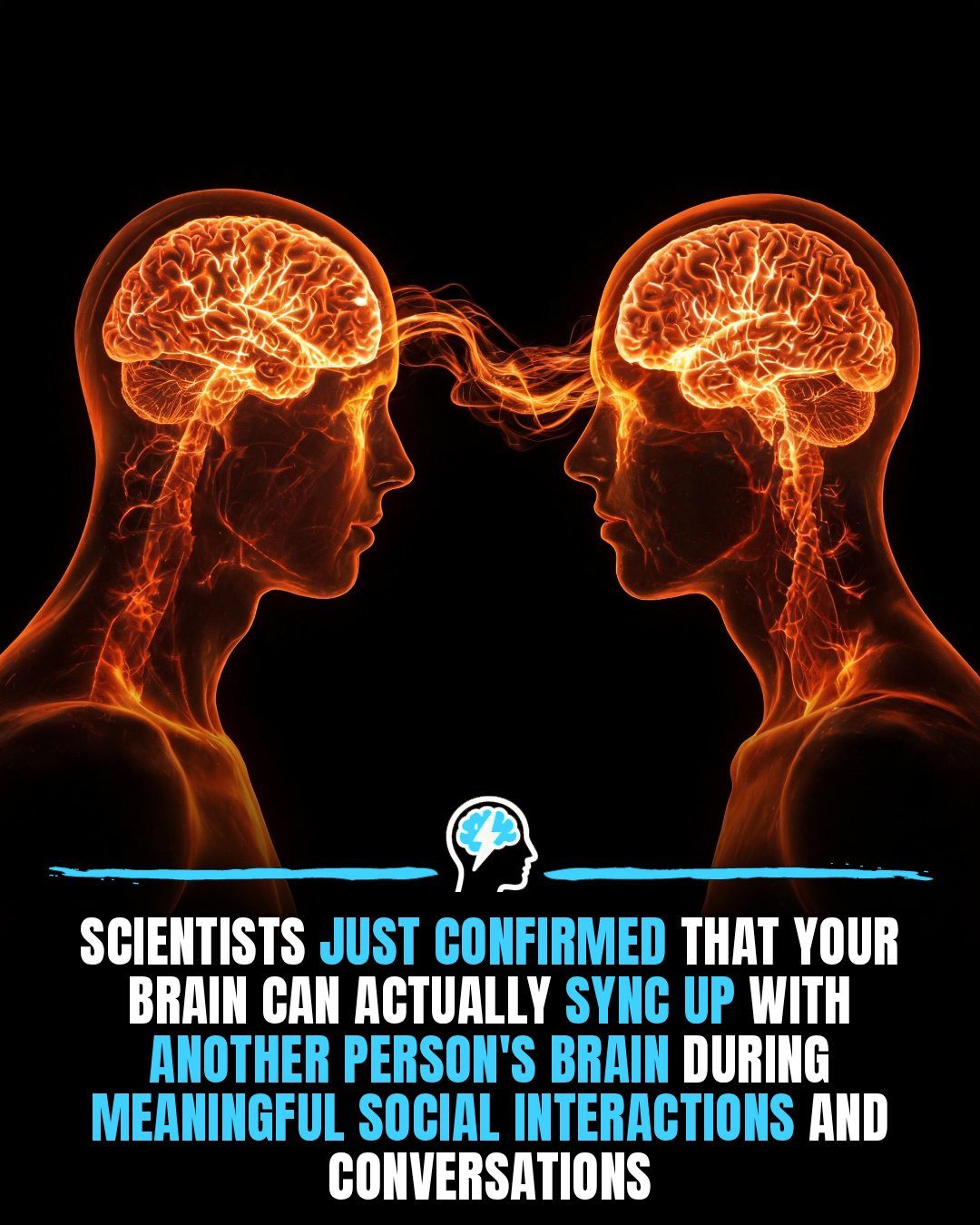
Brain Synchronization: The Neuroscience Behind Human Connection
A concept that seems plucked from the pages of a science fiction novel, brain synchronization is, in fact, a well-documented phenomenon in the field of neuroscience. Known scientifically as neural coupling or interpersonal synchrony, this process occurs when the brain waves of two people begin to move in tandem during meaningful social interactions.
Context / Why This Matters
The implications of brain synchronization extend far beyond mere scientific curiosity. This phenomenon plays a crucial role in our daily lives, influencing how we communicate, empathize, and understand one another. Understanding brain synchrony could lead to better treatments for social and mental health conditions and even enhance teamwork and collaboration in various settings.
How Brain Synchronization Occurs
The Science Behind the Sync
Brain synchronization, or neural coupling, takes place when the brain waves of two individuals align. This process is not merely about mimicking each other's actions; it involves a deeper, neurological connection. Researchers have found that this synchronization starts in the sensory cortex, where people perceive the same sights and sounds. From there, it spreads to the regions of the brain responsible for processing meaning and intention.
Factors Influencing Synchronization
Several factors can influence how quickly and deeply two brains sync up. People with close relationships or similar backgrounds tend to synchronize faster and more profoundly. This could explain why conversations with close friends or family members often feel effortless and deeply meaningful.
Eye contact and physical closeness are two of the fastest ways to spark neural harmony. These factors can significantly enhance the synchronization process, making communication more fluid and empathetic.
Conversely, distractions and emotional distance can hinder brain synchronization. In environments where these factors are prevalent, achieving a synchronized state becomes more challenging, leading to less effective communication and understanding.
Measuring Brain Synchronization
To study this phenomenon, researchers record brain activity from multiple people simultaneously. By monitoring their brain waves, scientists can observe the synchronization process in real-time. This method provides valuable insights into how and why brain synchronization occurs and its impact on human interactions.
Practical Implications
The practical applications of brain synchronization are vast. In educational settings, students whose brain waves match their teacher's tend to grasp the material more effectively. This suggests that synchronization could play a role in enhancing learning outcomes and overall academic performance.
In social and mental health contexts, understanding brain synchronization could lead to more targeted and effective treatments. By harnessing the power of synchronized brain waves, therapists and counselors could develop interventions that foster deeper empathy, understanding, and connection.
Practical Tips for Enhancing Brain Synchronization
Cultivate Meaningful Interactions
Engage in conversations that go beyond small talk. Deep, meaningful discussions are more likely to trigger brain synchronization, fostering a deeper sense of connection and understanding.
Foster Close Relationships
Spend time with people you have a close bond with. Whether it's family, friends, or romantic partners, these relationships can enhance the likelihood of brain synchronization, leading to more empathetic and fulfilling interactions.
Practice Mindfulness
Be present in your conversations and social interactions. Mindfulness can help you stay focused and engaged, making it easier for your brain to synchronize with others.
Minimize Distractions
Create an environment conducive to deep, undisturbed conversations. Turn off notifications, find a quiet space, and give the interaction your full attention. This will help both you and the other person achieve a state of neural harmony.
Use Non-Verbal Cues
Non-verbal cues such as eye contact, facial expressions, and body language can significantly enhance brain synchronization. Pay attention to these elements and use them to your advantage during social interactions.
Promote Physical Closeness
When appropriate, being physically close to someone can accelerate the synchronization process. This doesn't mean invading personal space; rather, it's about finding a comfortable proximity that fosters connection.
Important Takeaways
Brain synchronization is a real, measurable phenomenon with profound implications for how we communicate and connect with others. Understanding and harnessing this process can lead to more empathetic, meaningful interactions, better learning outcomes, and potentially improved treatments for social and mental health conditions.
Conclusion
The concept of brain synchronization offers a fascinating glimpse into the intricate workings of the human mind and the depths of our social connections. By appreciating and leveraging this phenomenon, we can cultivate deeper, more fulfilling relationships and enhance our overall well-being. The next time you feel an instant connection with someone, remember that it's not just a fleeting emotion—it's a biological reality grounded in the science of neuroscience.
Questions readers ask
What exactly is brain synchronization and how does it occur?
Brain synchronization, or neural coupling, happens when the brain waves of two people align during meaningful interactions. This process is a real phenomenon studied in neuroscience research, where the neural synchrony between individuals enhances communication and understanding.
How does brain-to-brain communication benefit our daily lives?
Brain-to-brain communication, facilitated by brain synchronization, significantly improves our daily lives by enhancing empathy, understanding, and communication. It enables us to connect more deeply with others, fostering better relationships and social dynamics.
Can brain synchronization be used to improve mental health treatments?
Yes, brain synchronization holds promise for improving mental health treatments. By understanding how brain waves align during meaningful interactions, researchers can develop targeted therapies to enhance social and emotional well-being.
Are there any practical applications of brain synchronization beyond mental health?
Beyond mental health, brain synchronization can enhance teamwork and collaboration. When team members' brain waves are in sync, it can improve collective focus, creativity, and overall productivity.
What kind of interactions typically lead to brain synchronization?
Meaningful interactions, such as engaging conversations, shared experiences, or cooperative activities, are more likely to induce brain synchronization. These interactions encourage neural coupling, fostering a deeper connection between individuals.
Is brain synchronization a conscious process or does it happen automatically?
Brain synchronization typically occurs automatically during meaningful interactions. It is not a conscious process, but rather a natural response of the brain to social cues and shared experiences.
Related deep dives
Similar reads based on topic and creator.



Recent articles
Fresh deep dives from the latest Reels we unpacked.




Comments
Be the first to comment.