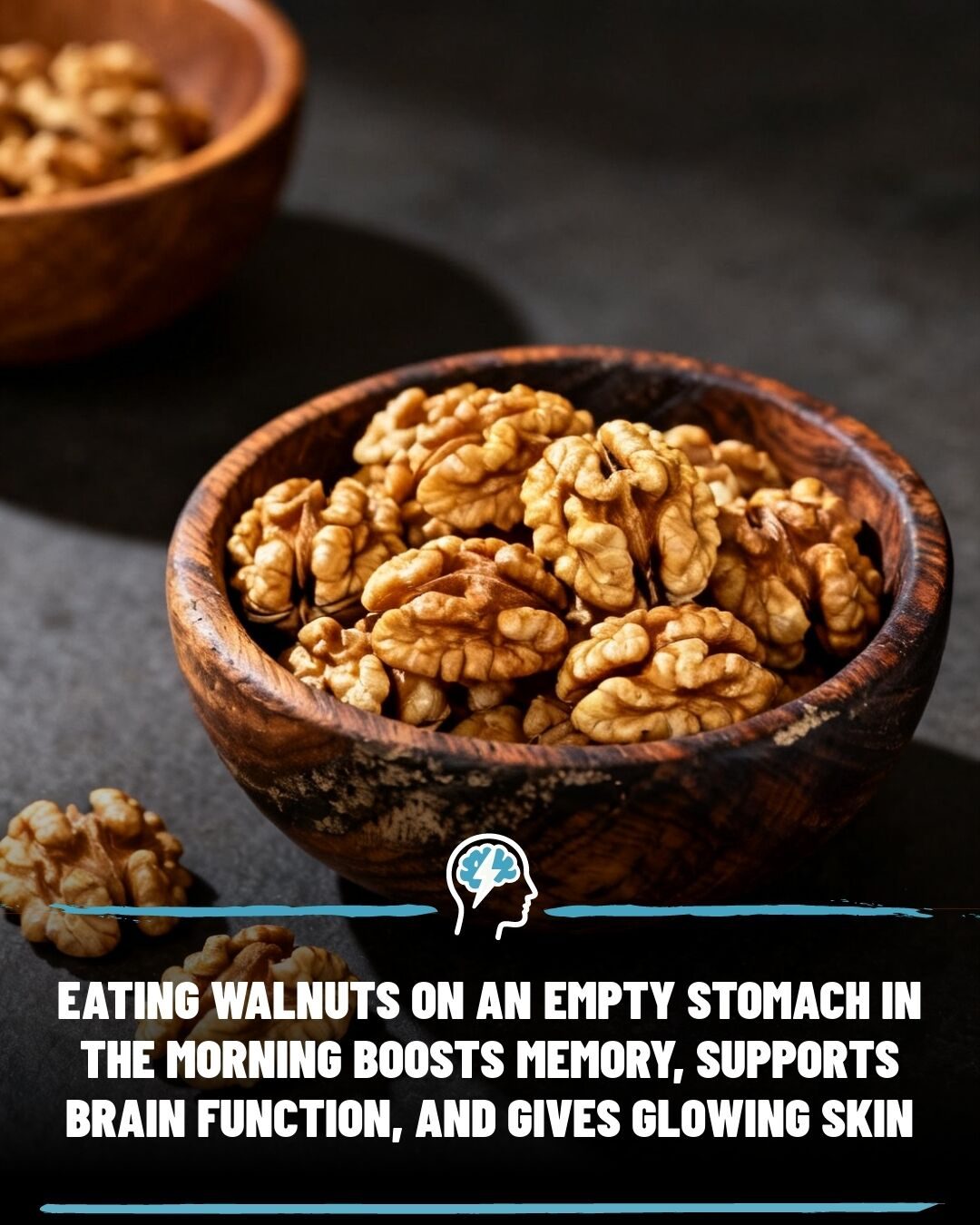
Walnuts: A Powerhouse for Cognition and Skincare
Since ancient times, walnuts have been hailed for their nutritional benefits. But recent research shows that these tree nuts have a much more significant role to play in our daily routine than we ever thought. We all know that walnuts are packed with essential nutrients, but beyond the obvious, they offer remarkable benefits to both your brain and skin.
Why Walnuts Matter
Walnuts are a versatile addition to any diet. They can be consumed as a snack, added to salads, or blended into smoothies. Their rich, crunchy texture and mild flavor make them a favorite among health enthusiasts. But beyond their taste, these nuts are a significant contributor to cognitive health. They are a rich source of essential nutrients that support various physiological functions, including brain function and skin health.
Understanding Walnut Benefits
Nutritional Powerhouse
The unique nutritional profile of walnuts sets them apart from other nuts. High in alpha-linolenic acid (ALA), a plant-based omega-3 fatty acid, walnuts are also rich in vitamin E, flavonoids, melatonin, and other polyphenols. These compounds work synergistically to help reduce oxidative stress and neuroinflammation, which are major factors in cognitive decline.
Brain Health
The benefits of walnuts for brain health are well-documented by research. A clinical trial involving older adults found that those who followed a Mediterranean diet supplemented with about 30 grams of mixed nuts, including walnuts, daily, showed improved memory. Another comprehensive study found that older women who consumed five or more servings of nuts per week performed cognitively as if they were two years younger than those who did not eat nuts.
The mechanism behind this cognitive boost is thought to be related to the antioxidant and anti-inflammatory properties of walnuts. Chronic inflammation and oxidative damage can harm brain cells. Walnut compounds help counteract these processes, promoting healthier brain aging.
Skin Health
In addition to brain benefits, walnuts also support skin health. Regular consumption of walnuts can lead to healthier, glowing skin. The vitamin E and antioxidants in walnuts help protect the skin from damage caused by free radicals. These nutrients also support the skin's natural barrier, keeping it hydrated and resilient.
Walnut Tips for Maximum Benefits
Consumption Tips
To maximize the benefits of walnuts, consider incorporating them into your daily routine. Here are a few practical tips:
- Start Your Day Right: Eating a small handful of walnuts, roughly 30 grams, on an empty stomach in the morning can help boost memory and support overall brain function. These benefits are attributed to the nutrients in walnuts, which are better absorbed when consumed on an empty stomach.
- Mixed Nut Trail Mix: Combine walnuts with other nuts, dried fruits, and seeds to create a mixed nut trail mix. This snack is portable and perfect for on-the-go snacking, ensuring you get a balanced mix of nutrients.
- Add to Meals: Incorporate walnuts into your meals by adding them to salads, oatmeal, or yogurt. You can also blend them into smoothies for an extra nutritional boost.
Preparation Tips
- Raw vs. Roasted: Both raw and roasted walnuts offer similar benefits, but raw walnuts retain more of their natural oils and nutrients. Roasted walnuts can be a convenient option, but be mindful of added salts and oils.
- Storage: Store walnuts in an airtight container in the refrigerator to maintain their freshness and prevent rancidity. Proper storage helps preserve the essential nutrients and fatty acids in walnuts.
Important Takeaways
Regular consumption of walnuts can benefit both cognitive and skin health. Walnuts contain alpha-linolenic acid, vitamin E, flavonoids, melatonin, and other polyphenols, which help reduce oxidative stress and neuroinflammation. This makes them an excellent addition to a balanced diet. They are also a rich source of essential nutrients that support various physiological functions, including brain function and skin health.
A few key points to remember:
- Regular walnut consumption can support cognitive function and help protect against age-related mental decline.
- Walnuts are rich in essential nutrients that support skin health and promote a glowing complexion.
- Incorporate walnuts into your daily routine for long-term benefits on your health.
Conclusion
The benefits of consuming walnuts are backed by scientific research and supported by longstanding health wisdom. Adding a small handful of walnuts to your daily diet can make a meaningful difference in your cognitive and skin health. By incorporating these nuts into your meals or snacks, you can enjoy their rich flavor and reap their numerous health benefits. Think of walnuts as a versatile tool in your wellness kit, contributing to a healthier, happier you.
Questions readers ask
How do walnuts support brain health?
Walnuts are rich in omega-3 fatty acids and antioxidants, which are essential for maintaining brain health. These nutrients help reduce inflammation and oxidative stress, supporting cognitive function and potentially slowing down age-related cognitive decline.
What are the key nutrients in walnuts that benefit the brain?
Walnuts are packed with essential nutrients like omega-3 fatty acids, vitamin E, and polyphenols. These nutrients support brain health by enhancing neurotransmitter function, reducing inflammation, and protecting brain cells from damage.
Can walnuts improve skin health?
Yes, walnuts contain antioxidants like vitamin E and selenium, which help protect the skin from damage caused by free radicals. Regular consumption of walnuts can improve skin elasticity, reduce signs of aging, and promote overall skin health.
How many walnuts should be consumed daily for optimal benefits?
For optimal benefits, a daily intake of about 30 grams (or a small handful) of walnuts is recommended. This portion size provides a good balance of nutrients without adding excessive calories to your diet.
What makes walnuts a good snack for cognitive function?
Walnuts are an excellent snack for cognitive function due to their high content of antioxidants and omega-3 fatty acids. These nutrients support brain health by improving memory, enhancing mental clarity, and reducing the risk of cognitive decline.
How do walnuts help in maintaining mental clarity?
The omega-3 fatty acids and antioxidants in walnuts help maintain mental clarity by reducing inflammation and protecting brain cells. Regular consumption can improve focus, concentration, and overall cognitive performance.
Can walnuts be included in various diets for brain and skin support?
Absolutely! Walnuts are incredibly versatile and can be easily incorporated into various diets. They can be eaten as a snack, added to salads, or blended into smoothies. This makes it convenient to include them in your daily routine for both brain and skin support.
Related deep dives
Similar reads based on topic and creator.



Recent articles
Fresh deep dives from the latest Reels we unpacked.




Comments
Be the first to comment.