Bone Health and Fitness
Bone health is a critical aspect of overall well-being, and it's never too early or too late to start taking care of it. Bone strength is built early in life and maintained through mechanical stress, making resistance training and proper nutrition essential for longevity. Understanding how bones adapt to stress and the role of hormones in bone health can help you make informed decisions about your fitness routine.
Why Bone Health Matters
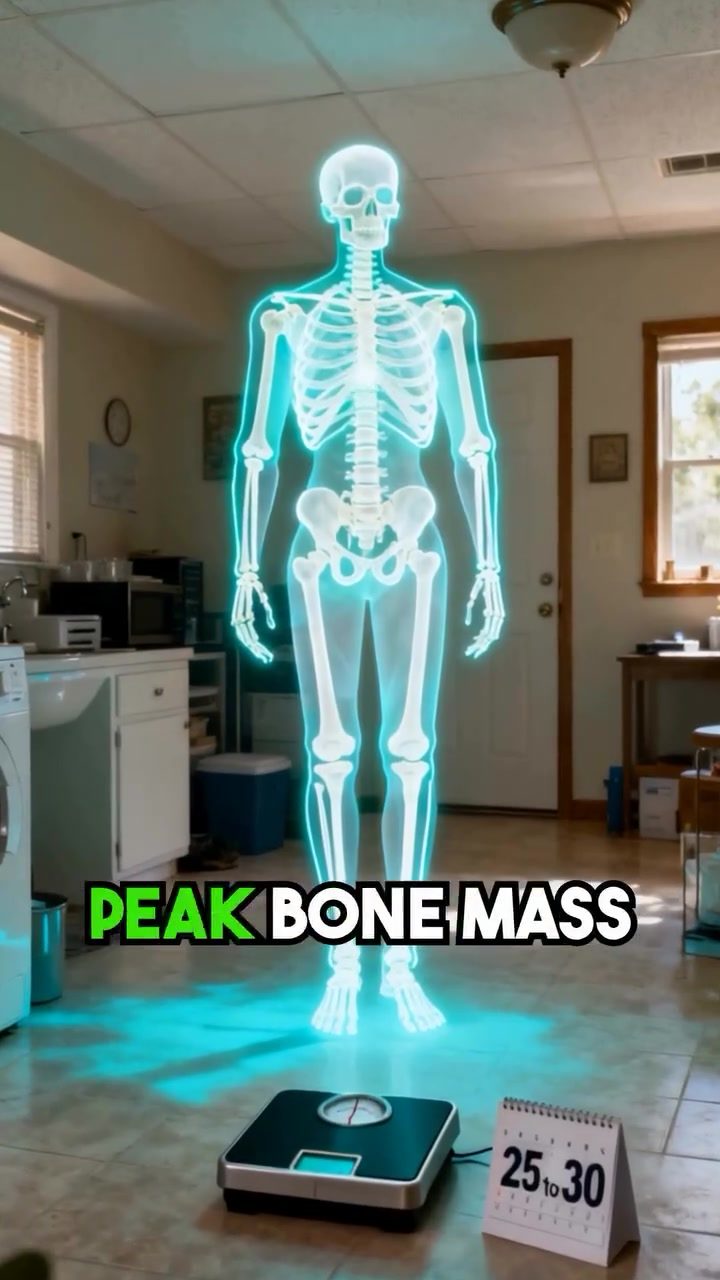
Bone health is crucial for mobility, independence, and overall quality of life. Bones provide structural support, protect organs, and store minerals. Peak bone mass, the maximum amount of bone mineral content in the skeleton, is typically reached between the ages of 25 and 30. After this point, bone density can start to decline slowly, especially if not maintained through proper exercise and nutrition.
The importance of bone health becomes even more apparent with aging. Hormonal changes, such as those experienced during menopause, can accelerate the loss of bone mineral density. This is where resistance training and a balanced diet come into play. Strength training, specifically, sends a message to the bones to stay strong by activating bone-forming cells through mechanical stress.
Building and Maintaining Bone Strength
The Role of Resistance Training
Resistance training is one of the most effective ways to build and maintain bone strength. When muscles pull against bones, it creates a mechanical stress that stimulates bone-forming cells, helping to preserve bone density. Various forms of resistance training, including free weights, machines, squats, lunges, jumping, and running, can all contribute to stronger bones.
The key is to give your skeleton a reason to adapt. Regular resistance training, ideally two to three times a week, provides the body with a physical reason to hold on to its structure. This is not just about aesthetics; stronger bones mean fewer fractures and more mobility and independence later in life.
The Impact of Hormones
Hormones play a significant role in bone health, particularly as we age. Estrogen and testosterone are critical for bone maintenance. As these hormones shift, such as during menopause, bone breakdown can outpace rebuilding. This is why strength training becomes even more important as we age—it gives the body a physical reason to maintain its structure and mineral density.
Cardio alone is not enough to protect your bones. While cardiovascular exercise is essential for overall health, it does not provide the same mechanical stress that strength training does. Therefore, incorporating both types of exercise into your routine is ideal for comprehensive bone health.
Important Types of Resistance Training
Free Weights
Free weights, such as dumbbells and barbells, are versatile and effective for building muscle and strengthening bones. They allow for a full range of motion and can be adjusted to suit your strength levels. Exercises like bicep curls, shoulder presses, and squats can all be performed with free weights.
Machines
Weight machines are a great option for those new to resistance training. They provide a controlled range of motion and are easy to use, making them ideal for beginners. Machines like the leg press, chest press, and lat pulldowns can help build muscle and strengthen bones.
Bodyweight Exercises
Bodyweight exercises, such as squats, lunges, and push-ups, are convenient and effective. They can be done anywhere and require no special equipment. These exercises are excellent for building functional strength and maintaining bone health.
Plyometric Exercises
Plyometric exercises, like jumping and running, involve explosive movements that put a high impact on the bones. These exercises can be particularly effective for improving bone density and strength. However, it's essential to ease into plyometric training to avoid injury.
Practical Tips for Including Resistance Training in Your Lifestyle
Start Slowly
If you're new to resistance training, start with a lower weight or resistance and gradually increase as you get stronger. This approach helps prevent injury and allows your muscles and bones to adapt over time.
Consistency is Key
Regular resistance training is essential for maintaining bone health. Aim for at least two to three sessions per week, focusing on different muscle groups to ensure a balanced workout.
Incorporate Variety
Mix up your resistance training routines to keep your workouts interesting and challenging. This can include different types of exercises, varying weights, and different equipment.
Proper Nutrition
Proper nutrition plays a crucial role in bone health. Ensure you're getting enough calcium and vitamin D, which are essential for bone strength. Foods rich in these nutrients include dairy products, leafy greens, and fortified foods.
Important Takeaways
Bone health is not something to overlook. Building and maintaining strong bones through resistance training is essential for longevity, mobility, and independence. Understanding the role of hormones and the importance of mechanical stress can help you make informed decisions about your fitness routine. Incorporating both cardio and resistance training, along with a balanced diet, can contribute to overall bone health and a better quality of life as you age.
Conclusion
Bone strength is built early in life and maintained through consistent physical activity and proper nutrition. Resistance training, with its ability to create mechanical stress, is a powerful tool for preserving bone density and strength. Incorporating various forms of resistance training, maintaining a balanced diet, and understanding the role of hormones can all contribute to better bone health.
Questions readers ask
What types of exercises are best for improving bone density?
Resistance training exercises, such as weightlifting and bodyweight exercises, are highly effective for improving bone density. These activities stimulate bone-forming cells, which can help strengthen bones and counteract the natural decline in bone density that occurs with age.
How does resistance training benefit bone health?
Resistance training benefits bone health by applying mechanical stress to the bones, which prompts them to adapt and grow stronger. This type of training helps to build and maintain bone mineral density, reducing the risk of fractures and osteoporosis.
Can resistance training help regain lost bone density?
Yes, resistance training can help to regain lost bone density, even in older adults. By engaging in regular strength training, individuals can stimulate bone formation and slow down or even reverse bone loss, contributing to better overall bone health.
What role do hormones play in bone health?
Hormones play a significant role in bone health. For instance, estrogen in women and testosterone in men help to regulate bone metabolism. Understanding how these hormones influence bone density can help individuals make informed decisions about their fitness and nutrition routines to support bone health.
What is peak bone mass and why is it important?
Peak bone mass refers to the maximum amount of bone mineral content in the skeleton, typically reached between the ages of 25 and 30. Achieving a high peak bone mass is important because it provides a larger reserve from which to draw if bone loss occurs later in life, helping to maintain bone strength and reduce the risk of fractures.
Recent articles
Fresh deep dives from the latest Reels we unpacked.




Comments
Be the first to comment.